
As an Amazon Associate I earn from qualifying purchases.
Ever wonder what’s actually inside that bag of kibble you pour into your dog’s bowl every day?
The main ingredients in dog food include protein sources like chicken or beef, carbohydrates such as rice or sweet potatoes, healthy fats, and essential vitamins and minerals that work together to keep your pup healthy and energetic.
But here’s what most pet parents don’t realize—not all dog food ingredients are created equal. Some might even surprise you.
I’ve spent years helping dog owners decode those confusing ingredient lists. Let me tell you, there’s way more to it than meets the eye.
From mysterious-sounding preservatives to controversial by-products, the essential nutrients dogs need go far beyond just meat and grain.
You’re about to discover which ingredients truly matter for your dog’s health. And which ones are just marketing fluff.
We’ll break down everything from reading those tricky labels to spotting red flags that could signal low-quality food.
Plus, I’ll share the insider secrets that’ll help you pick the perfect food for your furry friend—whether they’re a picky eater, have allergies, or just deserve the best nutrition possible.
Key Takeaways
- Dog food contains essential proteins, carbohydrates, fats, vitamins and minerals that support your dog’s overall health and energy levels
- Reading ingredient labels helps you identify quality nutrition versus fillers and potentially harmful additives
- Choosing the right food depends on your dog’s age, size, health needs and any specific dietary sensitivities they may have
What’s Really Inside Dog Food?
Ever wondered what you’re actually pouring into your dog’s bowl each morning?
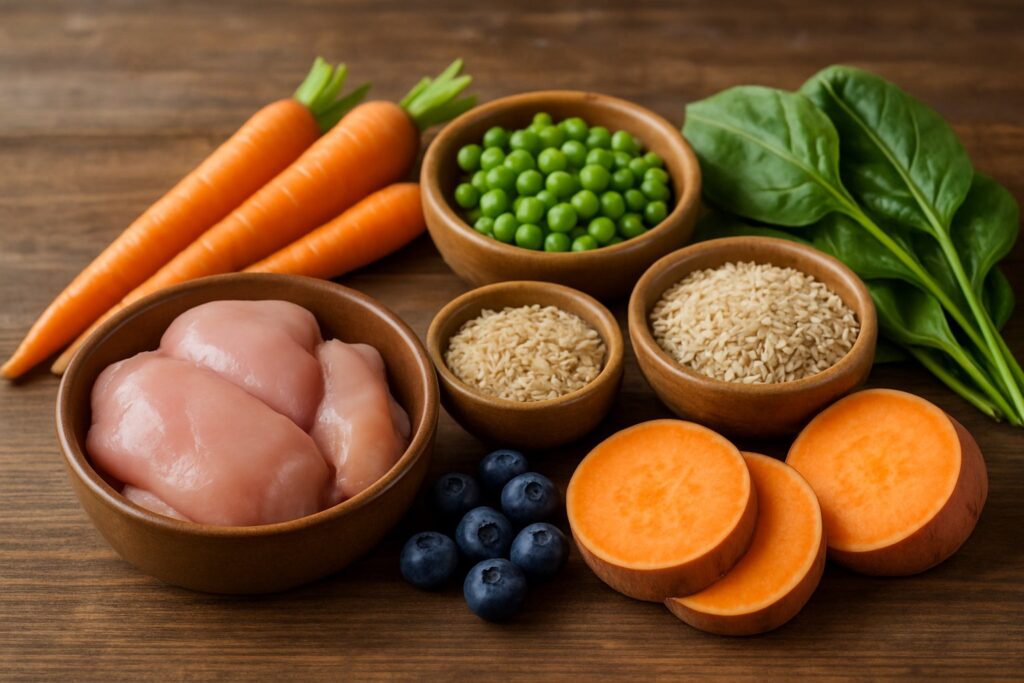
Most dog food ingredients fall into three main categories: animal proteins that fuel muscle growth, whole grains and carbohydrates for energy, and healthy fats that keep coats shiny and brains sharp.
Animal Proteins: The Building Block
Let me be real with you—protein is the most important ingredient in your dog’s food.
It should always be the first item listed on any quality dog food label.
When I look at animal-based proteins in dog food, I see several types that make a real difference.
Whole meats like chicken, beef, lamb, and fish provide complete amino acid profiles your dog needs.
Here’s what you’ll find:
- Fresh meat: Chicken, beef, lamb, or fish muscle tissue
- Chicken meal or fish meal: Concentrated protein after water removal
- Eggs: Highly digestible protein with riboflavin and selenium
- Organ meats: Nutrient-rich liver and kidneys
Chicken meal might sound less appealing than fresh chicken, but it’s actually more protein-dense.
The rendering process removes water, leaving behind concentrated nutrition.
Your dog needs ten essential amino acids they can’t make themselves. Think of these as building blocks for muscles, organs, and immune function.
Animal proteins deliver all ten, while plant proteins often fall short.
I always recommend looking for named protein sources on labels. “Chicken” beats “poultry” every time.
“Beef fat” trumps “animal fat.” You deserve to know exactly what you’re feeding your best friend.
Whole Grains and Carbohydrates
Here’s something that might surprise you—dogs don’t actually need carbohydrates to survive.
But quality carbohydrates in dog food provide steady energy and important nutrients.
Whole grains like brown rice, oats, and barley offer more nutrition than their refined cousins.
They keep your dog feeling full longer and provide fiber for healthy digestion.
I’ve seen these healthy carb sources work well:
- Brown rice: Easy to digest, good for sensitive stomachs
- Oats: Rich in fiber and beta-glucan for heart health
- Sweet potatoes: Packed with vitamins and natural fiber
- Barley: Provides sustained energy release
Refined grains like white rice have been stripped of nutrients during processing. They’re not harmful, but they don’t offer much nutritional value either.
Some dogs do great with grain-free diets using vegetables and legumes instead. Peas and lentils provide both protein and carbohydrates.
Just know that recent studies have raised questions about legume-heavy diets and heart health.
The key is finding what works for your individual dog. Some thrive on grains, others do better without them.
Fats and Essential Oils
Don’t fear the fat in your dog’s food—it’s actually crucial for their health.
Fats provide twice the energy of proteins or carbohydrates and make food taste amazing to your pup.
Healthy fats and oils support skin, coat, brain function, and vitamin absorption.
Your dog needs both omega-3 and omega-6 fatty acids for optimal health.
Top fat sources I recommend:
- Chicken fat: Highly digestible and palatable
- Fish oil: Rich in DHA and EPA for brain and joint health
- Flaxseed oil: Plant-based omega-3 source
- Beef fat: Another named animal fat option
Fish oil deserves special mention. It contains powerful omega-3 fatty acids that reduce inflammation and support cognitive function.
You’ll notice shinier coats and healthier skin when your dog gets enough omega-3s.
The balance matters too. Omega-6 fatty acids from animal fats and vegetable oils are important, but most dogs get plenty.
Omega-3s are often lacking, which is why fish oil supplementation helps so many dogs.
Watch the total fat content though. While essential, fats are calorie-dense.
Less active or overweight dogs need carefully controlled fat levels to maintain healthy weight.
Decoding Nutritional Must-Haves
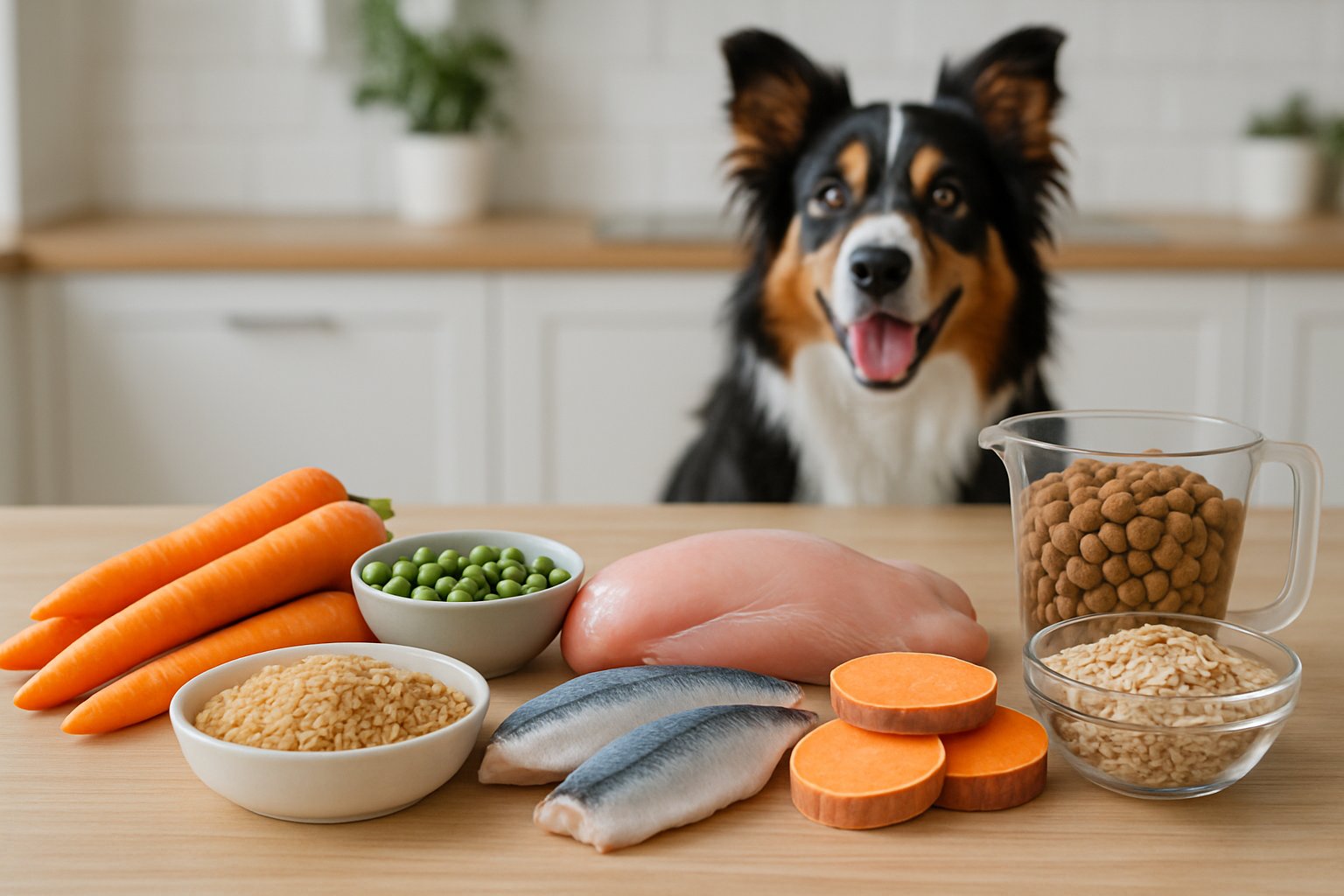
Your dog’s body runs on specific nutrients that work like tiny engines keeping everything functioning.
These nutritional building blocks—from amino acids that build muscle to vitamins that boost immunity—determine whether your pup thrives or just survives.
Amino Acids & Why They Matter
Let’s be real—amino acids are the Lego blocks of your dog’s body.
Without them, your furry friend can’t build muscle, repair tissue, or even think clearly.
I always tell pet parents to look for essential amino acids on their dog food labels.
These are the ones your dog’s body can’t make on its own. Think of them as the VIP nutrients that must come from food.
Taurine deserves special attention here. This amino acid keeps your dog’s heart pumping strong and eyes sharp.
High-quality protein sources like beef heart are packed with taurine naturally.
Your dog needs all essential amino acids working together. Missing even one creates problems.
It’s like trying to build a house with half the tools—things fall apart quickly.
What to look for:
- Named meat proteins as first ingredients
- Organ meats like heart and kidney
- Complete protein sources
Vitamins: Small But Mighty
Ever wonder why your dog bounces back from scratches so fast? Thank vitamins for that healing power.
Vitamin A keeps your pup’s vision crystal clear and skin healthy.
I’ve seen dogs with dull coats transform when they get enough of this powerhouse vitamin.
The B vitamins group works like a tag team. Thiamine supports brain function, while riboflavin helps convert food into energy.
Niacin keeps the nervous system running smoothly.
Beef kidney provides rich sources of these B vitamins naturally.
That’s why quality dog foods include organ meats.
Vitamin E acts like your dog’s personal bodyguard, fighting off harmful free radicals.
It keeps muscles strong and protects cell membranes from damage.
Key vitamin sources to spot:
- Organ meats for B vitamins
- Fish oils for vitamin E
- Sweet potatoes for vitamin A
Minerals for Dog Health
Think of minerals as your dog’s construction crew—they build bones, carry oxygen, and keep everything structurally sound.
Calcium and phosphorus work as best friends. They need each other to build strong bones and teeth.
Too much of one without the other spells trouble.
Your dog’s blood depends on iron to carry oxygen everywhere. Without enough iron, your pup feels tired and weak.
Iron-rich ingredients like beef provide this essential mineral.
Zinc keeps your dog’s immune system fighting fit. It also maintains healthy skin and a shiny coat.
Ever notice how some dogs have that gorgeous, lustrous fur? Thank zinc.
Magnesium supports muscle function and helps absorb other nutrients.
Potassium keeps the heart beating steadily.
Manganese builds strong cartilage and processes carbohydrates.
Mineral-rich ingredients to find:
- Meat meals for calcium and phosphorus
- Red meats for iron and zinc
- Fish for magnesium and potassium
The ash content on labels tells you about total mineral content. But individual minerals matter more than the total number.
Digging Deeper: Additives, By-Products & Functional Extras
Not all dog food ingredients are created equal, and some of the most misunderstood ones might actually benefit your pup.
Let me break down what’s really happening with by-products, probiotics, and those specialty supplements you see on labels.
By-Products: Good, Bad, or Both?
Here’s the truth: I’ve seen too many dog parents panic when they spot “by-products” on a label. But honestly, it’s not that black and white.
Animal by-products include organs like liver, kidneys, and lungs that humans usually skip. Your dog? They’d probably go wild for these nutrient-packed parts.
The key is specificity. Named by-products like “chicken by-product meal” actually tell you what you’re getting.
Generic by-products like “meat meal” or “animal by-product meal” are red flags — you have no clue what’s inside.
If your dog food lists specific by-products from known sources, don’t stress too much. Wild dogs eat the whole animal, organs first.
It’s when companies hide behind vague terms that I start to worry.
Beet pulp gets misunderstood a lot too. It’s a decent fiber source that helps with digestion, not just cheap filler like some people claim.
Probiotics and Antioxidants
Ever notice your dog’s tummy acting up after switching foods? That’s where probiotics can be a lifesaver.
I’ve seen dogs transform when their gut health improves. Probiotics add beneficial bacteria that support digestion and immune function.
Look for specific strains like Lactobacillus or Bifidobacterium on labels.
Antioxidants fight cell damage from everyday stress. Think of them as your dog’s internal bodyguards.
- Vitamin E and C
- Beta-carotene
- Lutein for eye health
- Selenium
Many functional ingredients now target specific health benefits beyond basic nutrition. I love seeing blueberries, sweet potatoes, and spinach in recipes — natural antioxidant powerhouses.
These aren’t just marketing gimmicks. Research shows antioxidants can help senior dogs stay sharper longer.
Specialty Supplements (Joint, Skin, & More)
Let’s talk about those fancy-sounding supplements. Are they worth it? Sometimes, yeah.
Joint support ingredients like glucosamine and chondroitin actually work. I’ve watched older dogs move easier after consistent use.
These compounds help maintain cartilage and joint fluid. For skin and coat issues, EPA and DHA (omega-3 fatty acids) are game-changers.
Fish oil sources provide these essential fats that reduce inflammation and boost coat shine.
Here’s what I look for in functional dog foods:
| Health Goal | Key Ingredients |
|---|---|
| Joint health | Glucosamine, chondroitin, turmeric |
| Skin/coat | EPA, DHA, zinc, biotin |
| Brain function | DHA, antioxidants, lutein |
| Digestive health | Probiotics, prebiotics, fiber |
The catch? 97% of pet owners make purchasing decisions based on health claims, so companies sometimes oversell benefits.
My advice: focus on your dog’s specific needs, not flashy marketing. A young, healthy pup probably doesn’t need joint supplements yet.
Spotting Red Flags: Ingredients to Question or Avoid
I’ve learned that artificial preservatives can cause health problems in dogs, while cheap fillers and controversial additives offer little nutritional value.
Let me walk you through the biggest offenders lurking in your dog’s bowl.
Artificial Preservatives and Additives
Ever wonder why some dog foods last forever on the shelf? They’re probably packed with chemical preservatives that could harm your pup.
BHA, BHT, and ethoxyquin are the worst offenders. These artificial preservatives help extend shelf life but can cause health problems in dogs.
I always check labels for these chemicals first. Propylene glycol is another sneaky ingredient.
This synthetic compound keeps dog food moist, but it can trigger skin irritation and stomach issues. Think of it as antifreeze’s cousin — not something I want in my dog’s dinner.
Dogs don’t care if their food looks pretty. These colors exist purely for marketing.
MSG (monosodium glutamate) can cause headaches, nausea, and weakness in dogs. If I wouldn’t want it in my food, why give it to my dog?
Unwanted Fillers & Controversial Ingredients
Here’s what really gets me fired up — cheap fillers masquerading as nutrition.
Corn and wheat gluten are classic space-fillers. They bulk up the food without adding real nutritional value.
Your dog’s digestive system works overtime processing these low-quality grains.
Soybean meal is particularly problematic. It’s an inexpensive protein source that can trigger allergies and interfere with nutrient absorption.
I’ve seen dogs struggle with digestion issues that cleared up once soy was removed.
By-products and rendered meats sound gross because they are. We’re talking beaks, feathers, and hooves — the parts humans won’t eat.
These ingredients can contain harmful bacteria and offer questionable nutrition.
Carrageenan thickens wet food but can cause inflammation in sensitive dogs. Sodium hexametaphosphate might reduce tartar, but it’s linked to kidney damage.
My rule? If I can’t pronounce it or wouldn’t eat it myself, my dog doesn’t need it either.
Dog Food Labels Demystified
Ever stared at a dog food label feeling completely lost? The ingredients list reads like a chemistry textbook.
And those AAFCO statements? They might as well be written in ancient Greek.
Deciphering the Ingredients List
Here’s what I’ve learned after years of squinting at tiny print on dog food bags: ingredients are listed by weight, heaviest first.
The First Five Matter Most
I always focus on the first five ingredients because they make up most of the food. You want to see:
- Protein source (chicken, beef, salmon)
- Carbohydrates (rice, sweet potatoes)
- Healthy fats (chicken fat, fish oil)
Watch Out for Sneaky Tricks
Manufacturers split ingredients to make them look less prominent. I’ve seen “corn,” “corn gluten,” and “corn meal” all listed separately.
Together, they’d probably be the first ingredient.
Red Flags I Avoid
Toxic ingredients like garlic powder, oregano, and lavender can harm your pup long-term.
I also skip foods with chocolate, avocado, or excessive artificial preservatives.
The key? Look for whole, recognizable ingredients you’d find in your own kitchen.
Nutritional Adequacy Statements & AAFCO Standards
That boring paragraph on your dog food label? It’s actually the most important part.
What AAFCO Really Means
The Association of American Feed Control Officials sets standards for complete and balanced nutrition.
When I see “formulated to meet AAFCO standards,” I know the food has the right nutrients.
Life Stage Matters
I always check if the food matches my dog’s life stage:
- Puppy/Growth – Higher protein and calories
- Adult Maintenance – Balanced nutrition
- Senior – Often lower calories, joint support
The Gold Standard Statement
Look for: “Complete and balanced nutrition for [life stage] based on AAFCO standards.” This means feeding trials proved the food works, not just computer calculations.
Skip the Vague Claims
If I see “supplemental” or “intermittent feeding only,” I keep looking. These aren’t complete meals.
Picking the Perfect Dog Food for Your Pup
I know how overwhelming the dog food aisle can feel with hundreds of options staring back at you. The key is understanding wet versus dry food benefits, when novel proteins might help your pup, and why fiber does more than just keep things moving smoothly.
Comparing Wet, Dry, and Raw Options
Let’s be real — I’ve stood in that pet store aisle feeling totally lost about which food format is actually best for my dog.
Wet dog food packs serious hydration benefits. If your pup doesn’t drink enough water, canned food can help.
It’s also easier for senior dogs to chew and digest. The downside? Your wallet will feel it.
Wet food costs more per serving than kibble. Dry dog food wins on convenience and cost.
I can buy a big bag and store it easily. Dry food may help keep teeth clean due to the chewing action required.
But some dogs get bored with the same crunchy texture every day. Raw dog food sounds natural, but it requires serious commitment.
You’ll need freezer space and careful handling to avoid bacteria. My advice?
Try mixing wet and dry food together. You get the benefits of both without breaking the bank.
Considering Novel Proteins and Special Diets
Ever notice your dog scratching all the time or dealing with tummy troubles after meals?
Novel proteins might be your answer. These are meat sources your dog hasn’t tried before—think venison, duck, or even kangaroo.
They help dogs with food allergies or sensitivities.
Common novel protein options:
- Venison
- Duck
- Rabbit
- Fish (salmon, whitefish)
- Bison
Try switching foods gradually over a week or so. Mix in more of the new food and less of the old each day.
Some dogs need grain-free diets, but don’t assume your pup does. Most dogs handle grains just fine.
Only switch to grain-free if your vet recommends it.
Special diet situations:
- Kidney disease: Low protein
- Diabetes: High fiber, low fat
- Heart disease: Low sodium
Always check with your vet before making big changes. What works for my neighbor’s Lab might not work for your Beagle.
Fiber in Dog Food: Not Just for Digestion
Here’s something most pet parents don’t realize—fiber in dog food does way more than just prevent constipation.
Fiber benefits include:
- Weight management (helps dogs feel full)
- Blood sugar control
- Healthy gut bacteria growth
- Better stool quality
I’ve seen overweight dogs drop pounds just by switching to higher-fiber food. The fiber helps them feel satisfied on smaller portions.
Good fiber sources in dog food:
- Sweet potatoes
- Pumpkin
- Brown rice
- Beet pulp
- Peas
For most adult dogs, shoot for 2-4% crude fiber on the label. Senior dogs might need a bit more.
But here’s the kicker—too much fiber leads to loose stools and gas. If you’re upping your dog’s fiber, start slow.
Some dogs with sensitive stomachs do better with gentle fiber like pumpkin instead of wheat bran.
What Makes the ‘Best Dog Food’ for Your Dog?
Honestly? There’s no single best dog food for every dog.
What makes my Golden Retriever thrive might give your Chihuahua an upset stomach.
Look for real meat, poultry or fish listed as the first ingredient on the label. That means it’s the most plentiful ingredient by weight.
Key factors I consider:
- Age-appropriate formula (puppy, adult, senior)
- High-quality protein source
- No fillers or by-products
- AAFCO nutritional adequacy statement
Don’t just trust marketing claims—focus on actual ingredients and watch how your dog responds to the food.
Your dog’s reaction tells the real story. Good food should result in:
- Shiny coat
- Good energy levels
- Healthy weight
- Normal bathroom habits
Finding the right food takes some time and trial and error. I’ve switched foods three times before landing on the perfect match for my pup.
Price doesn’t always mean quality. I’ve seen pricey foods with poor ingredients and cheap ones with solid nutrition.
Read the ingredient list, not just the flashy packaging. Your dog will thank you.
Frequently Asked Questions
Dog owners ask tons of questions about what goes into their pup’s bowl. From allergens that cause tummy troubles to must-have ingredients for homemade meals, I’ll tackle the most common concerns that keep pet parents up at night.
Wondering which components in your pup’s chow might cause tummy troubles? What are some common allergens found in dog food?
If you’ve ever watched your furry friend scratch endlessly or deal with upset stomach issues, food allergens might be the culprit.
The most common troublemakers include beef, chicken, dairy, wheat, and soy.
Beef and chicken top the allergen list because dogs eat these proteins so frequently. Their immune systems can develop sensitivities over time.
Dairy products cause problems because most adult dogs can’t properly digest lactose. This leads to gas, diarrhea, and stomach pain.
Wheat and corn are grain allergens that show up in many commercial foods. They can trigger skin reactions and digestive upset in sensitive pups.
Eggs and fish round out the common allergen list. While less frequent, they still cause reactions in some dogs.
Signs your dog might have food allergies include constant scratching, ear infections, hot spots, or chronic digestive issues.
Keep a food diary to track what your pup eats and any symptoms that follow.
Let’s be real, nobody wants to feed their doggo something harmful. Can you list some ingredients that should never make it to a dog’s bowl?
I get it—the pet food aisle can feel like a minefield when you’re trying to avoid harmful ingredients.
Some components are downright dangerous for our four-legged family members.
Chocolate, avocado, citrus, dairy, and nuts are toxic ingredients that may be harmful to your dog when consumed long-term. Even small amounts can cause serious health problems.
Garlic powder, oregano, and lavender might sound natural, but they’re actually toxic to dogs over time. These ingredients can damage red blood cells and cause anemia.
Artificial preservatives like BHA, BHT, and ethoxyquin are linked to cancer and organ damage. Skip foods with these chemical preservatives.
By-product meals from unnamed sources are red flags. You want to know exactly what protein your dog is eating.
Excessive fillers like corn gluten meal or wheat middlings provide little nutrition. They’re cheap ways to bulk up food without adding real value.
Always read ingredient labels carefully. When in doubt, pick foods with simple, recognizable ingredients you’d feel comfortable eating yourself.
You know that feeling of satisfaction from crafting something with your hands? What are the staple ingredients for a nutritious homemade dog meal?
Making homemade dog food gives me such peace of mind knowing exactly what goes into my pup’s bowl.
The basics are simpler than you might think.
High-quality protein forms the foundation—think chicken, beef, turkey, or fish. Aim for about 40-50% of the meal to be lean protein.
Complex carbohydrates like sweet potatoes, brown rice, or quinoa provide energy. These should make up about 30% of the meal.
Healthy vegetables add vitamins and fiber. Carrots, green beans, spinach, and pumpkin are excellent choices.
Healthy fats from sources like fish oil or flaxseed support coat health and brain function. Just a small amount goes a long way.
Essential supplements might be needed to ensure balanced nutrition. Calcium, vitamin E, and omega-3s are common additions.
Start with a simple recipe: cooked chicken, sweet potato, and green beans. Mix in a ratio of 2:1:1 and add a fish oil capsule.
Always check with your vet before switching to homemade food. They can help you create a balanced meal plan that fits your dog’s needs.
Ever pondered if there’s a secret recipe for your fur buddy’s dry kibble? Could you spill the beans on the primary components of dry dog food?
Dry dog food isn’t as mysterious as it seems once you understand the basic building blocks.
Most quality kibbles follow a similar formula with key components.
Named meat or meat meal should be the first ingredient. Look for “chicken” or “salmon meal” rather than vague terms like “poultry meal.”
Whole grains or grain-free carbs provide energy. Brown rice, oats, sweet potatoes, or peas are common choices.
Healthy fats like chicken fat or fish oil keep coats shiny and support brain health. These are usually preserved with natural antioxidants.
Vitamins and minerals are added to meet nutritional requirements. You’ll see long lists of supplements to ensure complete nutrition.
Natural preservatives like mixed tocopherols (vitamin E) or rosemary extract keep the food fresh without harmful chemicals.
The manufacturing process mixes these ingredients, cooks them at high heat, then forms the familiar kibble shapes.
The cooking process makes nutrients more digestible.
Quality varies widely between brands. Premium foods use better ingredients and more careful processing than budget options.
Just like how we aim for the top-shelf items in our diet, your pooch deserves the same — what should the first three items on their food label be?
I always tell fellow dog parents to focus on those first three ingredients. They make up most of what your pup actually eats.
The top ingredients to look for in dog food are high-quality proteins, natural carbohydrates, and healthy fats.
A named protein source should claim the top spot. “Deboned chicken,” “salmon,” or “beef” are what you want to see, not generic “meat meal.”
A quality carbohydrate usually comes second. Sweet potatoes, brown rice, or chickpeas provide sustained energy without blood sugar spikes.
Another protein or a healthy fat typically rounds out the top three. This might be “chicken meal” (concentrated protein) or “chicken fat” for essential fatty acids.
Ingredients always appear from most to least by weight. You can check that here: ingredients are listed from most to least by weight.
Avoid foods where corn, wheat, or by-products sit at the top of the list. Your pup really deserves real, recognizable ingredients that actually fuel their health.