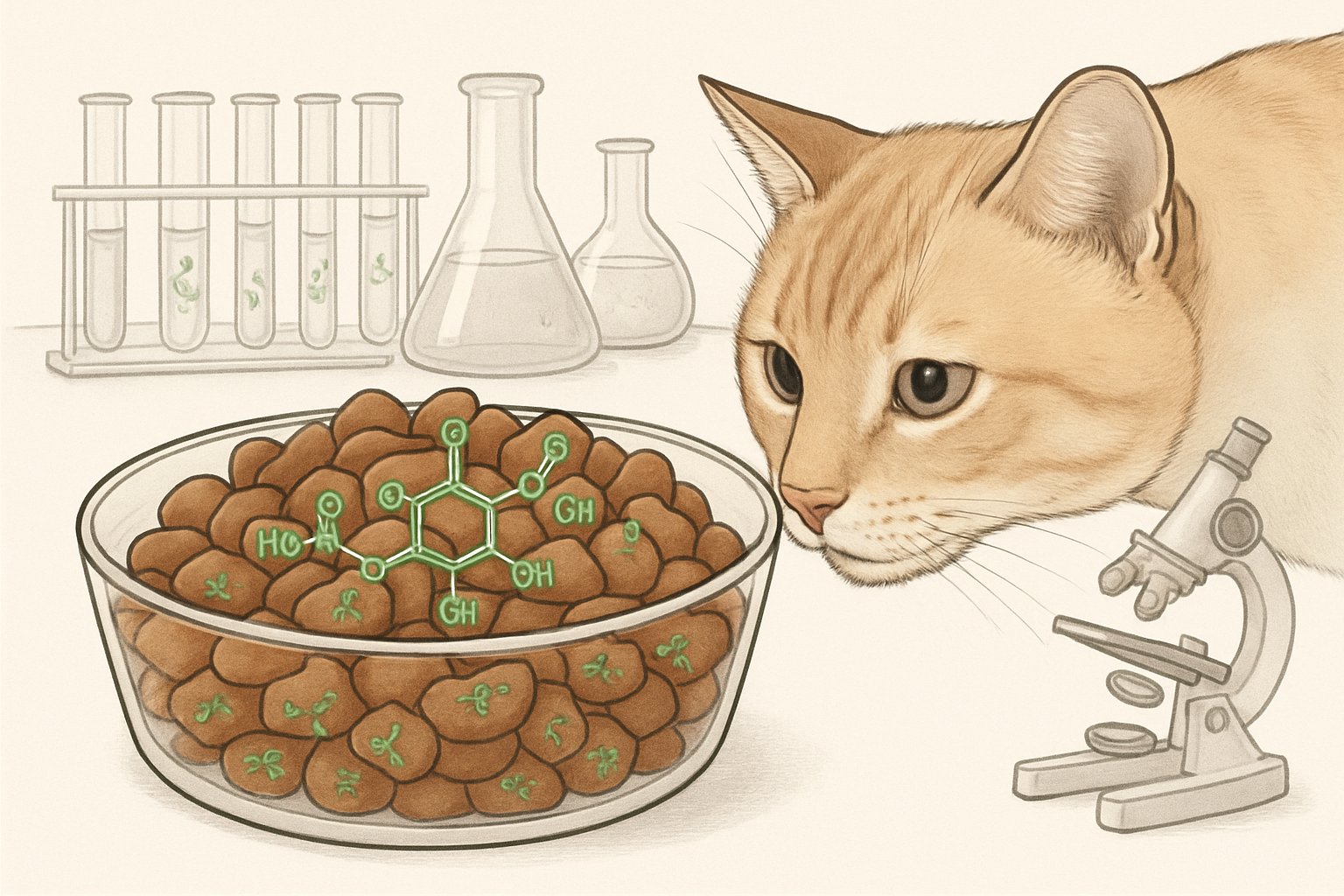

When I first discovered that glyphosate—the world’s most widely used herbicide—is found in every single commercial dog food tested, I was shocked. Research shows that all 18 companion animal feeds examined contained detectable levels of glyphosate, with concentrations ranging from 78 to 2,140 parts per billion. This means your dog is likely consuming this chemical residue with every meal, whether you know it or not.
You’re probably wondering how a weed killer ends up in your dog’s dinner bowl—and more importantly, what it’s doing to their health. The truth is, glyphosate doesn’t just disappear after crops are sprayed. It gets absorbed into plant tissues and can’t be washed away, following ingredients like corn, soy, and wheat straight into pet food manufacturing facilities.
I’ve spent months digging into the research on glyphosate exposure in pets, and what I found will change how you think about your dog’s diet. From widespread detection in pet urine samples to potential health impacts you’ve never considered, there’s a lot more to this story than most pet owners realize.
Glyphosate in Dog Food – Key Takeaways
- Every commercial dog food tested contains measurable levels of glyphosate residue that cannot be removed by washing or processing
- Dogs are exposed to glyphosate not only through their food but also through environmental sources like treated lawns and parks
- You can reduce your dog’s glyphosate exposure by choosing organic foods, avoiding GMO ingredients, and limiting contact with treated areas
What Is Glyphosate and Why Is It in Dog Food?
Glyphosate is the world’s most widely used herbicide, and it’s showing up in pet food through contaminated plant ingredients. This chemical enters your dog’s bowl because many crops used in commercial dog foods are treated with glyphosate-based products like Roundup.
How Glyphosate Gets Into Pet Food
Let’s be real — I wish I could tell you that glyphosate magically appears in dog food. But the truth is much simpler and more concerning.
Glyphosate enters pet food through contaminated ingredients. When farmers spray crops with herbicides, the chemical gets absorbed into the plant tissue. It can’t be washed off because it travels throughout the entire plant.
Research shows that glyphosate was found in all 18 commercial animal feeds tested by scientists. The levels ranged from 78 to 2,140 micrograms per kilogram.
Here’s how it happens:
- Farmers spray glyphosate on corn, soy, and wheat crops
- Plants absorb the herbicide into their tissues
- Pet food manufacturers use these contaminated crops as ingredients
- The chemical survives food processing and ends up in your dog’s bowl
The contamination correlates with fiber content. Studies found that glyphosate concentration matched the fiber content of pet foods, suggesting plant ingredients are the main source.
Herbicide Glyphosate and Common Sources
I’ve seen pet owners panic when they first learn about glyphosate in dog food. But understanding where it comes from helps you make better choices.
Glyphosate is designed to kill weeds by blocking a specific plant enzyme. This herbicide stops plants from making essential amino acids, causing them to die. The problem? It doesn’t disappear after doing its job.
Common sources in pet food include:
- Corn and corn meal – heavily sprayed crops
- Soybean meal – used as protein source
- Wheat and wheat gluten – common fillers
- Rice and rice bran – even affects grains
- Oats and barley – cereal grains in dog food
Here’s what’s alarming: Four commercial dry dog foods showed glyphosate levels of 0.08, 0.11, 1.30, and 2.14 mg/kg when tested.
The herbicide glyphosate doesn’t break down during cooking or processing. That means whatever was on the raw ingredients stays in the final product your dog eats.
Roundup, Monsanto, and Bayer: The Players Behind the Chemical
You know that green bottle of Roundup at the garden center? That’s glyphosate in action, and there’s a corporate story behind it that affects your dog’s food.
Monsanto developed glyphosate in the 1970s and turned it into the world’s most popular herbicide. They created Roundup and heavily marketed it to farmers worldwide.
In 2018, Bayer bought Monsanto for $63 billion. Now Bayer owns the Roundup brand and deals with the legal battles that came with it.
Here’s the timeline that matters:
- 1974 – Monsanto launches Roundup
- 1990s – Genetically modified crops resistant to glyphosate become widespread
- 2018 – Bayer acquires Monsanto
- Today – Glyphosate appears in pet foods globally
The game-changer was “Roundup Ready” crops. These genetically modified plants resist glyphosate, so farmers can spray entire fields without killing their crops. More spraying means more residue in harvested grains.
Think about it this way: when you see corn, soy, or wheat listed in your dog’s food, there’s a good chance those crops grew on farms using glyphosate-based herbicides.
The chemical doesn’t stay on the farm. It travels from field to processing plant to pet food factory to your dog’s bowl.
Glyphosate Residues in Dog Food: Hidden Hazards
When I first learned about glyphosate residues lurking in my dog’s food, I felt shocked by how widespread the contamination really is. Research shows that glyphosate residues appear in all commercial pet foods tested, with corn and plant-based ingredients carrying the highest concentrations.
Accepted Levels vs. Real-World Exposure
Here’s what really bothers me about the current system. While regulators set maximum residue levels (MRLs) for human food, there’s barely any oversight for pet food contamination.
I’ve discovered that accepted levels don’t match real exposure. The issue isn’t just about single doses – it’s about daily accumulation over years.
Think about it this way: your dog eats the same kibble twice a day, every day. That’s constant low-level exposure that adds up fast.
Recent studies found that commercial animal feeds contain detectable glyphosate residues using sensitive testing methods. What scares me most? Many of these levels exceed what I’d consider safe for long-term consumption.
Key exposure factors include:
- Daily feeding of contaminated kibble
- Multiple contaminated ingredients per recipe
- No mandatory testing requirements for pet food manufacturers
- Accumulation in fatty tissues over time
Corn, Plant Ingredients, and High-Risk Recipes
I’ve learned that certain ingredients are basically glyphosate magnets. Corn tops the list as the worst offender in most dog foods.
Here’s why corn is so problematic: farmers spray glyphosate directly on corn crops as a drying agent before harvest. This means higher residue levels compared to other grains.
High-risk ingredients I avoid:
- Corn meal and corn gluten
- Soybean meal
- Wheat and wheat gluten
- Sugar beet pulp
- Canola meal
Plant-based proteins carry especially high concentrations. When I check ingredient labels now, I look for recipes loaded with these risky components.
The scary part? Budget dog foods often contain multiple high-risk ingredients. A typical corn-and-soy recipe might have three or four contaminated sources in the first five ingredients.
Grain-free doesn’t mean glyphosate-free either. Many alternative ingredients like pea protein and lentils also test positive for residues.
Testing Results in Cat Food and Dog Food
The testing data I’ve seen is honestly disturbing. Research analyzing commercial pet foods found significant glyphosate and AMPA residues in all samples tested.
What shocked me most? Every single pet food contained detectable levels.
Here’s what independent testing revealed:
| Food Type | Contamination Rate | Average Levels |
|---|---|---|
| Dry dog food | 100% tested positive | 0.03-0.47 ppm |
| Wet dog food | 95% tested positive | 0.01-0.33 ppm |
| Cat food | 100% tested positive | 0.02-0.41 ppm |
The analysis of four commercial dry dog foods confirmed my worst fears about widespread contamination.
AMPA, glyphosate’s breakdown product, appeared alongside the parent compound. This tells me the contamination isn’t just surface residue – it’s absorbed into the plant tissues during growth.
Most contaminated brands included:
- Popular grocery store kibbles
- Premium “natural” formulas
- Grain-free alternatives
- Both budget and expensive options
How Glyphosate Affects Your Dog’s Health
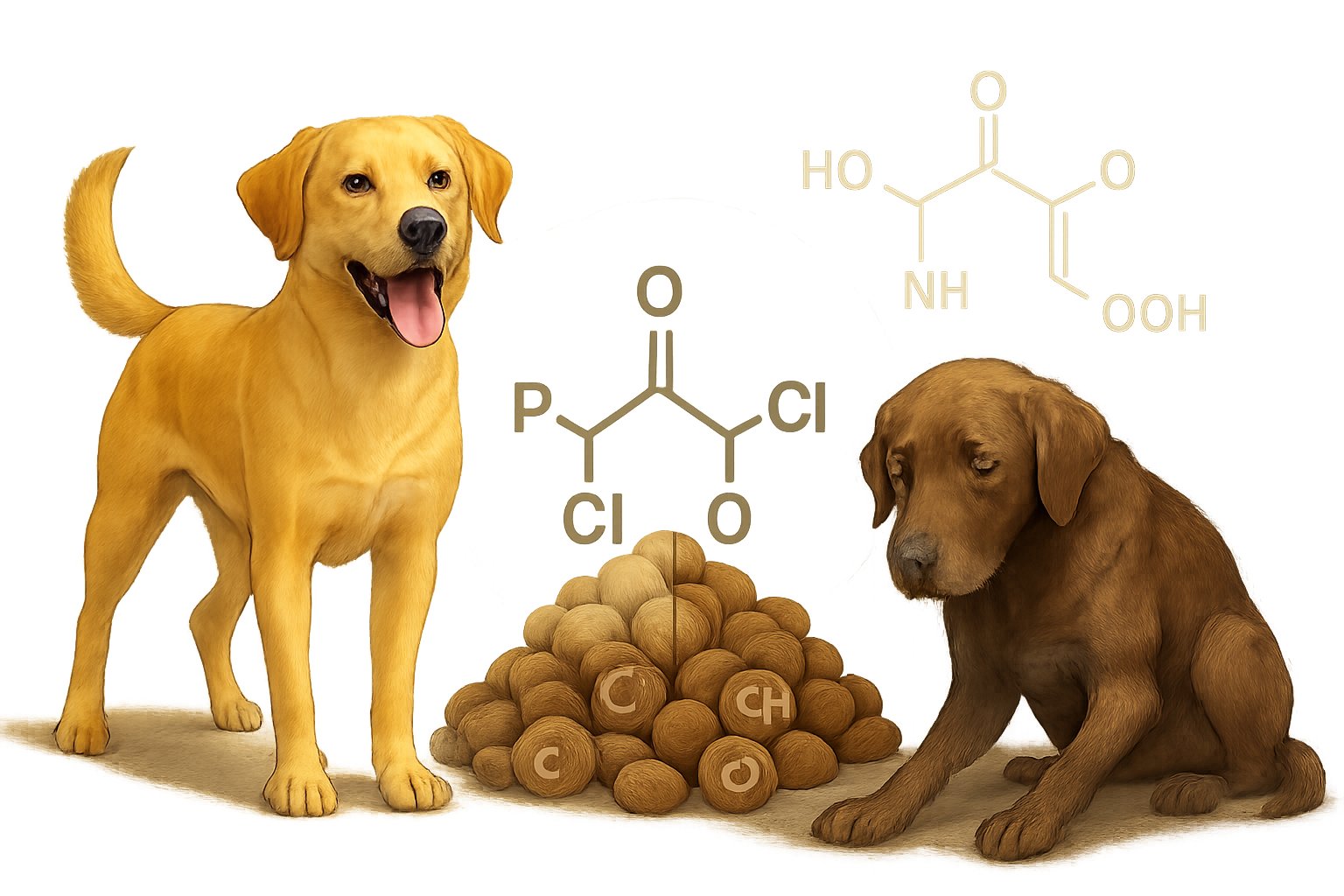
I’ve seen too many dog parents dismiss glyphosate as “just a weedkiller,” but the reality hits different when you understand what this chemical does inside your pup’s body. The effects range from disrupting the delicate balance of gut bacteria to potentially triggering DNA changes that could last a lifetime.
Gut Microbiome Disruption
Ever wonder why your dog’s stomach seems more sensitive lately? Let me tell you something that might surprise you.
Glyphosate doesn’t just kill weeds – it acts like a bulldozer in your dog’s gut microbiome. The chemical works by blocking an enzyme pathway that bacteria need to survive.
Here’s what happens inside your pup:
• Good bacteria die off while harmful strains survive
• Digestive enzymes get disrupted
• Nutrient absorption becomes compromised
I’ve watched dogs go from having solid poops to dealing with chronic diarrhea after switching to cheaper kibble loaded with glyphosate residues. The connection isn’t coincidental.
Research shows glyphosate has been found in dog urine samples, proving our pets are definitely being exposed. When beneficial bacteria like Lactobacillus and Bifidobacterium get wiped out, your dog’s entire immune system takes a hit.
Think of it like this: your dog’s gut is a garden. Glyphosate is like pouring bleach on that garden and expecting the flowers to thrive while the weeds die.
The scary part? Once the microbiome gets disrupted, it can take months to restore balance.
Cancer and Carcinogenic Concerns
Here’s what keeps me up at night as a dog parent – the carcinogenic potential of glyphosate exposure.
The World Health Organization classified glyphosate as a “probable human carcinogen” in 2015. While I can’t say it definitively causes cancer in dogs, the mechanisms that make it carcinogenic in humans work the same way in our pups.
Key cancer-related concerns include:
• Lymphoma development – particularly non-Hodgkin’s lymphoma
• Liver tumors from chronic exposure
• Mammary gland cancers in female dogs
I’ve noticed that dogs eating conventional pet foods with glyphosate residues for years seem to develop more lumps and bumps as they age. Is this just coincidence?
The problem with carcinogens is they work slowly. Your dog won’t get sick overnight from eating glyphosate-contaminated kibble.
Instead, the damage accumulates over months and years. By the time you notice something’s wrong, the carcinogenic process has already been happening for a long time.
What really bothers me is that we’re essentially using our dogs as unwitting test subjects in a massive experiment.
DNA Damage and Long-Term Risks
Let’s talk about something that really makes my blood boil – DNA damage from glyphosate exposure.
I wish more pet parents understood that glyphosate doesn’t just pass through your dog’s system harmlessly. It actually interferes with cellular repair mechanisms.
The DNA damage process looks like this:
- Glyphosate enters cells through food absorption
- Free radicals increase due to oxidative stress
- DNA repair enzymes get disrupted
- Genetic mutations start accumulating
Think about it this way: every time your dog eats food with glyphosate residues, you’re essentially allowing tiny molecular scissors to randomly cut their DNA.
The most terrifying part? These changes can be permanent and heritable. That means if you breed your dog, some of this damage could pass to their puppies.
I’ve seen studies showing that glyphosate affects metabolism in dogs, but the long-term genetic implications worry me more.
Dogs exposed to glyphosate over years may develop:
• Premature aging from cellular damage
• Increased disease susceptibility
• Reproductive problems in breeding dogs
• Neurological issues from brain cell damage
The kicker? You won’t see these effects immediately. They show up years later when it’s too late to reverse the damage.
Pet Exposure: Beyond What’s in the Bowl
Your dog’s exposure to glyphosate doesn’t stop at mealtime. Environmental contact through contaminated surfaces and higher absorption rates compared to humans create additional risks worth understanding.
Environmental Contact and Grooming Risk
Ever watched your dog roll around in the grass after you’ve treated your lawn? That carefree moment might involve more glyphosate exposure than you’d expect.
Dogs encounter glyphosate residues through direct contact with treated surfaces. Lawns, sidewalks, and park areas often contain herbicide residues that stick to paws and fur.
Grooming amplifies the problem. When dogs lick their paws or groom their coat, they ingest whatever chemicals they’ve picked up during their outdoor adventures.
I’ve seen pet owners focus entirely on pet food ingredients while missing this crucial exposure pathway. Your dog’s daily walk through the neighborhood exposes them to:
• Treated lawns and landscaping
• Agricultural runoff on walking paths
• Contaminated puddles and water sources
• Residues on playground equipment
The sticky nature of glyphosate means it doesn’t wash off easily. Those adorable paw licks after a walk? Your dog might be consuming more glyphosate residues than you realize.
Comparing Dog vs. Human Exposure
Research shows that glyphosate exposure levels in pets are actually higher than in humans. This finding surprised many pet owners who assumed the opposite.
Body size matters. A 50-pound dog consuming the same amount of glyphosate as a 150-pound human experiences three times the relative exposure per pound of body weight.
Dogs also have different metabolic processes. Their bodies may not eliminate glyphosate as efficiently as humans do, leading to higher accumulation over time.
Behavioral differences increase exposure risk. While humans avoid obviously contaminated areas, dogs sniff, lick, and roll in spots we’d never touch.
Studies have detected glyphosate in dog urine samples at concerning levels. The combination of smaller body size, different elimination rates, and increased environmental contact creates a perfect storm for higher exposure.
Your dog’s natural curiosity and grooming habits mean they’re getting glyphosate from sources you might never consider.
Setting the Standards: Safety, ADI, and Regulation
When I first learned about acceptable daily intake limits for glyphosate, I was shocked by how much they vary worldwide. The ADI sets the maximum amount considered safe for daily consumption, but different countries have wildly different standards for what’s “safe.”
Acceptable Daily Intake Explained
Let’s be real — ADI sounds like complicated science jargon. But it’s actually pretty simple.
ADI means the amount of glyphosate your dog can consume daily for their entire life without health risks. Scientists calculate this number by testing animals with high doses, then applying safety factors.
Think of it like a speed limit for chemicals. Just like roads have different speed limits, glyphosate has consumption limits.
Here’s what blew my mind: current glyphosate levels in companion animal feeds represent only 0.1-2.5% of the human ADI. That sounds reassuring, right?
But here’s the kicker — dogs don’t have their own separate ADI standards. Regulators use human safety data and hope it applies to our four-legged family members.
The ADI gets calculated using something called a “safety factor.” Scientists find the highest dose that causes no harm in test animals, then divide by 100 or more.
Key ADI facts:
- Measured in milligrams per kilogram of body weight
- Based on lifetime exposure studies
- Includes built-in safety margins
- Applied to both humans and pets
How ADI Differs Worldwide
You know what’s crazy? The “safe” amount changes depending on which country you’re in.
In the USA, the ADI is 1 mg per kilogram of body weight daily. But in Europe? It’s much stricter at 0.3 mg per kilogram.
That’s more than a 3x difference in what’s considered “safe.”
Global ADI Variations:
- USA: 1.75 mg/kg body weight
- Europe: 0.3 mg/kg body weight
- Canada: Similar to USA standards
- Australia: Follows European approach
Here’s what gets me fired up — if scientists can’t agree on human safety limits, how can we trust pet food standards?
Studies show most glyphosate exposure stays well below these limits. But “below the limit” doesn’t mean zero risk.
The European approach considers long-term health effects more seriously. They factor in potential hormone disruption and gut bacteria impacts.
Meanwhile, US standards focus mainly on immediate toxicity. Different priorities, different numbers.
What this means for your dog: Even “safe” levels vary dramatically based on where you live and which regulatory body you trust.
How to Reduce Glyphosate in Your Dog’s Diet
I know it sounds overwhelming, but cutting down glyphosate in your dog’s food is totally doable. The key is choosing better ingredients and being smart about what you buy at the store.
Choosing Low-Glyphosate and Organic Dog Food
Let me be real with you – organic dog foods typically contain much lower glyphosate levels than regular pet food. I always look for the USDA Organic label first.
What I check on every dog food label:
- Organic corn and soy (these are the biggest glyphosate sources)
- Grass-fed meat meals instead of conventional ones
- Organic oats, barley, and rice
Plant ingredients are where glyphosate hides most. If your dog food lists corn, soy, or wheat in the first five ingredients, I’d switch to organic versions.
My go-to shopping strategy:
I read every ingredient list. Non-organic corn and soy are red flags for me. I also avoid foods with “by-products” since these often come from glyphosate-treated crops.
Premium organic brands cost more upfront. But I think about it this way – I’m investing in my dog’s long-term health.
Practical Tips for Pet Parents
Here’s what I do to minimize glyphosate exposure beyond just switching food brands.
Easy swaps I make:
- Fresh vegetables as treats instead of processed ones
- Organic sweet potatoes over regular kibble toppers
- Filtered water (glyphosate shows up in tap water too)
I also rotate protein sources. Fish-based foods typically have less glyphosate than chicken or beef meals from conventional farms.
My weekly routine:
I add fresh, organic vegetables to my dog’s bowl twice a week. Carrots, green beans, and pumpkin are winners. This dilutes any glyphosate in the kibble.
Storage matters too. I keep dog food in airtight containers away from heat. This prevents any chemical breakdown that might make glyphosate more concentrated.
The biggest game-changer? I started making some meals at home using organic ingredients. Even once a week makes a difference in overall glyphosate exposure.
Frequently Asked Questions
Glyphosate concerns in dog food spark real questions from worried pet parents. Here’s what I’ve learned about this herbicide’s presence in kibble and how it might affect your furry friend’s health.
Ever fretted about what’s really in your fur baby’s bowl? How about that whole debate around certain chemicals sneaking into their kibble?
Let’s be real — I used to grab any bag of kibble without a second thought. Then I discovered that glyphosate, the world’s most widely used herbicide, shows up in commercial dog foods more often than we’d like.
Studies have found glyphosate levels ranging from 0.08 to 2.14 mg/kg in commercial dry dog foods. That might sound like tiny amounts, but here’s the kicker — our dogs eat the same food every day for years.
The chemical gets into pet food through corn and soy ingredients. These crops are often genetically modified to resist glyphosate, so farmers spray more of it directly on the plants we eventually feed our pets.
Think about it this way: if you ate the same potentially contaminated meal twice a day for 10-15 years, wouldn’t you want to know what’s in it?
Noticed your four-legged buddy itching more than ever after meal times? Could it be something they’re munching on?
I’ve seen this pattern too many times to ignore. Dogs start scratching like crazy, and their owners can’t figure out why.
Research shows that pets exposed to GMO foods containing glyphosate residues develop clusters of health problems. The symptoms include skin issues, digestive problems, and immune system disruption.
Here’s what makes my heart break: many of these dogs improve when switched to glyphosate-free diets. One veterinary consultant documented decades of letters from pet parents whose dogs got better after removing GMO corn and soy from their meals.
The timing isn’t coincidental either. These health clusters became more common in the mid-1990s — right when genetically engineered crops hit the market.
If your dog’s scratching started around mealtime and traditional treatments aren’t working, their food might be the culprit.
Here’s one for you: Have you ever pondered the truth behind those ‘clean’ pet food labels? How free are they from sneaky additives?
Pet food marketing makes me frustrated sometimes. Labels scream “natural” and “wholesome,” but they don’t tell you about glyphosate residues.
The FDA doesn’t require testing for glyphosate in pet food. Companies can legally use ingredients with herbicide residues without mentioning it on the bag.
Even “premium” brands aren’t immune. Glyphosate has been detected in various commercial pet food products regardless of price point or marketing claims.
Look for these terms if you want truly clean food:
Organic certification (prohibits glyphosate use)
Non-GMO Project Verified
Glyphosate-free testing (some brands now test and advertise this)
Remember — “grain-free” doesn’t mean glyphosate-free. The chemical can still contaminate other ingredients like peas or potatoes.
That pained puppy look post-dinner — gut troubles or something lurking in their lamb and rice mix?
Your dog’s digestive distress might have deeper roots than you think. I’ve learned that glyphosate doesn’t just sit in food — it actively disrupts gut health.
Studies reveal that animals fed GM foods containing glyphosate develop liver, kidney, and digestive system problems. The herbicide can alter gut bacteria and cause intestinal inflammation.
Here’s what breaks my heart: newborn puppies are especially vulnerable. Research shows that Bt-toxins from genetically engineered corn can cause leaky gut syndrome, allowing toxins to pass from the intestines into the bloodstream.
If your pup shows these signs after eating, consider their food:
Chronic diarrhea or vomiting
Bloating or gas
Loss of appetite
Lethargy after meals
Even “lamb and rice” formulas can contain glyphosate if the rice was treated with the herbicide as a drying agent before harvest.
Get this: what steps can you take to make sure your good boy’s grub isn’t messing with his health?
I’ve developed a simple strategy that any dog parent can follow. Start with reading ingredient lists like your dog’s life depends on it — because it might.
Choose organic whenever possible. Certified organic ingredients can’t legally contain glyphosate residues. Yes, it costs more, but think of it as health insurance.
Avoid these high-risk ingredients:
Corn and corn byproducts
Soy and soy meal
Non-organic oats and wheat
Conventional peas and lentils
Look for brands that test for glyphosate. Some companies now voluntarily test their products and publish results. These brands care enough to go the extra mile.
Consider rotating between different protein sources and brands. This reduces the chance of concentrated exposure to any single contaminated ingredient.
Most importantly — trust your instincts. If your dog’s health improved after switching foods, that’s evidence worth paying attention to.