
Making homemade cat food might sound overwhelming at first. But honestly, I’ve found it’s one of the most rewarding ways to make sure your feline friend gets exactly what they need.
Homemade cat food recipes give you full control over every ingredient. You get to provide fresh, species-appropriate nutrition that most commercial foods just can’t match.
After years of watching cats thrive on carefully prepared meals, I can say the difference is pretty remarkable. There’s just something about seeing your cat happy and healthy thanks to your own effort.
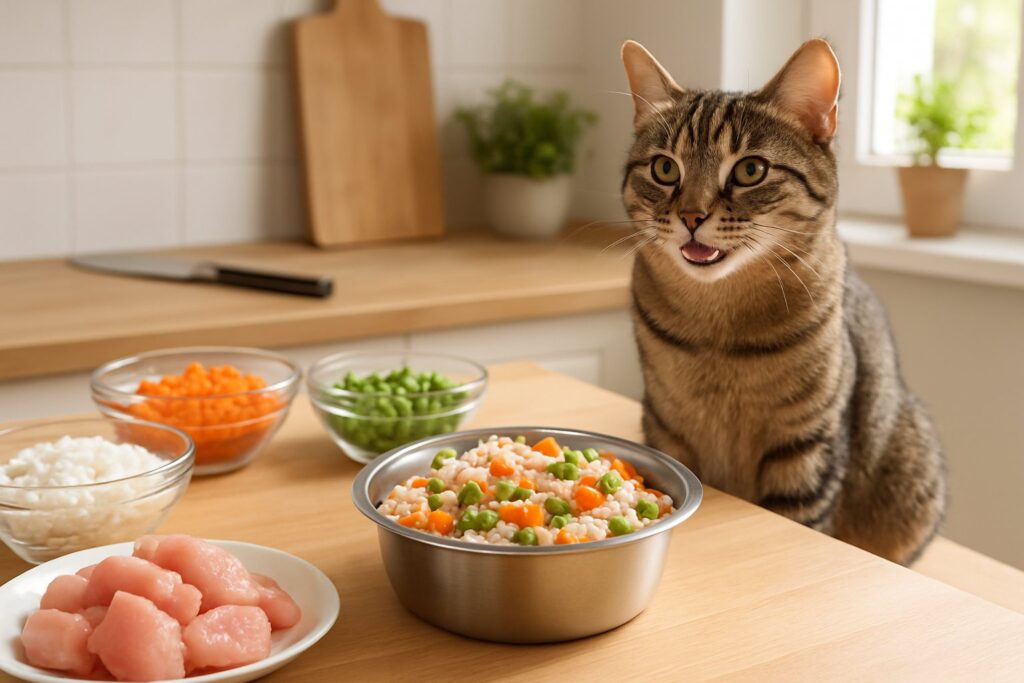
Let’s be real—have you ever read the ingredient list on your cat’s kibble and wondered what half those words mean? I definitely have, until I started exploring homemade cat food recipes that use premix supplements for balanced nutrition.
The process isn’t as complicated as it sounds, especially once you understand the basics of feline nutrition and have a few good recipes. You’re about to learn everything from understanding your cat’s unique nutritional needs to preparing meals for different life stages.
I’ll walk you through simple recipes, whether you like cooked or raw feeding. I’ll also share the mistakes I wish I’d avoided when I first started.
Key Takeaways
- Homemade cat food needs proper supplementation and veterinary guidance for complete nutrition.
- Key ingredients: high-quality animal proteins, essential fats, and balanced vitamins and minerals.
- Different life stages require specific nutritional tweaks for optimal health and development.
Why Choose Homemade Cat Food?
Making your own cat food gives you total control over what goes into your furry friend’s bowl. It can save money and help you address specific health needs.
Let me share why homemade cat food might be the game-changer your cat needs.
Benefits of Homemade Cat Food
Ever wonder what’s really in that can of commercial cat food? I used to trust those fancy labels until I started reading ingredient lists a little closer.
Complete ingredient control is the biggest reason I go homemade. You know exactly what protein source you use—no mystery meat or weird fillers.
When I make my cat’s food, I use fresh chicken breast, not “poultry by-products.” That peace of mind is hard to beat.
Cost savings sneak up on you in a good way. A pound of chicken costs way less than premium wet food.
I spend about $2 per day on homemade meals, while high-quality commercial options set me back $4 or more.
Fresh nutrition just feels better. Commercial foods lose nutrients during processing and storage.
Homemade cat food gives your cat fresh, wholesome nutrition that hasn’t been sitting in a warehouse for months.
Your cat’s digestive health might improve, especially if they have a sensitive stomach. Many cats thrive on homemade diets because you get rid of artificial preservatives and questionable ingredients.
Comparing Homemade vs. Commercial Cat Food
Honestly, both options have their place. But here’s what I’ve noticed after switching between them.
| Homemade Cat Food | Commercial Cat Food |
|---|---|
| Fresh ingredients | Long shelf life |
| Complete control | Convenient |
| $2-3 per day | $3-5 per day (premium) |
| Requires prep time | Ready to serve |
| Custom nutrition | Standardized formula |
Quality matters more than convenience. Premium ingredients and fresh produce give you nutritional control that commercial foods just can’t touch.
The time investment is real. I spend about 30 minutes a week prepping meals instead of just popping open a can. But when I see my cat’s energy levels jump? Totally worth it.
Feeding homemade cat food means you have to add supplements like taurine and calcium. Commercial foods already have these. You’ll need to do some research or team up with your vet.
Customizing for Allergies and Dietary Needs
This is where homemade really shines. If your cat has food allergies, you’re probably tired of reading labels and paying extra for “limited ingredient” formulas.
Food allergies are easier to manage when you control every ingredient. My friend’s cat couldn’t tolerate any commercial food because of a chicken sensitivity.
Homemade meals tailored to special diets solved that problem completely.
Medical conditions like kidney disease need specific nutrition. You can adjust protein, phosphorus, and sodium without searching for expensive specialty foods.
Life stage needs change all the time. Kittens and seniors need different things. I tweak recipes as my cats age instead of buying multiple commercial formulas.
Picky eaters usually prefer homemade because you can play with textures and flavors. My cat hated chunky wet food but goes nuts for smooth, homemade pâté.
The key is working with your vet to make sure the diet is complete. Don’t just wing it—homemade cat food only works when you get the nutrition right.
Understanding Cat Nutrition Basics
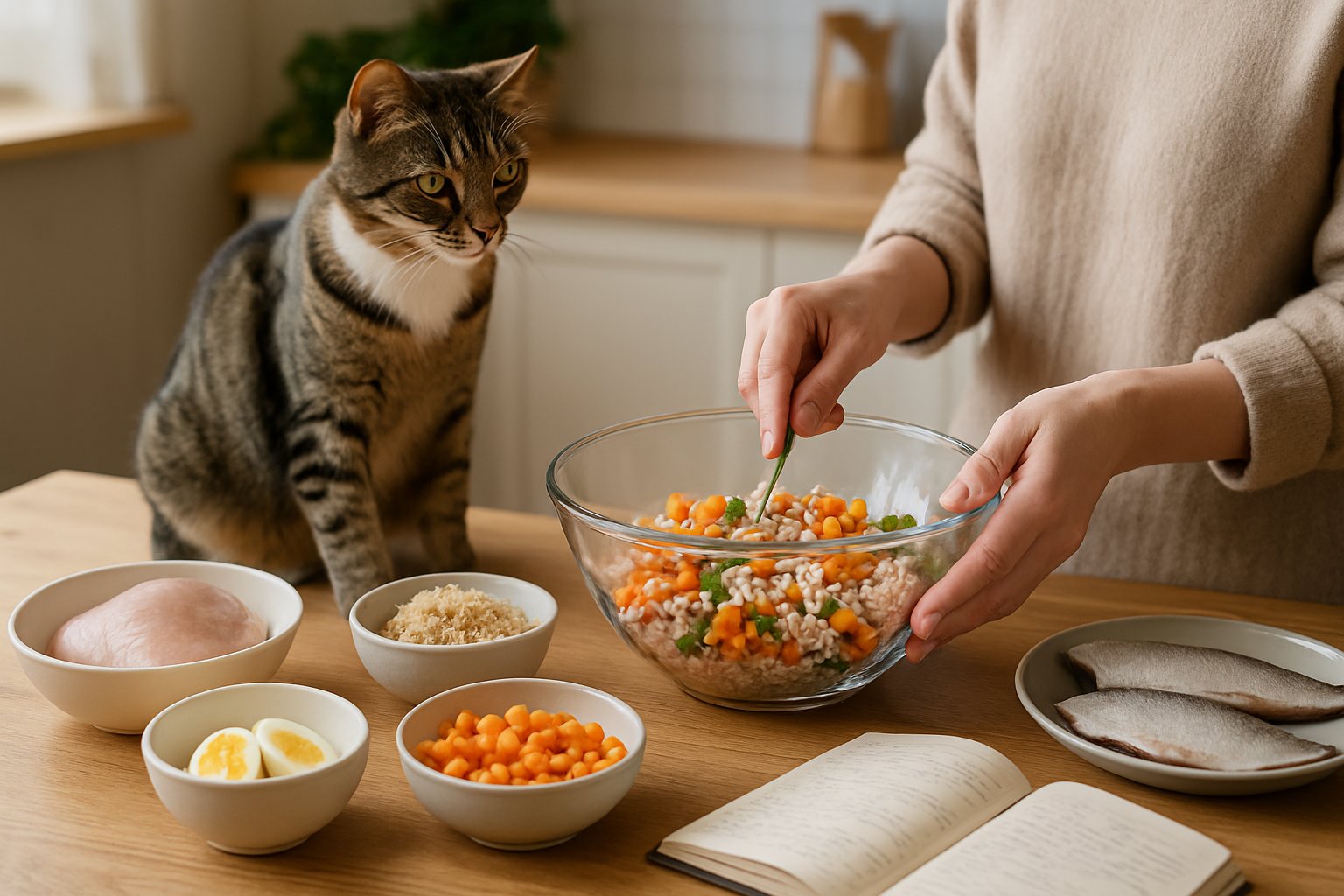
Cats are obligate carnivores. Their dietary needs are totally different from dogs or humans.
Getting these requirements right means knowing which nutrients matter most and avoiding mistakes that can harm your cat.
Obligate Carnivores: What Cats Really Need
Let’s be honest—your cat isn’t built to eat like you or your dog. Cats are obligate carnivores. They have to eat meat to survive.
Unlike dogs, who can handle plant-based diets, cats rely on nutrients found only in animal tissue. Their bodies just can’t make some of the essential stuff on their own.
This carnivorous need shapes everything about what should go into cat recipes. Their digestive systems are short and acidic, built to break down raw meat fast.
Key meat requirements include:
- Fresh muscle meat (chicken, turkey, beef, rabbit)
- Organ meats for concentrated nutrients
- Fish now and then for omega-3s
When I make homemade cat food, meat makes up at least 85% of the recipe. Plant ingredients? I keep those under 10-15% of the total meal.
Essential Nutrients for Feline Health
Making nutritionally complete cat food means understanding the seven essential nutrients cats need every day. If you miss one, it can cause real problems.
Protein is the foundation. Cats need way more protein than dogs—about 26% minimum for adults and 30% for kittens.
Fats provide energy and help with vitamin absorption. I add healthy fats like chicken fat or a splash of fish oil to every batch.
Essential amino acids are where it gets tricky. Cats can’t make taurine or arginine, so these have to come from meat or supplements.
Here’s what I focus on:
| Nutrient | Why It Matters | Best Sources |
|---|---|---|
| Taurine | Heart health, vision | Heart, liver, muscle meat |
| Arginine | Removes toxins | All animal proteins |
| Vitamin A | Immune system | Liver, fish |
| B Vitamins | Energy metabolism | Meat, organs |
Vitamins and minerals are honestly the trickiest part. I always work with my vet to make sure my recipes include the right supplements.
Common Nutrition Mistakes
I see cat owners make the same mistakes over and over with homemade food. These errors can really hurt your cat long-term.
Mistake #1: Forgetting taurine supplements. Even meat-heavy diets can lack enough taurine, especially since cooking destroys a lot of it.
Mistake #2: Using too many veggies. Some cats like a berry or veggie here and there, but keep these under 5-10% of their diet. Carbs shouldn’t go over 20% of the food.
Mistake #3: Feeding only muscle meat. Cats need organ meats for extra nutrients. I make sure about 10% of each batch is liver.
Mistake #4: Ignoring calcium balance. Raw meat diets often lack calcium. You’ll need bone meal or a calcium supplement to keep things balanced.
Mistake #5: Not talking to a vet. Every cat is different—age, health, activity level all matter. What works for mine might not work for yours.
Biggest mistake? Assuming homemade is automatically healthier. Without planning and supplements, homemade can be riskier than commercial foods.
Key Ingredients for Homemade Cat Meals
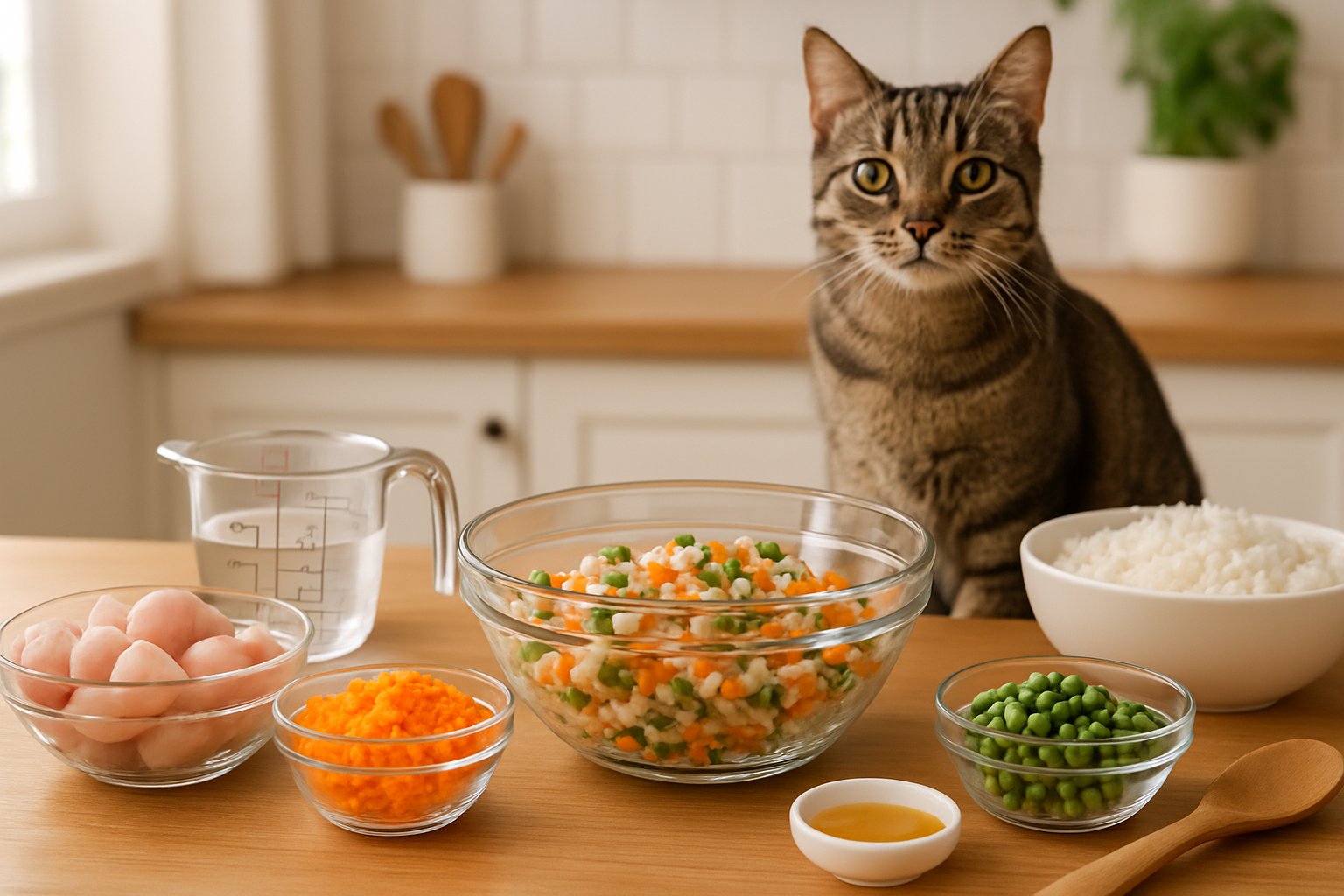
Making your own cat food means picking the right proteins, safe extras, and knowing what to skip. I’ve learned that cats need specific nutrients to thrive, and missing even one can lead to health problems.
Choosing the Right Proteins and Fats
Let me tell you—protein is everything when it comes to homemade cat food ingredients.
Cats are true carnivores. They need meat to survive and thrive.
I always start with lean proteins like turkey breast, chicken thigh, or pork loin as my base.
These meats are easy on your cat’s stomach and pack the protein punch they crave.
But here’s what most people miss—organ meats are non-negotiable.
Your cat absolutely needs heart, liver, and brain because these contain taurine, an amino acid that prevents heart disease and blindness.
Best protein choices for homemade cat food:
- Chicken (boneless, skinless)
- Turkey breast
- Beef (lean cuts)
- Duck
- Rabbit
- Fish (salmon, tuna)
The fat content should stay between 8-15% for optimal health.
Too little fat and your cat won’t absorb vitamins properly. Too much and you’re looking at obesity problems down the road.
I’ve found that mixing different protein sources keeps meals interesting and ensures balanced nutrition.
One day chicken, the next day beef with some fish mixed in.
Safe Add-Ins: Vegetables, Supplements, and More
Now, here’s where I see cat owners get confused.
Cats don’t actually need vegetables, but some can be safely added in small amounts.
Safe vegetables for homemade kitten food and adult meals:
- Green peas (small amounts)
- Pumpkin (great for digestion)
- Carrots (cooked and mashed)
But honestly? I focus more on the essential supplements that cats actually need.
Calcium lactate, taurine, and fish oil are the big three that prevent serious health issues.
Must-have supplements:
- Taurine – prevents heart problems
- Calcium – for strong bones and teeth
- Fish oil – for healthy skin and coat
- Vitamin B complex – supports metabolism
I always add a pinch of kelp for trace minerals and some psyllium husks for fiber.
These small additions make a huge difference in your cat’s overall health.
The key is balance. Too many supplements can be just as harmful as too few.
Foods to Always Avoid
This is where things get serious.
Some foods that seem harmless can actually kill your cat.
Never include these in homemade cat food:
- Onions and garlic (destroy red blood cells)
- Chocolate (toxic to cats)
- Grapes and raisins (kidney failure)
- Raw fish bones (choking hazard)
- Cooked bones (splinter and cause internal damage)
But here’s what shocked me when I started making homemade cat food—carbohydrates are actually harmful to cats long-term.
Corn, wheat, rice, and potatoes put strain on their liver and pancreas.
I used to think a little rice was harmless. Wrong.
Extended feeding of carbs can cause diabetes, kidney disease, and obesity in cats.
Carbs that damage cat health:
- Corn
- Wheat
- Rice
- Potatoes
- Oats
Even “healthy” fruits like apples or bananas have no place in cat food.
Cats can’t process plant matter efficiently, and it just takes up space that should be filled with meat.
Types of Homemade Cat Food Recipes
Making your own cat food gives you complete control over what goes into your furry friend’s bowl.
You can choose between cooked recipes that are gentler on sensitive stomachs, raw diets that mimic what cats eat in the wild, or soft options perfect for senior cats and picky eaters.
Cooked Cat Food Recipes
Let’s be real—cooked homemade cat food recipes are where most of us start.
I get it. The idea of handling raw meat makes some people squeamish, and cooking feels safer.
Cooked recipes typically use lean proteins like turkey breast, chicken thighs, or ground beef.
You cook the meat thoroughly, then mix it with premix supplements to balance the nutrition.
I’ve tried the Balance It Turkey and Sweet Potato recipe, and my cats loved it.
You roast turkey breast at 350°F until it hits 165°F internally. Then you bake sweet potatoes until tender.
Key benefits of cooked recipes:
- Kills harmful bacteria
- Easier for nervous pet parents
- Good for cats with sensitive digestive systems
- Premix supplements make balancing nutrition simpler
The EZComplete cooked meat approach is super straightforward.
You just need boneless meat, water, and their premix powder.
I slow-cooked ground beef for 4-6 hours, skimmed the fat, then mixed in the supplement.
Pro tip: Always let cooked meat cool completely before adding supplements.
Heat destroys some vitamins.
Raw Cat Food Recipes
Raw cat food recipe enthusiasts swear by this approach.
It mimics what cats would eat in nature—fresh meat, organs, and bones.
The most popular method is the Prey Model Raw (PMR) diet.
It follows the 80/10/10 rule: 80% muscle meat, 10% raw bones, and 10% organs.
I’ll be honest—raw feeding takes more research and prep work.
You need multiple protein sources to avoid nutritional gaps.
The Little Carnivore PMR recipe uses white meat, red meat, chicken hearts, gizzards, liver, and whole sardines.
What makes raw cat food work:
- Higher moisture content
- No cooking damage to nutrients
- Natural enzymes intact
- Better dental health from chewing bones
The Alnutrin raw ground rabbit recipe is simpler.
You grind whole rabbit with bones and organs, then mix in their premix supplement with water.
Safety warning: Raw diets carry bacteria risks.
Always use fresh, high-quality meat from trusted sources. Wash everything thoroughly.
Wet Cat Food and Soft Cat Food Options
Senior cats, cats with dental issues, or just plain picky eaters often need softer textures.
Homemade soft cat food bridges the gap between commercial wet food and DIY nutrition.
Think of soft homemade options as comfort food for cats.
You can make chicken liver pâté by blending cooked liver with a little broth. It’s smooth, nutritious, and most cats go crazy for it.
Homemade wet cat food usually starts with cooked meat that you shred or chop finely.
Add bone broth (without onion, garlic, or salt) to create a gravy-like consistency.
I’ve made “Chicken Meowy Jello” by mixing gelatin with chicken broth and shredded meat.
It sets up soft and jiggly—perfect for cats who struggle with harder textures.
Soft food advantages:
- Easier to digest
- Higher moisture content
- Good for medication mixing
- Appeals to finicky eaters
You can also blend any cooked homemade cat food recipe with extra water or broth to create a softer texture.
Just make sure you’re not diluting the nutrition too much.
Step-By-Step: Preparing DIY Cat Food at Home
Making pet food at home requires careful planning and proper techniques to keep your cat healthy.
Safe preparation methods and smart storage systems help you create nutritious meals while pet food makers can simplify the entire process.
Making Cat Food Safely
I learned the hard way that making homemade cat food isn’t just about mixing ingredients together.
Your cat’s life depends on getting this right.
Start with clean everything.
I wash my hands, sanitize all surfaces, and use separate cutting boards for meat.
Cross-contamination can make your cat seriously sick.
Here’s my safety checklist:
- Fresh ingredients only – no expired meat or questionable fish
- Cook meat to 165°F to kill harmful bacteria
- Avoid toxic foods like onions, garlic, and grapes
- Balance nutrients with proper protein, fat, and vitamin ratios
I always consult my vet before switching recipes.
Cats need specific nutrients that differ from dogs or humans.
Missing even one essential vitamin can cause health problems over time.
Temperature matters big time.
I use a meat thermometer every single time.
Raw diets need extra care with sourcing and handling.
Vet-approved recipes take the guesswork out of nutrition balance.
Never wing it with portions.
I measure everything precisely because cats are small and nutrient imbalances hit them harder than larger animals.
Batching, Storing, and Freezing
I make large batches once a week to save time and money.
Proper portioning and freezing keeps the food fresh and makes feeding simple.
My batching system works like this:
- Cook 7-10 days worth of food in one session
- Cool completely before portioning
- Divide into meal-sized containers
- Label with dates and freeze immediately
I use glass containers or freezer-safe bags for storage.
Each portion equals exactly what my cat eats in 48 hours. Anything longer in the fridge goes bad.
Freezing saves money and time.
I pull out 2-3 portions at a time and thaw them in the refrigerator.
Never microwave or use hot water—it creates hot spots that can burn your cat’s mouth.
My freezer stays organized with a rotation system. Oldest food gets used first.
Frozen homemade cat food lasts up to 3 months if stored properly.
Room temperature thawed food spoils fast.
I throw away anything left out longer than 2 hours.
Using a Pet Food Maker
Pet food makers totally changed my DIY cat food game. These machines grind, mix, and portion everything for you.
The ChefPaw pet food maker does it all in one device. I just add the ingredients, pick a recipe, and out comes a balanced meal.
No more guessing ratios or wasting hours in the kitchen.
Here’s what I actually like about using a pet food maker:
- Consistent texture every batch
- Precise nutrient mixing
- Less cleanup than prepping by hand
- Built-in safety features for correct cooking temps
I still have to buy quality ingredients and stick to vet-approved recipes. The machine just makes everything foolproof.
Cost breakdown matters. Pet food makers need some upfront cash, but they save money in the long run. I found making food at home costs about 40% less than fancy store-bought food.
Some models even link to recipe apps. I can tweak portions for my cat’s weight and activity. The texture stays the same every time, which helps with picky eaters.
Cleaning takes me 5 minutes now, instead of the 30 minutes I used to spend washing all those prep tools.
Homemade Cat Food Recipes for Every Life Stage
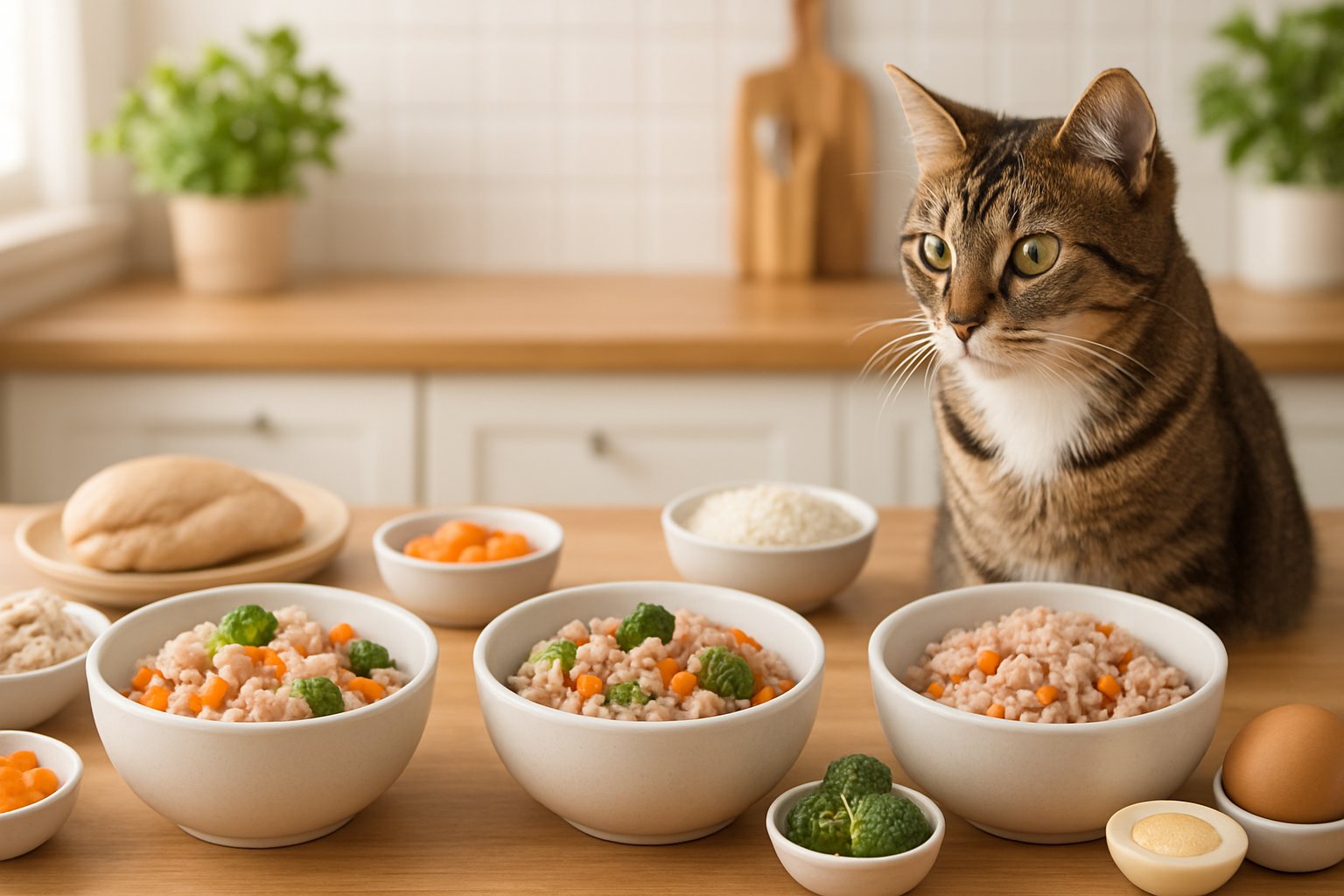
Cats need different nutrients as they grow from wild little kittens to wise old seniors. Each stage comes with its own protein needs, vitamins, and portions to keep your cat healthy.
Nutritious Recipes for Kittens
Ever watched a kitten bounce off the walls after eating? Growing kittens need twice the calories of adult cats to fuel all that chaos and development.
I’ve learned that homemade kitten food has to be loaded with nutrition. Your little furball needs at least 30% protein—way more than adults.
My Go-To Kitten Power Bowl:
- 4 oz ground chicken (cooked)
- 1 egg yolk (raw)
- 1 tsp salmon oil
- Pinch of calcium carbonate
The trick? Feed tiny portions 4-6 times a day. Kittens have walnut-sized stomachs and huge appetites.
Kittens need taurine supplements because their hearts are working overtime. Without it, you risk some serious heart problems.
Pro tip: Blend it smooth for kittens under 8 weeks. They can’t chew chunks yet.
Always ask your vet before switching up their food. Kittens are surprisingly fragile, and one mistake with nutrition can mess them up long-term.
Homemade Meals for Adult Cats
Let’s face it—most adult cats act like food critics. I’ve found that simple, consistent recipes work best.
Adults need at least 26% protein and way fewer calories than kittens. It’s like going from teen metabolism to adult reality.
My Foolproof Adult Cat Recipe:
- 6 oz lean meat (chicken, turkey, or beef)
- 1 tbsp cooked sweet potato
- 1 tsp fish oil
- Vitamin supplement (vet-approved)
I meal prep on Sundays and portion out a week’s worth. My cat gets the same nutrition every day, and I save a ton of time.
Don’t skip the arginine and taurine supplements. These are must-haves to prevent blindness and heart issues.
Feed twice a day, about 12 hours apart. Routine is everything for adult cats, and their stomachs need that break.
Watch the carbs—keep them under 10% or you’ll end up with a chunky cat.
Special Options for Senior Cats
You know that look your senior cat gives you when they’re not feeling great? Older cats (7+ years) need some special attention at mealtime.
Senior cats often deal with kidney problems, arthritis, and less appetite. Their meals need to be gentle but still packed with nutrients.
My Senior Cat Comfort Recipe:
- 5 oz easy-to-digest protein (fish or chicken breast)
- 2 tbsp bone broth (low sodium)
- 1 tsp coconut oil
- Joint support supplement
Warm the food slightly—seriously. Senior cats lose some of their sense of smell, and warming up dinner makes it more tempting.
Senior cats do better with smaller, more frequent meals. Their bodies can’t handle big portions anymore.
Key adjustments for seniors:
- Lower phosphorus (for kidneys)
- Higher moisture
- Softer texture
- Anti-inflammatory add-ins
Add some glucosamine for those creaky joints. I’ve seen 12-year-old cats get playful again with the right food tweaks.
Keep an eye on their weight—seniors lose muscle fast if they’re not eating enough protein.
Frequently Asked Questions
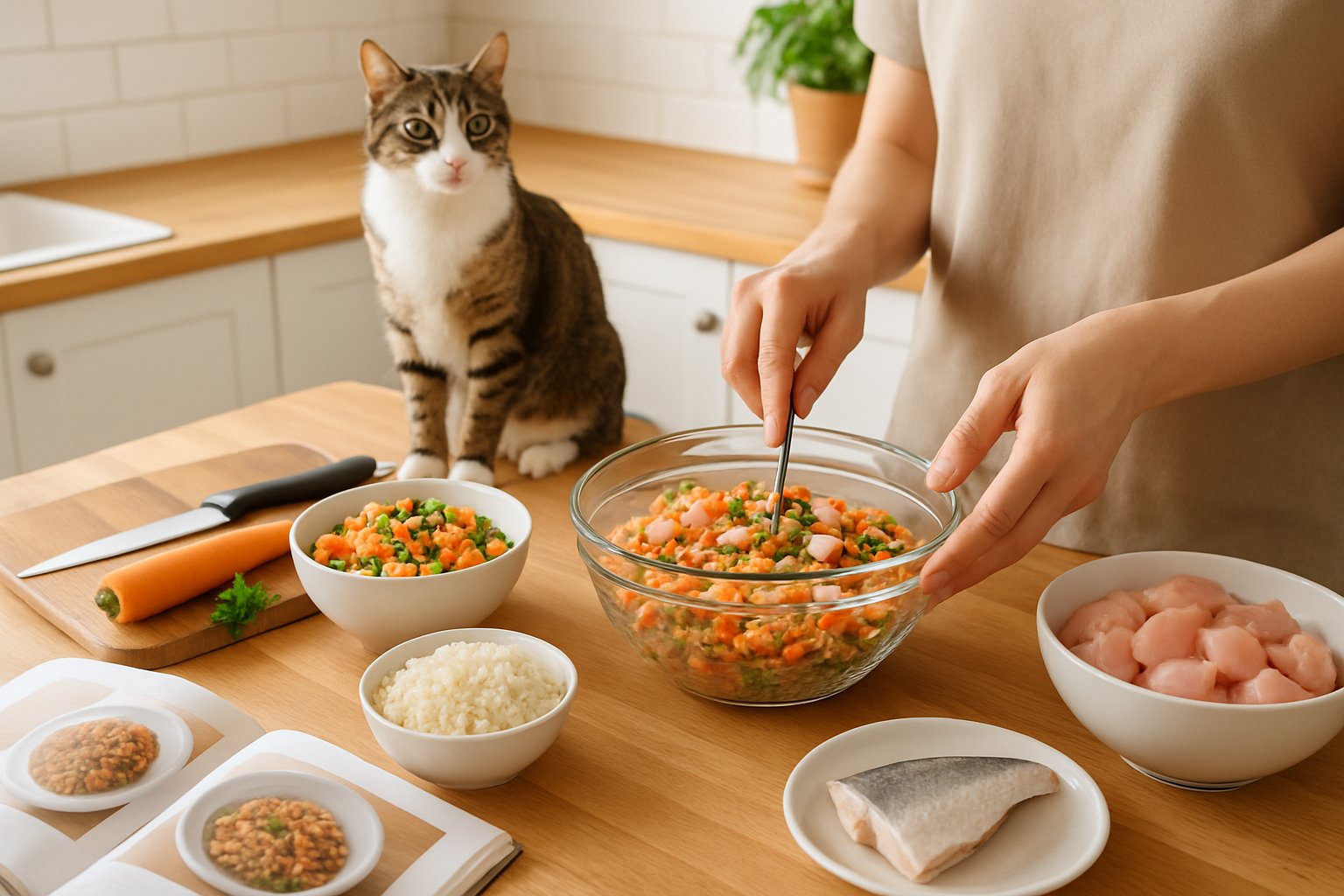
Making homemade cat food brings up a million questions. Is it balanced? Are the ingredients safe? Can kitchen recipes really meet your cat’s needs?
What’s in a balanced cat food recipe that I can make at home to keep my furry buddy purring?
A balanced homemade cat food needs three things: good animal protein, essential fats, and the right vitamins and minerals. For adults, that’s at least 26% protein, and for kittens, 30%—all on a dry matter basis.
I always start with muscle meat like chicken, turkey, or beef. Then I add organ meats (especially liver) for vitamin A and nutrients cats just can’t get elsewhere.
Here’s the tricky part: You’ll need a commercial supplement made for homemade cat food. Most homemade recipes miss key nutrients like taurine, calcium, and B vitamins unless you add a premix.
EZComplete Fur Cats, Alnutrin, and Balance IT Feline are all good supplement options. They fill the gaps that whole foods just can’t cover.
Don’t forget healthy fats like fish oil or chicken fat. Cats need at least 9% fat for energy and a shiny coat.
Have you wondered how to craft a homemade feast for your indoor cat that meets all their needs?
Indoor cats have different needs than outdoor hunters. They’re less active, so portion control is everything if you want to avoid a chubby cat.
I stick to lean proteins like skinless chicken breast or turkey for my indoor cats. They need fewer calories but still lots of protein.
Indoor cats also need extra fiber to help with hairballs and digestion. I toss in a bit of pumpkin or green beans—about 5% of the recipe.
Hydration matters more for indoor cats. I make sure their food is nice and moist, or I add extra water to make a stew.
Definitely ask your vet about portions. Indoor cats usually need 20-30% fewer calories than outdoor ones.
Do you know the staples of a vet-approved, nutritious wet cat food you can whip up in your kitchen?
Vet-approved homemade wet food starts with 75-80% animal protein from muscle meat and organs. I use chicken thighs, beef heart, or turkey for the base.
The “wet” part comes from cooking methods that keep in moisture. I slow-cook meats with water or bone broth for natural gravy.
Must-haves:
Muscle meat (chicken, turkey, beef)
Organ meat (liver, kidney, heart)
Commercial vitamin/mineral premix
Healthy fats (fish oil, chicken fat)
Optional: small amounts of veggies
Veterinary nutritionists recommend working with a pro to tailor recipes for your cat’s needs.
I cook everything thoroughly and store portions in the fridge for 3 days, or freeze them for longer.
Searching for a pocket-friendly homemade cat food strategy? What essentials do you really need?
Homemade cat food can save you money if you’re smart about it. I go for affordable proteins like chicken leg quarters, turkey necks, or beef heart—way cheaper than fancy cuts.
Gear you actually need:
Large slow cooker ($30-50)
Food processor or grinder ($40-80)
Kitchen scale ($15-25)
Storage containers ($20-30)
The main ongoing cost is the vitamin supplement—usually $20-40 a month, depending on how much you’re making.
I buy meat in bulk when it’s on sale and freeze it. Chicken leg quarters can be under $1 a pound, so homemade food ends up cheaper than fancy canned stuff.
Skip the expensive “pet-grade” labels. Grocery store meat is perfect and costs less.
Ever thought about what should top your list when picking ingredients for a homemade chicken cat food dish?
Dark meat chicken should be your go-to—thighs and drumsticks have more fat and flavor than breasts. Cats need that extra fat for energy and taste.
I always add chicken liver. It’s packed with vitamin A, iron, and other essentials. Just keep it to about 5% of the recipe—too much isn’t good.
Chicken hearts are another favorite. They’re muscle meat but loaded with taurine, which cats absolutely need.
For cooking liquid, I use low-sodium chicken broth or plain water. Never add onions, garlic, or any seasoning—those can be dangerous for cats.
About bones: Never give cooked chicken bones to cats—they splinter. If you want to add bone meal for calcium, buy it already ground or talk to a vet nutritionist.
Is your cat’s taste buds begging for variety? What are some tested and loved homemade cat food recipes to shake up their menu?
I’ve got a handful of go-to recipes that my cats can’t seem to get enough of.
Recipe 1: Simple Turkey Delight
I slow-cook about 2 pounds of ground turkey with water. Once it’s cooled, I stir in EZComplete premix.
It takes a good 4-6 hours in the crockpot, but the batch lasts for weeks.
Recipe 2: Salmon Sunday Special
I bake salmon with sweet potato and add a splash of fish oil. Those omega-3s really do wonders for their coats—I’ve noticed it myself.
Recipe 3: Beef and Liver Power Bowl
I cook up ground beef with chicken liver and toss in a little pumpkin. It seems perfect for my more energetic cats.
Research shows variety prevents nutritional gaps that can happen when feeding the same ingredients constantly.
I like to rotate these recipes each week. Maybe turkey on Monday, salmon on Wednesday, beef on Friday—just mixing it up keeps things interesting for them.
When I introduce a new recipe, I usually mix about 25% new food with 75% of what they’re used to for a few days. Seems to go over well and avoids any upset tummies.