

Your puppy’s been thriving on that nutrient-packed puppy food for months now. But lately, you’ve probably wondered if it’s time to make a change.
Most puppies should switch to adult dog food between 12 to 24 months of age, depending on their breed size. Small breeds usually transition around 9 to 12 months, while large breeds wait until 18 to 24 months.
Getting this timing right matters more than you might think.
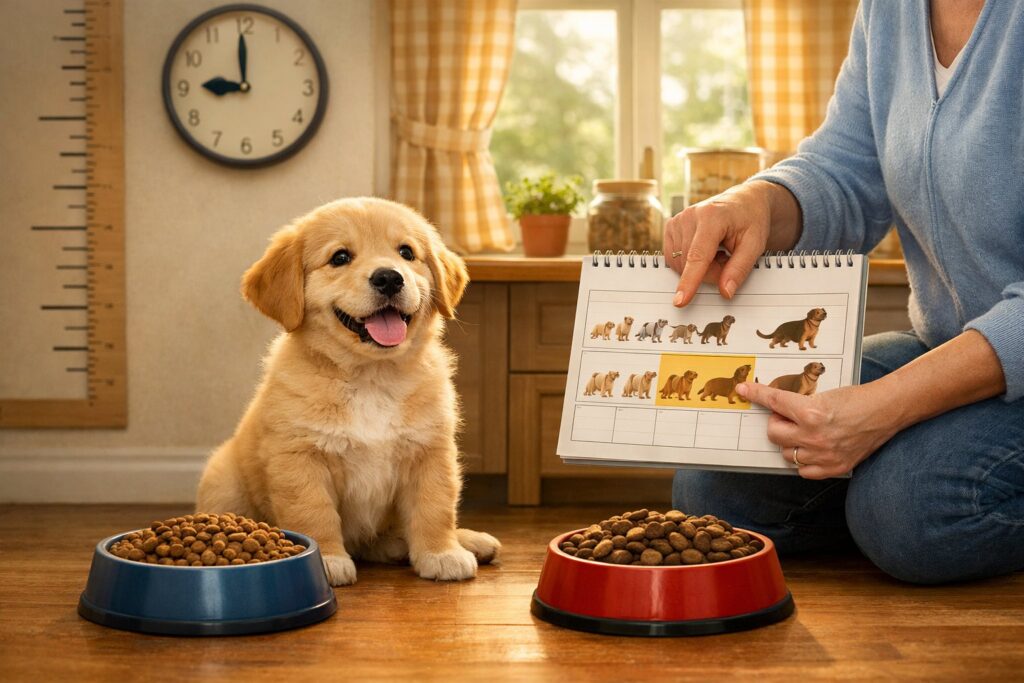
Standing in the pet food aisle, trying to decode labels and transition timelines, can be pretty confusing. Some breeders recommend switching to adult foods early to avoid growth problems.
Others insist on sticking with puppy formulas longer. The truth? The right timing depends on your dog’s unique needs.
What I’m about to share should help you figure out when your pup’s ready for the switch. You’ll get tips for making the transition without upsetting their stomach and what to look for in quality adult food.
You’ll also learn the real differences between puppy and adult formulas. Plus, I’ll give you a step-by-step plan that takes the stress out of this important milestone.
When to Switch Puppy to Adult Food – Key Takeaways
- The right time to switch depends on your dog’s breed size. Smaller breeds transition earlier than larger breeds.
- Puppy and adult foods differ in calories, protein, and nutrients designed for different life stages.
- A gradual transition over 7 to 10 days prevents digestive upset and helps your dog adjust to their new food.
Figuring Out the Right Time to Switch
Knowing when to switch to adult dog food depends mostly on your puppy’s breed size and age. Physical signs like growth plate closure and adult teeth also matter.
Most small breed puppies are ready between 9-12 months. Large breeds need puppy food until 18-24 months.
Why Age and Breed Size Matter Most
I’ve seen so many pet parents stress about when to switch to adult dog food. Here’s what really matters: your puppy’s breed size is the biggest factor.
Small breed dogs (under 20 pounds) grow fast and reach maturity around 9-12 months. Think Chihuahuas, Yorkies, and Pomeranians.
Their little bodies finish developing quickly, so they’re ready for adult food sooner. Medium breeds (20-50 pounds) like Beagles and Cocker Spaniels typically switch around 12 months.
Large breeds (50-80 pounds) such as Labradors need until 12-15 months. Giant breeds like Great Danes? They’re the slowest growers and shouldn’t switch until 18-24 months.
Here’s a quick breakdown:
| Breed Size | Adult Weight | Switch Time |
|---|---|---|
| Small | Under 20 lbs | 9-12 months |
| Medium | 20-50 lbs | 12 months |
| Large | 50-80 lbs | 12-15 months |
| Giant | 80+ lbs | 18-24 months |
Puppy food has more calories and nutrients to fuel rapid growth. Switch too early, and large breed puppies might develop joint problems.
Wait too long with small breeds, and you risk unnecessary weight gain. It’s a balancing act for sure.
Key Signs Your Puppy Is Ready for Adult Food
Let’s be real—age alone doesn’t tell the whole story. I look for specific signs that tell me a puppy’s body is truly ready.
Weight stability is your first clue. When your puppy stops gaining weight rapidly and maintains a steady size for 2-3 weeks, their growth spurt is ending.
You’ll notice they’re not constantly hungry like before. Energy changes happen too.
Puppies ready for adult food often calm down just a bit. They still play, but that frantic puppy energy mellows out.
Body proportions shift from gangly puppy to balanced adult. Their legs don’t look too long for their body anymore.
Their chest fills out, and they look more proportionate overall. I always recommend checking with your vet before making the switch.
They can assess puppy food preferences and growth patterns specific to your dog’s needs. Watch your pup’s appetite carefully.
If they start leaving food in their bowl regularly or seem less interested in meals, their calorie needs might be changing. That’s a signal their body is ready for adult food.
Growth Plate, Weight, and Teeth Clues
Growth plates close at different times depending on breed size. This matters more than most pet parents realize.
Growth plates are soft areas at the ends of bones where growth happens. X-rays can confirm when they’ve closed, but you don’t always need them.
Small breeds’ growth plates typically close around 9-11 months. Large and giant breeds take much longer—sometimes up to 18-24 months.
Here’s what I watch for:
- Adult teeth: All permanent teeth should be in (usually by 6-8 months)
- Weight plateau: No significant weight gain for several weeks
- Vet confirmation: A physical exam showing skeletal maturity
Your puppy’s teeth are an easy marker. By 6-8 months, all 42 adult teeth should have replaced baby teeth.
While this happens before most puppies switch food, it shows physical maturity is progressing. Frequent weight checks during neonatal and pediatric care help you track growth patterns.
I weigh puppies weekly until 6 months, then every two weeks. If you’re unsure, ask your vet to palpate your puppy’s bones.
They can feel whether growth plates are closing. This is especially important for large breeds prone to joint issues—switching too early can cause problems that last a lifetime.
How Puppy and Adult Dog Food Actually Differ
The nutritional gap between puppy and adult dog food isn’t just marketing—it’s biology. Puppies need specific levels of protein, fat, and essential nutrients to fuel rapid growth.
Adult dogs require a maintenance diet that prevents overfeeding and weight gain. That’s a big difference, honestly.
Protein, Calories, and Growth Nutrients
I’ve seen too many pet parents assume all dog food is basically the same. It’s not.
Puppy food packs more calories and protein than adult formulas. Growing dogs need this extra fuel to build muscle, bone, and organ tissue during their first year.
Most puppy diets contain 22-32% protein. Adult dog food typically sits around 18-25%.
Here’s what sets puppy food apart:
- Higher fat content (usually 8-20% vs. 5-15% in adult food)
- Essential fatty acids like DHA and EPA for brain and vision development
- Elevated calcium and phosphorus for bone growth
- More calories per cup to support their metabolism
The European Pet Food Industry Federation sets specific standards for puppy nutrition. These guidelines require five polyunsaturated fatty acids in growth formulas.
But only linoleic acid remains essential once your dog reaches maturity. I always tell people: think of puppy food as high-octane fuel.
Your growing pup needs that extra power. But an adult dog on the same diet? That’s a recipe for obesity.
Why Not Switching Can Cause Issues
Keeping your adult dog on puppy food creates real problems fast. The excess calories mean weight gain—sometimes rapid.
I’ve watched healthy dogs balloon up because their owners didn’t realize the food was designed for growth, not maintenance. Those extra pounds strain joints, stress the heart, and increase diabetes risk.
The calcium issue worries me most. Large breed puppies need controlled calcium to prevent joint problems.
But adult dogs eating puppy food get too much, which can contribute to bladder stones and other health complications. Your dog’s preferences might work against you too.
Research shows puppies raised on varied diets maintain those food preferences into adulthood. If your adult dog loves that rich puppy formula, switching becomes harder the longer you wait.
The metabolic shift matters. Adult dogs simply don’t burn calories like puppies do.
What fueled growth at six months becomes stored fat at two years. It’s a sneaky change if you’re not watching.
Adult Dog Food Labels: What to Look For
Reading dog food labels feels like decoding a foreign language sometimes. Let me simplify it.
Complete and balanced adult dog food must meet specific standards. In Europe, that means FEDIAF guidelines.
In the U.S., it’s AAFCO standards. Both make sure the formula provides minimum nutrient levels without deficiencies.
Look for this phrase: “complete and balanced for adult maintenance.” That’s your green light.
If it says “for all life stages,” it meets puppy requirements—which means it’s probably too rich for your adult dog. Key label checkpoints:
- Protein: 18-25% for most adult dogs
- Fat: 5-15% (lower than puppy food)
- Calorie content: Usually 300-400 kcal per cup
- Life stage clearly marked: Adult, senior, or maintenance
I always check the guaranteed analysis panel. It shows minimum protein and fat percentages, plus maximum fiber and moisture.
Compare these numbers to your puppy food bag—you’ll see the difference immediately. One study found that some commercial puppy foods don’t match their label claims, with discrepancies between stated and actual nutrient values reaching 40%.
That’s why choosing reputable brands matters for both puppy and adult formulas. Don’t assume expensive means better.
Focus on complete and balanced adult dog food from manufacturers who follow feeding guidelines and test their products. Your vet can recommend specific brands based on your dog’s breed, size, and activity level.
Making the Switch: The Stress-Free Transition Plan
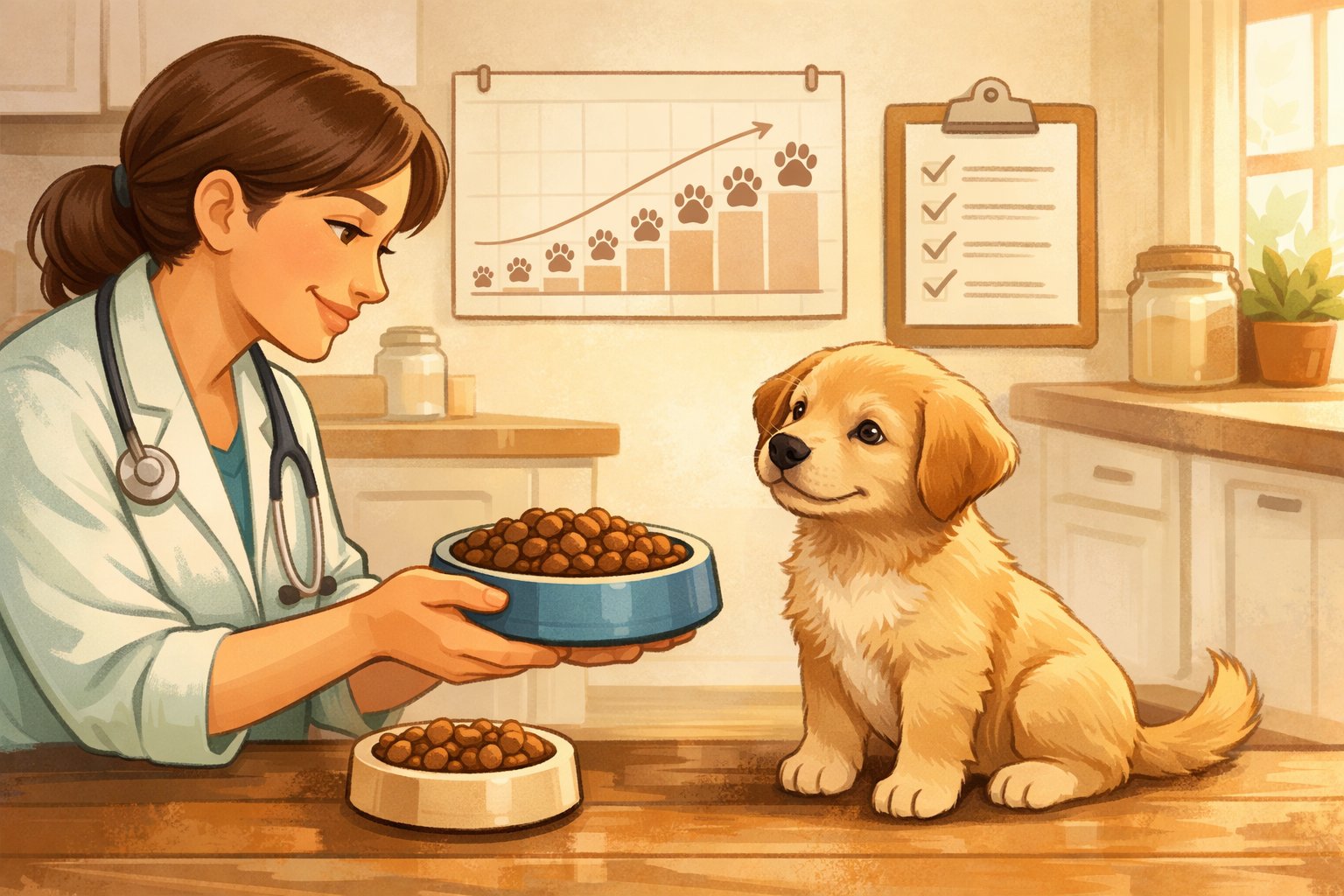
Switching your puppy to adult food doesn’t have to be a headache. If you follow a gradual plan and pay attention to your dog’s reactions, you’ll make things much easier on both of you.
Honestly, taking it slow and letting your puppy guide you makes a world of difference. Rushing usually just leads to tummy troubles, and nobody wants that.
Step-by-Step Transition Timeline
I recommend a 7 to 10-day transition when moving from puppy to adult food. That way, your dog’s digestive system has time to get used to the change.
Days 1-3: Mix 25% adult dog food with 75% puppy food. Watch how your pup reacts before you move to the next step.
Days 4-6: Go to a 50/50 mix of adult and puppy food. Most dogs start accepting the new taste and texture right about here.
Days 7-9: Increase to 75% adult food and 25% puppy food. You’re almost done.
Day 10: If things are going well, switch to 100% adult food.
If your puppy gets an upset stomach at any point, just slow things down. There’s no rush—some dogs need two weeks, and that’s totally normal.
I always mix the foods in the same bowl. That way, your puppy can’t just pick out the old food and ignore the new stuff (little tricksters, right?).
How to Spot & Solve Digestive Issues
Your puppy will let you know if the switch is too fast. I keep an eye out for a few classic warning signs.
Diarrhea or loose stools are common. If you see this, stick with the previous ratio for a couple of days before trying to move forward again.
Vomiting means it’s time to backtrack. Add more puppy food to the mix and slow down.
Gas and bloating suggest that the new food might not agree with your pup. You might want to try a different adult dog food with simpler ingredients.
Loss of appetite could just mean your dog doesn’t like the taste. Try switching brands or flavors before you give up on the transition entirely.
Setting up a stress-free environment at mealtime helps your puppy focus on eating, not on changes.
If your puppy’s digestive problems last more than a few days, call your vet. Some pups just have sensitive stomachs and need extra help when changing from one feeding approach to another.
Tweaking Portions and Meal Schedules
Adult dog food usually has more calories than puppy food, so portion sizes need adjusting. I always check the feeding guidelines on the new bag to start.
Most puppies eat three meals a day. Adult dogs, though, usually thrive on two meals. Here’s what I do:
Week 1 of transition: Stick to three meals a day while you change the food type. Don’t overwhelm your pup with too many changes at once.
Week 2: Once your dog is eating only adult food, combine the smallest meal (usually lunch) into breakfast or dinner.
Week 3: Settle into two meals a day, adjusting portions as needed.
Measure food with a standard measuring cup. Adult food often looks like less in the bowl because it’s more calorie-dense.
I check my dog’s body condition every week by running my hands along their ribs. You should feel ribs easily, but not see them sharply. If your puppy gains too much weight, drop portions by 10%. If they’re losing weight, bump it up by 10%.
Always keep fresh water out, especially during food transitions. Some adult foods have different moisture levels than puppy formulas.
Finding the Best Adult Food and Next Steps
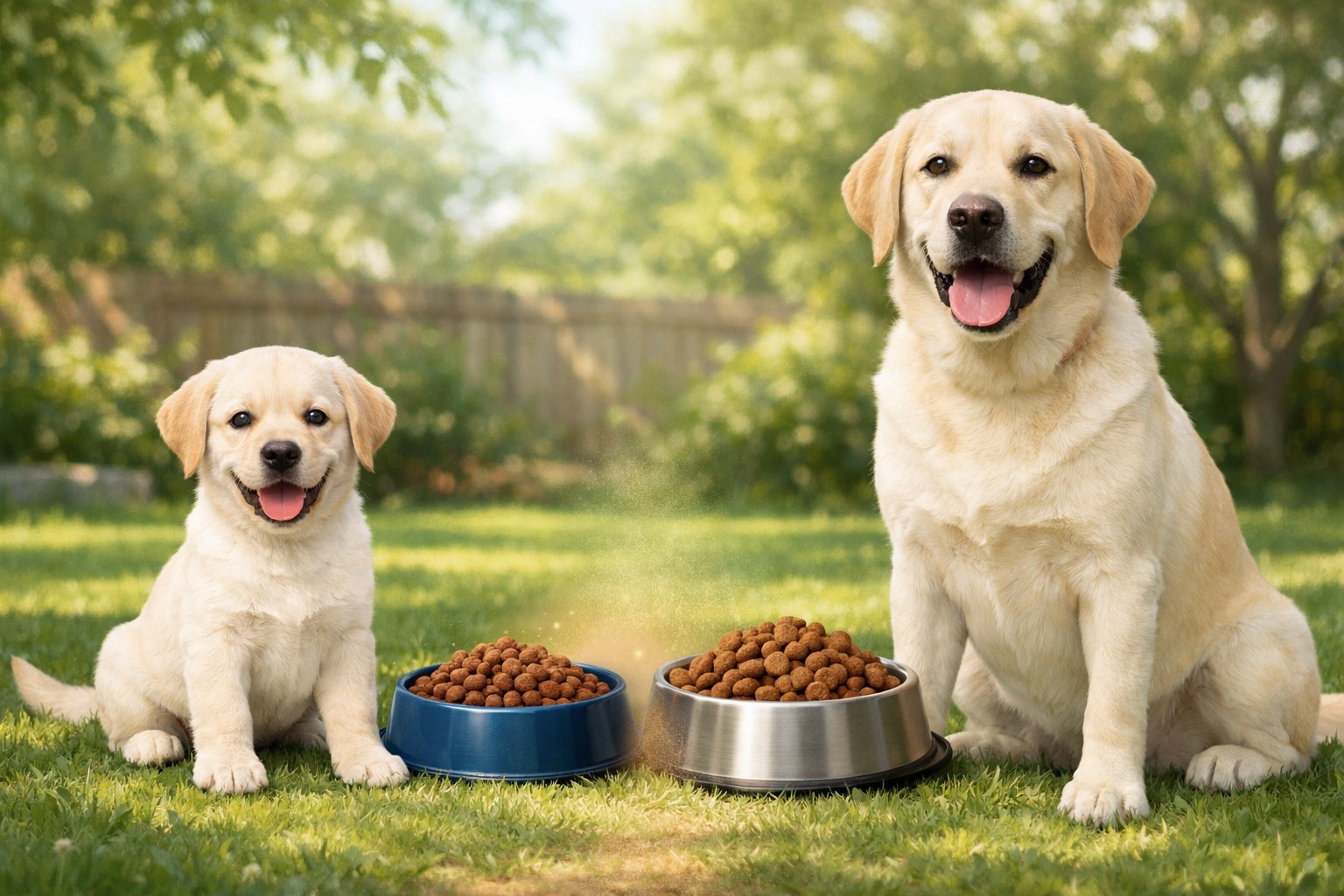
Once you’ve made the switch, the next step is picking an adult dog food that actually helps your dog’s health long-term. In my experience, the best adult dog food isn’t about flashy packaging or trendy buzzwords—it’s about what fits your dog’s needs and meets real nutritional standards.
Picking Quality Over Hype
I’ve watched so many pet parents grab bags just because they say “premium” or “natural” on the front. But honestly, marketing buzzwords don’t guarantee good nutrition.
I look for AAFCO nutrient profiles for adult maintenance. That tells me the food meets solid nutritional standards for adult dogs. I also scan the ingredient list—real meat or meat meal should be near the top, not corn or wheat.
I avoid foods with wild health claims and no real proof. If a brand promises to cure allergies or add years to your dog’s life, I’m skeptical. Good nutrition doesn’t need hype.
Special Diets and Trendy Picks
Grain-free, raw, “natural”—I’ve seen every trend come and go. Some dogs really do need special diets for allergies or sensitivities, but most don’t.
Research on natural pet food shows these diets can work for healthy adult dogs, but they’re not automatically better. I’ve also noticed that dogs often keep their food preferences from puppyhood into adulthood, so switching to something totally different can backfire.
If you’re eyeing a trendy diet, ask yourself: does my dog really need this, or am I just falling for marketing? Special diets are for real problems, not just trends.
Checking in With Your Vet
Before I settle on any adult dog food, I check with my vet. They know my dog’s health history and what might affect nutrition.
Your vet can help figure out if your dog needs extra support for things like joints, weight, or skin. They catch ingredient red flags I might miss. If you’re thinking about switching feeding practices, your vet can walk you through it safely.
I usually book a check-up around the time I switch to adult food. It’s a good time to talk nutrition, check weight, and make sure the transition went well.
Frequently Asked Questions
Switching from puppy to adult food brings up plenty of questions. The timing really depends on your dog’s breed size, growth rate, and individual quirks.
Noticing your Labrador’s growth spurt tapering off? Wondering if it’s time to make the switch from puppy chow?
I’ve seen plenty of Lab owners get stuck on this. Your Labrador usually needs adult food around 12 to 15 months old—right when most medium to large breeds reach their adult size.
Look for these signs: your Lab’s growth slows, they’re not gaining weight so quickly, and their energy levels even out. If you keep feeding puppy food after this, you might end up overfeeding since puppy formulas are loaded with extra calories and fat.
Your vet can check your Lab’s body condition to confirm if they’ve hit adult weight. The switch helps prevent extra weight that can stress joints and cause health problems later.
Let’s be real: what are the clear signs that your Golden Retriever is ready to transition to adult dog food?
Golden Retrievers usually need adult food between 12 and 18 months. I always tell Golden parents to focus on their dog’s physical changes, not just the calendar.
Your Golden is ready when they’re at least 90% of their expected adult size. You’ll see the puppy fluff turn into an adult coat, and their body fills out.
Another clue? They’re less hungry at meals and might even leave food behind. That happens because their calorie needs drop as growth slows, and puppy food preferences can stick around even as nutritional needs change.
Got a small but mighty Shih Tzu at home? When should their meal plan step up to adult portions?
Small breeds like Shih Tzus grow up much faster than big dogs. I suggest switching your Shih Tzu to adult food between 9 and 12 months.
Tiny breeds hit their full size sooner, so they don’t need calorie-packed puppy food for as long. Your Shih Tzu is ready when they’ve stopped getting taller and their weight stays steady for a few weeks.
Remember, small dogs have faster metabolisms and different needs than large breeds. The right time to switch really depends on size—don’t compare your Shih Tzu’s schedule to your neighbor’s Great Dane.
Does your pup’s breed size impact the timing for their diet change? What should large breed dog owners know?
Here’s the kicker: breed size really does change when you should switch foods. Large and giant breed puppies usually need puppy food until they’re 18 to 24 months old.
Rushing this transition with big dogs? Not a great idea. Their longer growth period means their bones and joints rely on specific nutrient ratios to grow the right way.
Large breed puppy formulas contain controlled calcium and phosphorus levels to slow down growth and help avoid joint issues. If you switch too soon, your Great Dane or Mastiff could miss out on these nutrients during their long puppy phase.
Small breeds mature by 9 to 12 months. Medium breeds take about 12 to 15 months. Large breeds? Sometimes not until 18 months or even later.
If you’re not sure, just ask your vet to check your dog’s growth plates. They’ll know what’s up.
Ever ponder over the right moment to cut down your puppy’s meals to twice a day? What’s the scoop on this?
Most puppies can drop to two meals a day around 6 months old. Some might need three meals a bit longer, and that’s totally fine.
Young puppies need frequent small meals since their stomachs are tiny and their blood sugar can dip fast. By 6 months, most can handle larger portions with more time between meals.
But every pup’s different. If your dog seems extra hungry or gets wild between meals, stick with three for now. No need to rush it.
The switch to twice-daily feeding usually comes before you move to adult food. This schedule shift is about how much their stomach can handle and their energy needs, not the type of food in the bowl.
Peeking at a dog food age chart and feeling puzzled? How can you use it to guide your pup’s dietary milestones?
Dog food age charts give you a helpful starting point, but honestly, they’re just guidelines—not hard rules. I treat them like a roadmap, but I still pay close attention to my dog’s unique pace and quirks.
Most charts break down feeding advice by breed size and age. You’ll notice ranges like “small breeds: 9-12 months” or “large breeds: 18-24 months” for the switch to adult food.
Some charts also talk about meal frequency, portion sizes, and what to look out for at different stages. The better ones factor in your dog’s activity level and body condition, not just how old they are.
Still, your vet knows your specific dog way better than any chart ever could. If your pup grows faster or slower than average, or has health issues, their advice should take priority over a generic timeline.


