

Many dog owners wonder if switching to a raw diet could unlock better health for their furry friend.
Raw diets for dogs can offer benefits like improved coat shine, better digestion, and increased energy, though scientific evidence remains limited and risks must be carefully managed.
The idea of feeding dogs like their wild ancestors appeals to pet parents who want more natural nutrition options.
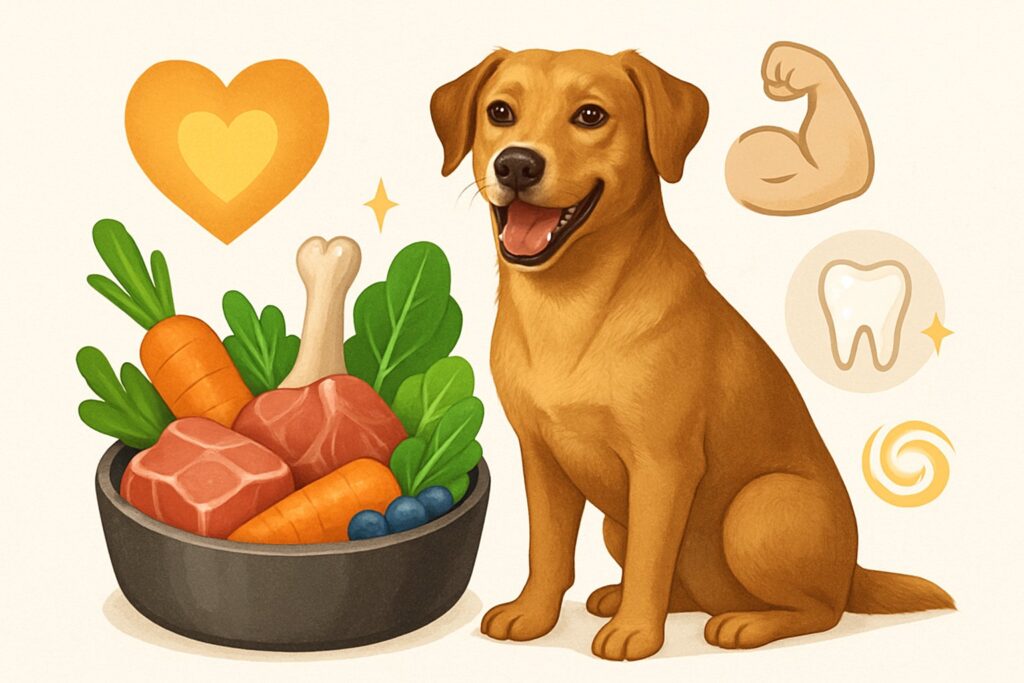
Table of Contents
I’ve watched this trend grow as more owners question processed kibble and look for alternatives.
Current research shows mixed results on raw feeding benefits. Some studies find improved stool quality and altered gut bacteria, but many claimed health benefits remain anecdotal without strong scientific backing.
What I find most important is understanding both sides of this debate.
Raw feeding comes with real considerations including potential bacterial contamination risks and nutritional balance challenges.
You’ll discover the complete picture of raw diet benefits, how to build balanced meals, and practical safety tips that help you make the best choice for your dog.
Key Takeaways
- Raw diets may improve coat quality and digestion but lack strong scientific evidence for many claimed benefits
- Proper meal planning and safety protocols are essential to avoid nutritional imbalances and bacterial risks
- Consulting your veterinarian before switching helps ensure raw feeding suits your individual dog’s needs
Why Raw Diets for Dogs Are Gaining Attention
Raw diets for dogs have exploded in popularity as pet parents seek more natural feeding options beyond traditional kibble.
The movement centers around providing dogs with uncooked meat, bones, and vegetables that mirror what their wild ancestors consumed.
What Makes a Raw Diet Different?
If you’ve ever wondered why your dog seems more excited about that dropped piece of chicken than their regular kibble, you’re witnessing something primal.
Raw diets for dogs completely flip the script on conventional pet food by serving meals in their natural, uncooked state.
Here’s what sets a raw food diet for dogs apart from kibble:
- No cooking process that destroys natural enzymes and nutrients
- Fresh, whole ingredients like raw meat, organs, bones, and vegetables
- Higher moisture content compared to dry kibble
- Minimal processing without artificial preservatives or fillers
I’ve noticed that raw feeders often report their dogs drinking less water. That makes sense when you consider kibble contains only about 10% moisture while raw meat contains roughly 70%.
The texture difference is huge too.
Instead of crunching through processed pellets, dogs tear into meat and gnaw on bones—exactly what their teeth were designed for.
The Origins of Raw Feeding and BARF
Let’s be real—the raw feeding movement didn’t start with fancy pet stores selling frozen patties.
It began with a simple question: what did dogs eat before we invented kibble?
Australian veterinarian Ian Billinghurst sparked the modern movement in the 1990s with his biologically appropriate raw food (BARF) diet concept.
He argued that dogs would thrive on the same foods their wolf ancestors consumed for thousands of years.
The BARF diet typically includes:
- Raw meaty bones (60% of the diet)
- Muscle meat and organs (25% of the diet)
- Vegetables and fruits (15% of the diet)
Google searches for “raw dog food” have quadrupled over the last 10 years, showing just how much interest has grown.
What started as a small movement among dedicated pet parents has become a multi-million dollar industry.
I find it fascinating that this “new” approach is actually the oldest way to feed dogs.
We’re essentially going back to basics.
Debunking Common Raw Food Myths
You’ve probably heard someone say raw diets are dangerous or unbalanced.
Let me address the biggest myths that keep popping up in online discussions.
Myth 1: Raw meat makes dogs aggressive
This one makes me chuckle.
There’s zero scientific evidence linking raw dog food diet to behavioral changes.
Dogs eating raw aren’t suddenly turning into wild animals.
Myth 2: Dogs can’t digest raw bones
Actually, dogs have highly acidic stomachs (pH 1-2) specifically designed to break down raw bones safely.
It’s cooked bones that become brittle and dangerous.
Myth 3: Raw diets are automatically unbalanced
Raw feeding requires careful planning, but so does any proper diet.
Many commercial raw foods are formulated to meet nutritional standards, just like quality kibble.
Myth 4: Raw feeding is too expensive
While premium raw foods cost more upfront, many raw feeders buy in bulk or source directly from local farms to reduce costs.
The key is getting accurate information rather than relying on outdated assumptions about raw feeding practices.
Core Benefits of a Raw Diet for Dogs
When I switched my dog to raw feeding, I noticed changes within weeks that honestly surprised me.
Raw dog food diets deliver three game-changing benefits that most pet parents see first: healthier skin and coat, better digestion with smaller stools, and fresher breath with cleaner teeth.
Healthier Skin and Shinier Coat
I’ll be real with you—if your dog’s coat looks dull or they’re constantly scratching, their kibble might be the culprit.
Raw meat diets are packed with natural omega-3 fatty acids that work like magic for skin and coat health.
Here’s what happens when you make the switch:
Week 1-2: Less scratching and itching
Week 3-4: Softer, shinier coat texture
Month 2+: Noticeably healthier skin and lustrous fur
The difference comes down to bioavailable nutrients.
Raw pet food contains essential fatty acids in their natural form—not the processed versions found in commercial kibble.
I’ve seen dogs with chronic skin issues improve dramatically on a raw food diet for dogs.
Key nutrients that make the difference:
- Omega-3s from fish and grass-fed meats
- Zinc for skin repair and healing
- Vitamin E as a natural antioxidant
- High-quality proteins for coat structure
Your dog’s skin is their largest organ.
When you feed them species-appropriate nutrition, it shows.
Digestive Boost and Smaller Stools
Ever wondered why your dog’s poop is so huge?
Commercial kibble is loaded with fillers and carbs that dogs can’t fully digest.
Raw feeding flips this script completely.
When I transitioned my pup to a raw meat diet, his stool volume dropped by about 60%.
That’s not just convenient—it’s a sign of better nutrient absorption.
What raw diet for dogs does for digestion:
- Better nutrient absorption = less waste
- Natural enzymes support gut health
- No grain fillers means easier processing
- Improved gut bacteria balance
Research shows that raw meat-based diets can significantly improve digestive efficiency.
Your dog’s body is designed to process raw meat, bones, and organs—not corn and wheat.
Signs of improved digestion on raw:
- Smaller, firmer stools
- Less gas and bloating
- Better appetite consistency
- More energy after meals
The transformation usually happens within the first month of consistent raw feeding.
Fresher Breath and Cleaner Teeth
If your dog’s breath could knock you over, listen up.
Raw dog food diet naturally cleans teeth and freshens breath—no fancy dental chews required.
Here’s the science: raw meaty bones act like nature’s toothbrush.
The chewing action scrapes away plaque while the natural enzymes in raw meat help maintain healthy mouth bacteria.
Dental benefits I’ve observed:
| Timeframe | What You’ll Notice |
|---|---|
| Week 1-2 | Fresher breath, less mouth odor |
| Month 1 | Whiter teeth, less tartar buildup |
| Month 2+ | Healthier gums, stronger teeth |
Why raw beats kibble for dental health:
- Natural chewing action cleans teeth
- No sugary additives that feed bad bacteria
- Raw bones safely scrape plaque away
- Natural enzymes support oral health
Studies on canine nutrition show that dogs eating raw diets have significantly less dental disease than kibble-fed dogs.
The key is offering appropriately-sized raw bones.
I give my dog beef knuckle bones twice weekly—his teeth stay naturally clean and his breath stays fresh.
Remember: start slowly when transitioning to raw pet food.
Your dog’s digestive system needs time to adjust to processing this species-appropriate nutrition.
Building a Balanced Raw Dog Food Diet
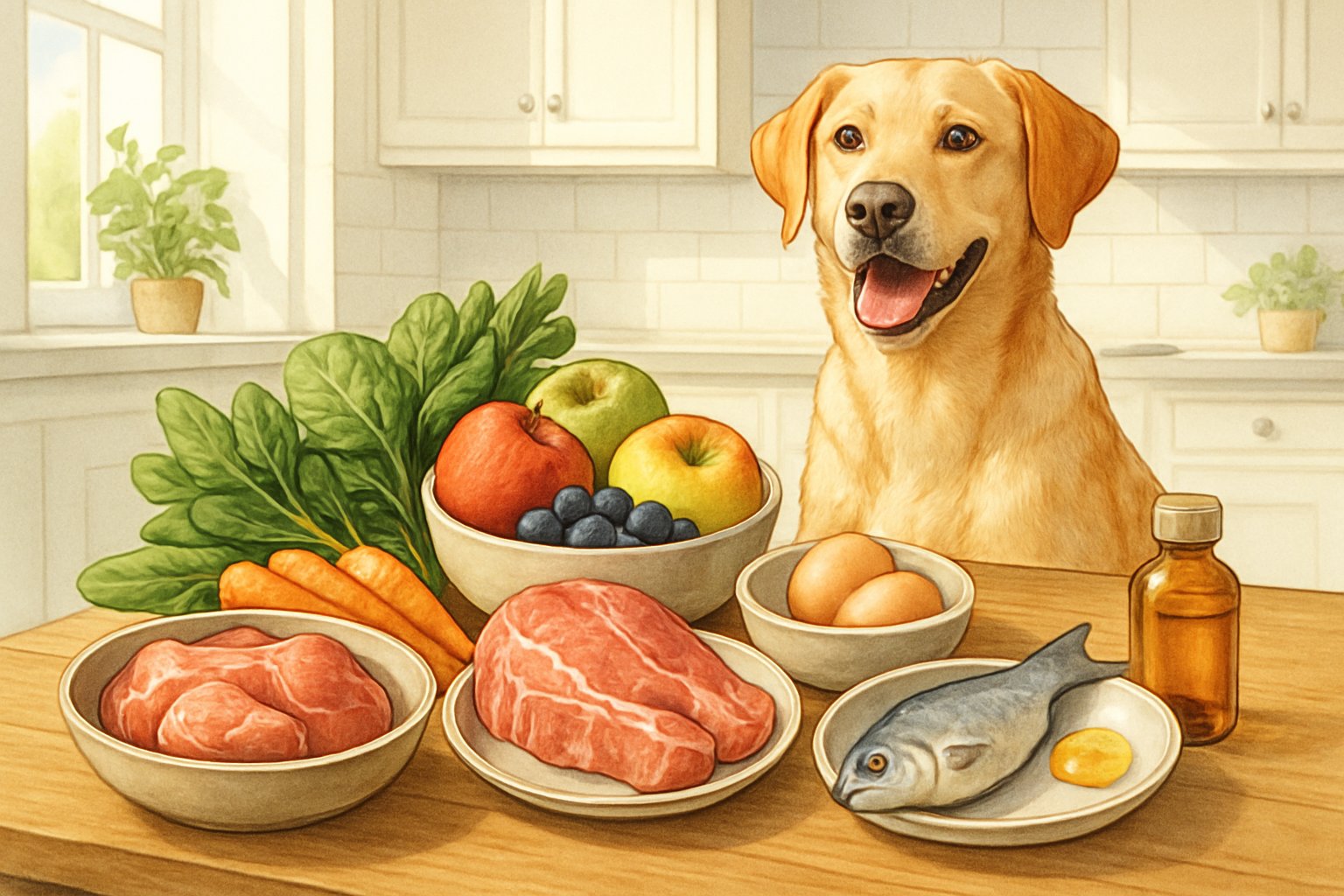
Creating a balanced raw diet means understanding the three essential components your dog needs every day.
I’ve found that proper sourcing and safe handling make all the difference between a healthy meal and potential problems.
Key Components: Muscle, Organ Meat, and Bones
Let’s be real — muscle meat should make up about 70-80% of your dog’s raw diet. Think chicken thighs, beef chuck, or turkey breast.
This protein powerhouse gives your pup the amino acids they need for strong muscles and energy.
Organ meats are where the magic happens. I call them nature’s multivitamins because they’re packed with vitamins A, B, and iron.
Your dog needs about 10-15% organ meat in their daily meals. Liver should be your go-to organ meat — it’s like a nutritional goldmine.
But don’t stop there. Heart, kidney, and spleen add variety and different nutrients.
Raw meaty bones complete the picture at 10-15% of the diet. These aren’t just treats — they’re calcium sources and natural toothbrushes.
Chicken necks, beef ribs, and lamb bones work perfectly. Here’s what I recommend for a 50-pound dog’s daily portions:
| Component | Percentage | Amount (50lb dog) |
|---|---|---|
| Muscle meat | 70-80% | 14-16 oz |
| Organ meat | 10-15% | 2-3 oz |
| Raw meaty bones | 10-15% | 2-3 oz |
Sourcing and Handling Ingredients Safely
I get my ingredients from trusted butchers or pet-specific suppliers who understand raw diets for dogs. Local farms often sell organ meats cheaply since most folks don’t want them.
Storage is everything. I freeze portions in daily meal sizes as soon as I get them home.
This kills potential parasites and makes feeding time a breeze. When I’m handling raw ingredients, I treat them like I’m prepping my own dinner.
Separate cutting boards, immediate cleanup, and lots of hand washing keep cross-contamination at bay. Thaw safely by moving frozen portions to the fridge 12-24 hours before feeding.
Never use warm water or let meat sit on the counter — bacteria love room temperature. I usually prep a week’s worth of meals at once, portioning everything into containers.
This biologically appropriate raw food approach saves time and keeps things consistent. Your freezer becomes your best friend, trust me.
I keep at least two weeks of meals frozen and rotate stock so nothing gets freezer burn.
Practical Tips and Cautions for Raw Feeding
Making the switch to raw pet food takes planning and a bit of caution. I’ll walk you through the key steps for transitioning safely and flag a few risks you should know about.
How to Transition Your Dog to Raw
Start slow — that’s my number one rule for switching to a raw diet for dogs. Your pup’s digestive system needs time to adjust to this dramatic change.
I recommend a 7-14 day transition period. Here’s what I usually suggest:
Days 1-3: Mix 25% raw food with 75% current food.
Days 4-7: Go 50/50 with both diets.
Days 8-10: Increase to 75% raw, 25% old food.
Days 11-14: Complete the switch to 100% raw.
Watch your dog’s stool during this period. Loose stools are normal at first, but they should firm up within a week.
Pro tip: Start with one protein source like chicken or beef. I’ve seen too many owners get excited and mix multiple proteins right away, which can upset sensitive stomachs.
Some dogs transition faster than others. If your pup seems to handle the change well, you can speed things up.
If not, slow it down — there’s no rush.
Spotting Potential Risks
Let me be honest about the risks associated with raw feeding that you need to watch for.
Bacterial contamination is the biggest concern. Salmonella, E. coli, and other harmful bacteria can make both you and your dog sick.
Here’s what I look for:
- Unusual lethargy or loss of appetite
- Persistent diarrhea lasting more than 2-3 days
- Vomiting multiple times in a day
- Difficulty chewing (could indicate bone fragments)
Food safety becomes critical with raw food diet for dogs. I always:
- Wash hands thoroughly after handling raw meat
- Clean all surfaces and bowls with bleach solution
- Store raw food at proper temperatures (below 40°F)
- Never leave raw food out for more than 30 minutes
Nutritional imbalances can develop over time if you’re not careful. Homemade raw diets often lack proper calcium-to-phosphorus ratios or essential vitamins.
Watch for signs like dental problems, poor coat quality, or changes in energy levels.
Consulting Your Vet for Success
I can’t stress this enough — talk to your veterinarian before starting raw feeding. Many vets have concerns about raw diets, but finding one who’s knowledgeable about nutrition makes all the difference.
Research shows that only about 25% of dog owners follow veterinary recommendations when establishing their dog’s diet. Don’t be part of that statistic.
Prepare for your vet visit by bringing:
- Your current feeding plan
- List of supplements you’re considering
- Your dog’s complete health history
- Questions about any medical conditions
Ask specific questions like:
- “What blood work should I monitor?”
- “How often should we check my dog’s nutritional status?”
- “What warning signs should I watch for?”
If your current vet is completely against raw feeding, consider finding a holistic or integrative veterinarian. They’re often more open to discussing raw diet options while maintaining safety standards.
Schedule follow-up appointments every 3-6 months during the first year. Blood work can catch nutritional deficiencies before they become serious problems.
Your vet might recommend commercial raw foods over homemade options — and honestly, that’s often the safer choice for most pet parents.
Frequently Asked Questions

Raw feeding sparks tons of questions from dog parents who want the best nutrition for their furry family members. Let me tackle the most common concerns about safety, benefits, portions, and what science actually says about going raw.
Curious about the best diet for Fido’s health and vitality? What makes raw feeding stand out?
What makes raw diets special for dogs?
Raw diets mimic what dogs ate before kibble existed. I’ve seen dogs thrive on raw meals that include muscle meat, organs, and bones.
The biggest standout? Better digestion. Raw food gets processed more efficiently than cooked kibble.
Do raw diets actually improve coat and energy?
Many owners report shinier coats within weeks of switching. Raw diet feeding owners noticed improvements in coat health and digestive system wellness compared to traditional diets.
Energy levels often increase too. Dogs seem more alert and playful on fresh, unprocessed food.
What about dental benefits?
Raw bones act like natural toothbrushes. They scrape plaque and tartar while dogs chew.
This beats dental chews hands down. Your dog gets nutrition while cleaning their teeth naturally.
Thinking about mixing up your pup’s meals? What should you know about the pros and cons of raw diets for dogs?
What are the main benefits I should expect?
Better poop quality tops my list. Raw-fed dogs produce smaller, firmer stools that break down faster.
Weight management becomes easier too. High-protein, low-carb meals help dogs maintain healthy body weight.
Are there real downsides to consider?
Cost hits first. Raw feeding costs 2-3 times more than quality kibble monthly.
Time commitment matters too. Meal prep, thawing, and cleaning take extra effort compared to scooping kibble.
What about convenience factors?
Travel gets trickier with raw diets. You can’t just pack a bag of food for weekend trips.
Storage needs increase dramatically. You’ll need freezer space for bulk meat purchases.
It’s more than just a fad, right? What do actual scientific studies say about raw diets for canine companions?
What does research actually show?
Studies on raw meat-based diets show mixed results with some benefits but also documented risks. The science isn’t as clear-cut as social media makes it seem.
Most research focuses on safety concerns rather than health benefits. We need more long-term studies on raw diet outcomes.
Do vets support raw feeding?
Survey data reveals that raw feeding owners often don’t rely heavily on veterinary input when choosing these diets. Many vets express caution about raw diets.
Leading veterinary organizations generally discourage raw feeding due to safety concerns. However, some vets do support properly managed raw diets.
What’s the scientific consensus?
There’s no overwhelming scientific proof that raw diets are superior to high-quality commercial foods. The evidence remains limited and sometimes conflicting.
More research is needed to definitively prove long-term health benefits of raw feeding.
We’ve all heard tragic stories, but let’s delve deeper. What are the potential risks when dogs go raw?
What’s the biggest safety concern?
Bacterial contamination tops the risk list. Raw pet foods have been linked to Salmonella contamination in multiple FDA recalls.
These bacteria can sicken both dogs and family members who handle the food. So, proper hygiene becomes critical.
Can raw diets cause nutritional imbalances?
Yes, especially with homemade raw diets. Many available raw diets lack proper nutritional formulation without veterinary nutritionist guidance.
Calcium-phosphorus ratios get messed up easily. Too much or too little of key nutrients can cause serious health problems.
What about household safety risks?
Cross-contamination in kitchens poses real risks. Raw meat juices can contaminate surfaces, utensils, and other foods.
Immunocompromised family members face higher risks from foodborne pathogens. Young children and elderly relatives need extra protection.
Does every cut of meat at your local supermarket pass the ‘good for dogs’ test? What’s the deal with raw meat quality and safety for your pooch?
What meat quality should I look for?
Human-grade meat offers the safest option for raw feeding. Honestly, I always choose meat I’d eat myself.
Avoid meat labeled “pet food only” or “not for human consumption.” These products have lower safety standards.
Are grocery store meats safe for raw feeding?
Regular grocery meat works fine if handled properly. Look for fresh cuts with good color and no off smells.
Frozen meat often costs less and can be just as nutritious. Just make sure you thaw it properly before serving.
What meats should I avoid completely?
Skip processed meats like lunch meat or hot dogs. They contain preservatives and excessive sodium.
Avoid wild game unless you know the source. Parasites and diseases pose higher risks in wild-caught meat.
You want the numbers to add up for a balanced diet, right? How do you figure out the right raw food portion for your dog?
What’s the basic feeding formula?
Start with 2-3% of your dog’s ideal body weight each day. For example, a 50-pound dog usually needs about 1 to 1.5 pounds of raw food daily.
If your dog is active, they’ll need more. Senior or couch-potato pups need less—just use your best judgment and keep an eye on them.
How do I balance different food types?
The 80-10-10 rule works well: 80% muscle meat, 10% organs, and 10% raw bones. It’s a decent stand-in for what dogs might eat in the wild.
Try to rotate protein sources each week. Toss in beef, chicken, fish, or lamb for a bit of variety and better nutrition.
When should I adjust portions?
Weigh your dog weekly, especially when you’re switching diets. You should be able to feel their ribs without seeing them.
If your dog drops weight too fast, bump up the food a bit. If they start packing on pounds or acting sluggish, cut back a little.


Leave a Reply
You must be logged in to post a comment.