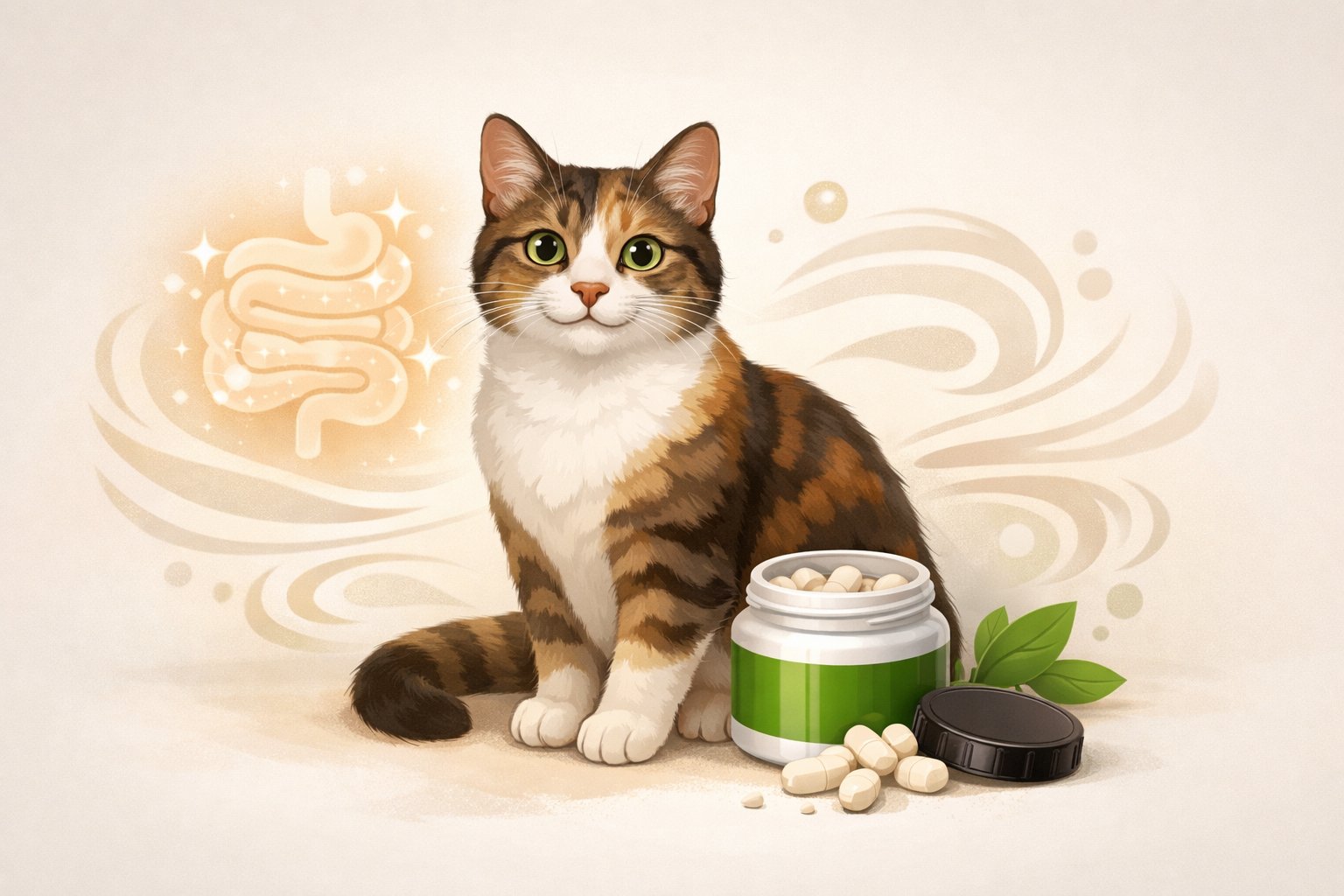

Your dog’s upset stomach or your cat’s picky eating might not just be about the food. Pet probiotics support digestive health, boost immune function, and can improve everything from stool quality to your pet’s energy levels.
These beneficial bacteria work in your pet’s gut to create balance and fight off harmful microbes. They also help your pet absorb nutrients more efficiently.

I’ve watched so many pet parents deal with their dog’s chronic diarrhea or their cat’s sensitive stomach, switching foods over and over. Sometimes the real issue isn’t the food—it’s what happens inside your pet’s digestive system.
Probiotics have shown positive effects on gut health and can help manage various intestinal issues in dogs and cats.
You’re about to learn which probiotic benefits actually matter for your pet. Let’s dig into digestive benefits, immune support, and even some surprising ways probiotics might help your furry friend feel their best.
Key Takeaways
- Probiotics help pets with digestive issues like diarrhea and improve nutrient absorption in their gut
- These beneficial bacteria strengthen your pet’s immune system and support overall wellness beyond just digestion
- Choosing the right probiotic strain matters, so look for products specifically designed for dogs or cats
What Are Pet Probiotics and Why Do They Matter?
Probiotics for pets are live beneficial bacteria that support your dog or cat’s digestive system and overall health. These tiny helpers work alongside your pet’s natural gut bacteria to keep things balanced and boost immunity.
Meet the Microbiome: Your Pet’s Hidden Health Ally
I see a lot of pet parents ignore their furry friend’s gut health until something goes wrong. Your pet’s microbiome is a wild community of trillions of bacteria living in their digestive tract.
This invisible ecosystem does more than just digest food. The intestinal microbiota provides barrier-protective, nutritional, metabolic, and immunological functions that keep your pet healthy from the inside out.
When the microbiome falls out of balance, it’s called dysbiosis. This can lead to diarrhea, constipation, skin problems, and even changes in behavior.
Key functions of a healthy pet microbiome:
- Digestion and nutrient absorption — breaks down food your pet can’t handle alone
- Immune system support — helps immune cells recognize threats
- Vitamin production — creates essential B vitamins and vitamin K
- Pathogen protection — crowds out harmful bacteria before they cause trouble
Probiotics act like reinforcements for this internal army. They help restore balance when stress, antibiotics, or dietary changes throw your pet’s gut off.
Key Probiotic Strains for Pets
Not all probiotics work the same, and honestly, specific strains matter more than you might expect. Various canine and feline-derived probiotic strains have been isolated and characterized specifically for pet health.
Lactobacillus acidophilus is one of the most researched strains for dogs and cats. It helps break down lactose and produces lactic acid that keeps harmful bacteria in check.
It also supports immune function. Lactobacillus casei works alongside acidophilus to strengthen intestinal walls and reduce inflammation.
I’ve found this strain especially helpful for pets with sensitive stomachs. Bifidobacterium animalis specializes in the large intestine, where it ferments fiber and produces short-chain fatty acids.
These acids fuel the cells lining your pet’s colon and help calm inflammation. Enterococcus faecium is especially popular in probiotics for dogs.
It survives stomach acid well and helps normalize stool consistency in pets with diarrhea. If your pet struggles with tummy troubles, this one might be worth a look.
| Probiotic Strain | Primary Benefits | Best For |
|---|---|---|
| Lactobacillus acidophilus | Lactose digestion, immune support | General gut health |
| Lactobacillus casei | Reduces inflammation, strengthens gut lining | Sensitive stomachs |
| Bifidobacterium animalis | Supports colon health, produces beneficial fatty acids | Large intestine issues |
| Enterococcus faecium | Normalizes stool, survives stomach acid | Diarrhea, digestive upset |
Probiotics vs. Prebiotics: What’s the Difference?
Here’s where things get a bit confusing for pet parents. Probiotics and prebiotics sound similar but play totally different roles in your pet’s gut health.
Probiotics are the live bacteria themselves. They’re the beneficial microorganisms that settle in your dog or cat’s digestive system and do the hard work.
Prebiotics are the food that feeds those good bacteria. They’re special fibers your pet can’t digest, but the probiotics in their gut love them.
Think of it like this: if probiotics are the workers, prebiotics are their lunch break. You really need both for your pet’s gut to thrive.
Common prebiotics include inulin, fructooligosaccharides (FOS), and certain plant fibers. When probiotics chow down on these prebiotics, they make beneficial compounds like short-chain fatty acids.
Many quality pet probiotic supplements now combine both probiotics and prebiotics. This combo is called a synbiotic, and it gives the good bacteria both the colonizers and the fuel they need to stick around.
I always recommend looking for products that list specific probiotic strains by their scientific names. Your pet deserves to know what’s going in their bowl, right?
Core Pet Probiotic Benefits: From Tummy Relief to Total Wellness
The benefits of probiotics for pets go way beyond basic digestion. I’ve seen these bacteria support immune function, reduce stress-related behaviors, and even boost skin and coat quality in dogs and cats.
Digestive & Gastrointestinal Health Support
When I chat with pet parents about probiotics, digestive relief is usually their number one concern. The benefits of probiotics for dogs include prevention and treatment of acute gastroenteritis and inflammatory bowel disease.
Probiotics populate your pet’s gut with good bacteria that crowd out the bad guys. This helps restore balance after antibiotics, diet changes, or stress-induced upset.
Key digestive benefits include:
- Reduced diarrhea frequency and duration
- Less gas and bloating
- Firmer, more regular stools
- Relief from inflammatory bowel disease symptoms
I’ve noticed that dogs on high-carbohydrate diets especially benefit from probiotic support. Their gut bacteria can get out of whack with modern pet foods.
The gastrointestinal health of your pet is often a source of problems, so probiotics are a practical, preventive tool. It’s kind of like daily insurance for your pet’s tummy.
Immune System and Allergy Defense
Your pet’s gut houses about 70% of their immune system. Supporting gastrointestinal health directly affects immune strength and allergy resistance.
Probiotics strengthen the gut barrier, which keeps harmful substances out of the bloodstream. This reduces inflammation and helps manage allergic reactions.
Immune benefits I’ve observed:
- Fewer seasonal allergy symptoms
- Reduced skin irritation and itching
- Better response to environmental triggers
- Stronger defense against infections
Research shows that probiotic supplementation can prevent allergies in companion animals. The right strains help the immune system respond appropriately, not just freak out at every little thing.
I suggest starting probiotics during allergy season or before stressful events like boarding. Prevention really beats waiting for symptoms to show up.
Mood, Behavior & Stress Support
The gut-brain connection in pets is no joke. I’ve watched anxious dogs become calmer and more confident after starting probiotics.
Beneficial bacteria produce neurotransmitters like serotonin that influence mood and behavior. When gut health improves, so does emotional wellbeing.
Behavioral improvements include:
- Reduced separation anxiety
- Less reactivity to loud noises
- Calmer response to new situations
- Better overall temperament
Dogs and cats living in urban areas deal with a lot of the same stressors humans do. They face schedule changes, environmental noise, and social pressures.
Probiotics help buffer these stressors by supporting the gut-brain axis. I’ve seen especially good results in rescue pets adjusting to new homes and puppies going through training.
Skin, Coat, and Dental Upgrades
I was honestly surprised by how much probiotics can help with external health. The link between gut health and skin quality runs deeper than most pet parents realize.
When your pet’s digestive system works well, nutrients actually get absorbed. You end up seeing shinier coats, healthier skin, and sometimes even fresher breath.
External health benefits:
- Glossier, softer coat texture
- Less dandruff and flaking
- Reduced hot spots and irritation
- Improved dental health markers
Protected probiotics bring in active good bacteria that help your pet absorb nutrients. With better nutrition, their body gets what it needs for skin cell renewal and coat upkeep.
I’ve seen dogs with stubborn skin issues start improving within a month or so on probiotics. Less inflammation inside really does help them heal on the outside.
Choosing and Using Probiotic Supplements for Pets
If you’re thinking about adding probiotic supplements for dogs or cats, the options can feel endless. The type you choose, the strains included, and whether prebiotics are in the mix—all of it matters for results.
Forms: Chews, Powders, and Fortiflora
Getting picky pets to take supplements can be a challenge, so form really matters.
Chews are usually the easiest for dogs. They taste like treats, so your pup thinks it’s a reward, not medicine.
The catch? Some chews have sugars or fillers that water down the actual probiotic content.
Powders give you flexibility. I sprinkle them over wet food or mix them into plain yogurt.
They’re great for cats who refuse chews, or dogs with sensitive bellies. You can adjust the dose, which is handy for tiny breeds or big dogs who need more.
Fortiflora is a popular powder from Purell that vets seem to recommend a lot. It has Enterococcus faecium and is actually studied for pets.
Most dogs and cats like the taste, which makes my life easier.
Capsules are an option too, but unless your pet takes pills easily, they’re a pain. I usually open them and dump the powder into their food.
How to Pick a Safe, Effective Supplement
Not every probiotic does what it claims, so I’ve learned to check a few things before buying.
CFU count matters (colony-forming units). For small pets, I look for at least 1 billion CFUs per serving, and more for bigger dogs.
Too little won’t help, but more isn’t always better.
Look for specific strains that have been tested in pets. Bacillus coagulans, Lactobacillus acidophilus, and Bifidobacterium animalis show up in actual research. Vague “probiotic blend” labels don’t really tell you much.
Expiration dates matter. Probiotics are alive, so they lose strength over time.
I avoid buying supplements close to their expiration date and always store them as the package says.
Third-party testing gives me peace of mind. If a brand verifies its CFU count through outside labs, that’s a plus.
The label should list actual strain names, not just “probiotic cultures.”
Prebiotics: The Unsung Sidekick
Prebiotics don’t get much attention, but they’re what feed the good bacteria in your pet’s gut.
Think of probiotics as the workers, and prebiotics as their fuel. Without fuel, the good bacteria can’t thrive in your pet’s intestines.
Common prebiotics include inulin, FOS (fructooligosaccharides), and chicory root. I like supplements that combine both probiotics and prebiotics—they just work better together. This combo is called a synbiotic.
Some pet foods already have prebiotics, so check your food label before adding more. Too much can cause gassy tummies and softer stools.
When I gave my dog a synbiotic, I noticed the benefits were stronger than probiotics alone. His digestion improved faster, and his bathroom habits became more regular.
Real-Life Relatability: Stories, Case Studies, and Science Gaps

Pet parents often see real changes when they use probiotics for their dogs or cats. But honestly, research is still figuring out exactly how these benefits work.
There are also some real risks and gaps you should know before starting any probiotic routine.
What Research and Real Pet Parents Say
I’ve seen so many pet owners share stories about dog probiotics turning around their pets’ digestive health. One Beagle owner told me their dog’s chronic diarrhea cleared up in days after starting a probiotic. Another mentioned their senior cat finally ate without vomiting once probiotics were added.
But what does the science actually say?
Research on pet probiotic benefits looks promising, especially for digestive issues. Some studies show certain strains help with diarrhea and gut health in dogs and cats. The catch: most of these studies are small or paid for by supplement companies.
The gap between what pet parents see and what clinical trials prove is still pretty wide. While research in clinical nutrition is growing, we don’t have big studies confirming all the claims yet. Some perks—like shinier coats or more energy—are still mostly anecdotal.
That doesn’t mean probiotics don’t work. We’re just still figuring out which strains work best, for what problems, and at what dosage.
Limitations, Risks & When to Ask Your Vet
Not every dog or cat needs probiotics, and they’re not risk-free. I’ve learned that the wrong strain or dose can actually make some pets’ digestion worse.
Key limitations include:
- Strain specificity – Not all strains help all pets
- Quality control issues – Some products don’t have what the label says
- Short shelf life – Many probiotics lose strength before you use them
- Individual variation – What works for one pet might not work for another
When to call your vet:
- Your pet has chronic vomiting or bloody diarrhea
- Symptoms get worse after starting probiotics
- Your pet is on antibiotics or immunosuppressants
- You notice behavioral changes or lethargy
Pets with weak immune systems face higher risks. Rarely, probiotics can cause infections in vulnerable animals. I always say talk to your vet about gut health support before starting anything new.
Frequently Asked Questions

Pet owners ask all the time if probiotics can really help their dog or cat’s health, and what changes to expect. Knowing the basics helps you make better choices about adding good bacteria to your pet’s daily routine.
What’s the deal with giving Fido probiotics—can it really help his digestion?
I’ve seen plenty of dog parents find that probiotics genuinely change their pup’s digestive health. These friendly bacteria balance the gut microbiome, which makes a huge difference in how your dog digests food.
When your dog’s gut has enough good bacteria, you’ll probably notice firmer stools and less gas. Probiotics can help with diarrhea and other tummy troubles that frustrate both you and your pup.
The gut microbiota handles barrier protection, nutrition absorption, metabolism, and immune function. When things get out of balance—what scientists call dysbiosis—your dog might deal with bloating, irregular bowel movements, or stomach upset.
Probiotics support digestion by:
Crowding out harmful bacteria that cause digestive problems
Producing enzymes to break down food
Strengthening the intestinal barrier to prevent stomach issues
Curious about feline health? How do probiotics fit into your kitty’s wellness routine?
Your cat’s gut health matters just as much as your dog’s. Probiotics offer similar benefits for our feline friends.
I always tell cat owners that probiotics can support gut health in cats through multiple pathways. Cats can be picky eaters, and their sensitive digestive systems sometimes need extra support.
Adding probiotics to your kitty’s routine helps maintain healthy gut bacteria. That supports overall wellness in ways you might not expect.
Key wellness benefits include:
Better nutrient absorption from their food
Support for immune system function
Help managing hairball-related digestive issues
Think of probiotics as tiny helpers that keep your cat’s internal ecosystem balanced. When their gut microbiome is healthy, cats often show more energy and better coat quality.
Looking for the top reasons why your pup might thank you for probiotics?
Let me break down the biggest pet probiotic benefits I’ve seen make real differences in dogs’ lives. These aren’t just theoretical—they’re changes pet parents actually notice.
Digestive comfort tops the list. Dogs dealing with loose stools, gas, or stomach rumbling often improve within days of starting probiotics.
Immune system support comes next. Since about 70% of your dog’s immune system lives in their gut, maintaining healthy bacteria helps their body fight off potential threats.
Canine-derived probiotic strains work particularly well because they’re naturally suited to your dog’s digestive system. These specialized bacteria strains come from healthy dogs and adapt better to canine gut conditions.
Stress and anxiety relief might surprise you. Your pup’s gut and brain communicate constantly, so a healthy gut can actually influence their mood and behavior.
Ever wonder how quickly probiotics can start working for your four-legged friend?
The timeline varies, but I can give you realistic expectations based on what research shows. Some changes happen fast, while others take patience.
For acute digestive issues, you might notice improvement within 24 to 48 hours. Dogs with sudden diarrhea often show firmer stools within a day or two of starting probiotics.
For general gut health, plan on 2 to 4 weeks to see noticeable changes. Your pet’s existing gut bacteria need time to rebalance as the new beneficial strains establish themselves.
Consistency matters more than anything. Giving probiotics daily allows the beneficial bacteria to colonize your pet’s digestive tract properly.
Skip days, and you’re basically starting over each time. Think about it like planting a garden—you can’t throw seeds down once and expect a thriving ecosystem.
The good bacteria need regular reinforcement to crowd out the bad guys and create lasting change.
Is your furry pal not quite themselves? Could probiotics be the pick-me-up they need?
Sometimes pets show subtle signs that their gut health needs support. I’ve learned to watch for changes that might not scream “digestive problem” at first glance.
Low energy or lethargy can signal gut imbalance. When your pet’s digestive system struggles to absorb nutrients properly, they might seem tired or less playful than usual.
Skin issues and dull coat often connect to gut health. The link between gut microbiota and overall pet health means that internal imbalance can show up externally.
Changes in appetite or food sensitivity might improve with probiotics. If your pet suddenly becomes picky or seems uncomfortable after eating, gut bacteria imbalance could be the culprit.
However, probiotics aren’t magic pills. If your pet shows serious symptoms like persistent vomiting, bloody diarrhea, or weight loss, skip the supplements and head straight to your vet.
Heard the buzz about homemade probiotics for your doggo but not sure where to start?
I get asked about DIY probiotics all the time. Honestly, it’s trickier than social media lets on.
Some pet parents add probiotic-rich foods to their dog’s diet and see good results. But you’ve really got to know what you’re doing.
Plain, unsweetened yogurt with live active cultures brings in some good bacteria. Try just a teaspoon for small pups, or a tablespoon if your dog’s on the bigger side.
Kefir offers even more probiotic strains than yogurt. Always pick the plain stuff—skip anything with added sugar or sweeteners, especially xylitol, since that’s actually toxic for dogs.
Fermented vegetables like sauerkraut (the kind with no salt, onions, or garlic) can work in tiny doses. Just mix a small spoonful into their usual food.
The big issue with homemade options? Dosing and consistency. Commercially available pet probiotics use specific strains that experts have tested for safety and effectiveness in dogs and cats.