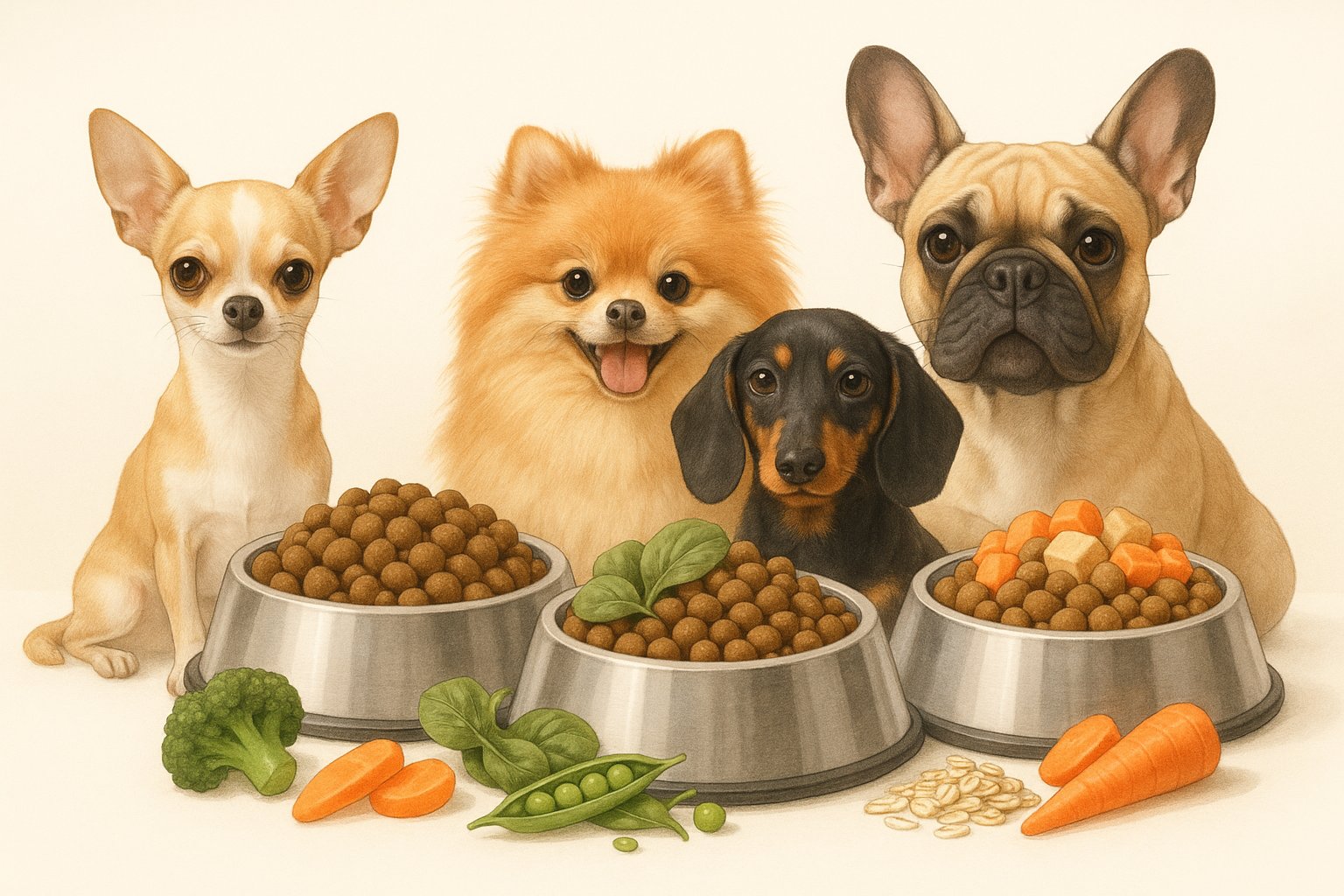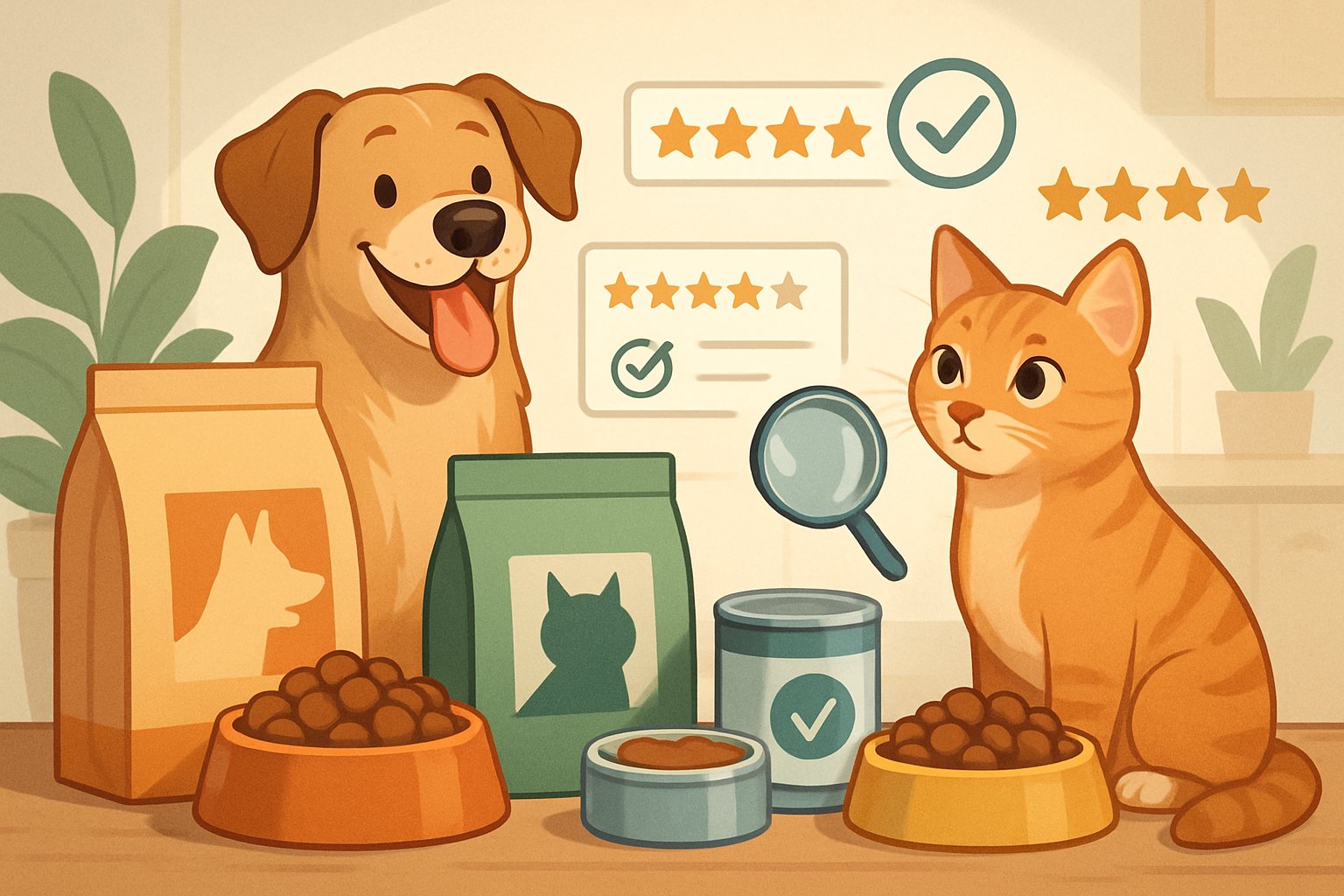

Choosing the right dog food can feel overwhelming when you’re staring at endless rows of colorful bags making bold claims about nutrition.
Dog food ratings help you cut through marketing hype by providing objective evaluations based on ingredient quality, nutritional completeness, safety standards, and real feeding trials.
I’ve seen too many pet parents get swayed by fancy packaging only to discover their furry friend isn’t thriving.

Let me be honest — not all dog food ratings are created equal.
Some come from veterinary nutritionists who analyze every ingredient, while others might just be marketing disguised as expert advice.
I’ll walk you through how legitimate experts evaluate dog food, what certifications actually matter, and which rating systems you can trust when making decisions about your pup’s health.
You’re about to learn the insider secrets of how professionals rate everything from kibble to raw diets.
Plus, I’ll share the key nutritional factors that separate five-star foods from the mediocre stuff.
Whether you’re dealing with a picky eater, food allergies, or just want the best bang for your buck, understanding these rating systems will transform how you shop for dog food.
Key Takeaways
- Expert dog food ratings evaluate ingredient quality, nutritional completeness, and safety standards rather than marketing claims
- Nutritional factors like crude protein and metabolizable energy significantly influence professional food ratings and your dog’s health
- Different rating systems exist for various dog food types, from dry kibble to grain-free options, each with specific evaluation criteria
Why Dog Food Ratings Matter
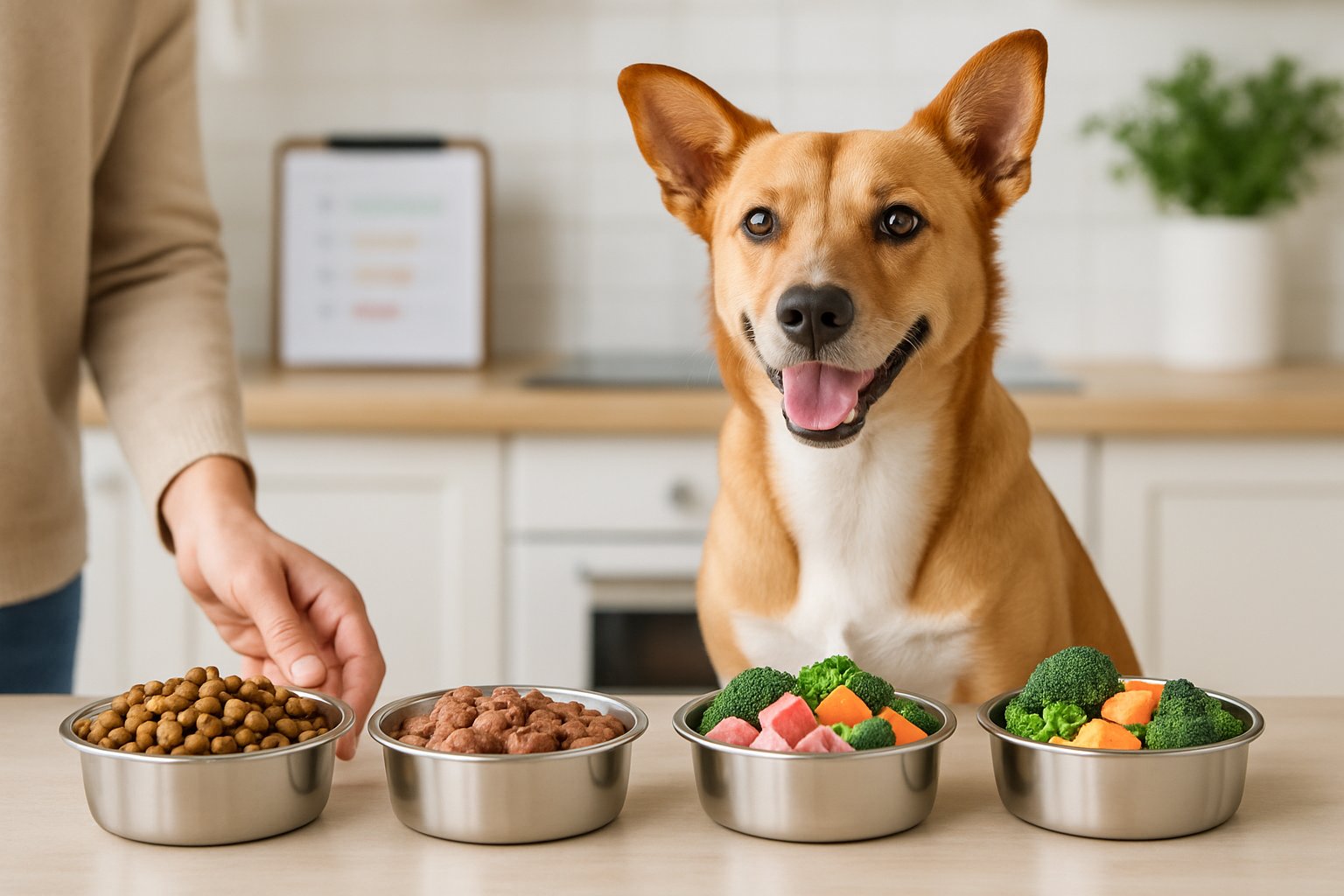
Dog food ratings directly impact your pet’s health, guide purchasing decisions, and help you avoid costly mistakes that could harm your furry friend.
I’ve seen too many pet parents struggle with poor food choices simply because they didn’t understand how ratings work.
Impact on Your Dog’s Health and Wellness
Let’s be real — the wrong dog food can wreck your pup’s health faster than you think.
I’ve watched dogs develop digestive issues, skin problems, and energy crashes all because their owners picked a pretty package over quality ingredients.
Consumer acceptance studies show that brand signals don’t always match actual quality.
Poor ratings often mean:
- Low-quality protein sources that don’t support muscle development
- Excessive fillers that provide empty calories
- Missing nutrients your dog needs for wellness
- Artificial additives that can trigger allergies
Here’s what happens when you ignore ratings.
Your dog might seem fine at first, but nutrient deficiencies build up over months.
I’ve seen pups lose their shine, develop itchy skin, or become lethargic from subpar food.
Quality ratings predict long-term health outcomes.
Dogs eating highly-rated foods typically maintain better weight, shinier coats, and stronger immune systems.
The difference becomes obvious within 6-8 weeks of switching.
Your wallet feels it too.
Vet bills for nutrition-related issues can hit hundreds or thousands of dollars annually.
How Pet Parents Use Ratings
Ever stood in the pet food aisle feeling completely overwhelmed?
You’re not alone.
Most pet parents I know use ratings as their first filter when choosing food.
They’ll eliminate anything below 3 stars before even reading ingredients. Smart move, actually.
Research shows pet owners interact differently with food when they have rating information versus just package claims.
The numbers cut through marketing fluff.
Here’s how savvy pet parents leverage ratings:
Compare similar products quickly — ratings let you stack options side-by-side without getting lost in ingredient lists.
Set budget boundaries — you can find the highest-rated option within your price range instead of guessing.
Avoid recall-prone brands — consistently low ratings often signal quality control issues.
I notice pet parents also use ratings to justify spending more on premium food.
When you see a 4.8-star rating versus 2.1 stars, the price difference suddenly makes sense.
The attachment factor matters too.
Studies reveal that pet parents who view their dogs as family members pay closer attention to ingredient quality ratings.
Veterinarian Insights on Choosing Dog Food
Your vet sees the consequences of poor food choices every single day.
Most veterinarians I’ve spoken with use ratings as a starting point for recommendations, not the final answer.
They’ll typically suggest foods with consistently high ratings, then narrow down based on your dog’s specific needs.
Here’s what vets actually look for in ratings:
Ingredient transparency scores — how clearly the manufacturer lists what’s inside
Nutritional adequacy ratings — whether the food meets AAFCO standards for your dog’s life stage
Palatability scores — because the best nutrition means nothing if your dog won’t eat it
But here’s the kicker — vets warn against blindly following ratings.
A 5-star food for German Shepherds might be terrible for your Chihuahua with kidney issues.
Professional palatability testing helps veterinarians understand which highly-rated foods dogs actually prefer.
This matters because even perfect nutrition fails if your pup refuses to eat.
Your veterinarian combines rating data with your dog’s medical history, age, and activity level.
They’re looking at the complete picture, not just star counts.
I’ve learned that the best approach involves sharing rating research with your vet during checkups.
They can spot red flags you might miss and confirm whether those 5-star foods align with your dog’s wellness goals.
How Experts Rate Dog Food
When I evaluate dog food, I look at four key areas: nutritional content, ingredient quality, how much dogs actually enjoy eating it, and which brands consistently deliver results.
Evaluation Criteria and Methods
I’ve learned that pet food experts use specific testing methods to rate dog food objectively.
They don’t just guess — they follow strict protocols.
Expert panels test foods daily using trained dogs.
These dogs try different foods in controlled settings.
I find this fascinating because these expert dogs are more reliable than regular pets at home.
The main testing methods I see experts use include:
- Two-bowl tests – Dogs choose between two foods served at the same time
- One-bowl tests – Dogs get one food to measure acceptance
- Nutrient analysis – Labs check protein, fat, and vitamin levels
- Digestibility studies – Measuring how well dogs process the food
What surprises me is that experts need at least 30 dogs for reliable results.
They also run quality tests where dogs get the same food twice to check for bias.
Expert panels are more accurate than home testing because they control the environment.
No distractions, consistent timing, and trained observers.
I notice that different panels sometimes give different results.
Expert panels catch small differences better, while home panels reflect real-world conditions.
Decoding Ingredient Lists
Reading ingredient lists used to confuse me until I learned the expert approach.
The first five ingredients matter most because they make up most of the food.
Quality protein sources should come first.
I look for specific meats like “chicken,” “beef,” or “salmon” rather than vague terms like “meat meal.”
Here’s what I’ve learned to watch for:
- Whole ingredients beat processed ones
- Named fat sources (chicken fat) over generic ones (animal fat)
- Identifiable vegetables like sweet potatoes or peas
- Minimal artificial preservatives and colors
The ingredient list tells a story.
If I see corn or wheat in the first three ingredients, that food is mostly filler.
Dogs need protein, not cheap grains.
I pay attention to splitting too.
Some companies list “corn” and “corn gluten meal” separately to push them down the list.
Combined, corn might be the main ingredient.
Meal ingredients aren’t always bad.
Chicken meal is concentrated protein with water removed.
It’s actually more protein-dense than fresh chicken.
When I see long chemical names, I research them.
Some are vitamins with scary names.
Others are unnecessary additives.
Understanding Palatability
Palatability means how much dogs actually want to eat their food.
I’ve seen perfectly nutritious foods fail because dogs won’t touch them.
Palatability testing uses specific measurements that experts track carefully.
They watch first choice, total consumption, and eating speed.
The first choice test shows which food dogs sniff and try first.
This reveals smell appeal — crucial for picky eaters.
Consumption ratios tell me which food dogs prefer when given options.
If dogs eat 70% of Food A and 30% of Food B, Food A wins clearly.
I find the “liking test” particularly interesting.
Dogs get adjusted portions they can’t always finish.
Experts measure:
- How many dogs finish their bowls
- How fast they eat
- Whether they eat more or less than their normal amount
What fascinates me is that wet and dry foods test differently.
Expert panels show more consistency with wet products than dry kibble.
Temperature, texture, and smell all affect palatability.
Some dogs prefer room temperature food.
Others like smaller kibble sizes.
Reputation of Best Dog Food Brands
I size up a brand’s reputation by checking consistency, recall history, manufacturing standards, and how their food holds up over time. The best brands earn trust slowly—years, not just a few months.
Recall history says a lot about quality control. I dig into FDA databases for any past recalls and pay attention to how companies responded. Honest, open communication during trouble? That’s integrity in my book.
Manufacturing always means more to me than slick marketing. I look for brands that:
- Own their facilities or work with trusted co-packers
- Test ingredients before and after making the food
- Follow AAFCO feeding trial protocols
- Employ veterinary nutritionists
AAFCO approval is my bare minimum. Feeding trials take it a step further—actual dogs eat the food for months while experts watch their health.
Consumer surveys show price and nutritional value drive most purchases. Still, I’ve learned the hard way that a higher price tag doesn’t always mean better food.
The brands I respect most pour resources into research. They study dog nutrition, share their findings, and tweak formulas as science evolves.
Ingredient sourcing is where great brands pull ahead. The best trace their ingredients back to specific farms and suppliers. They’re upfront about where everything comes from—which I really appreciate.
Specialty diet brands seem to shine in their own niches. Prescription diets for allergies or kidney disease need a different level of expertise than your average kibble.
Key Standards & Certifications to Trust
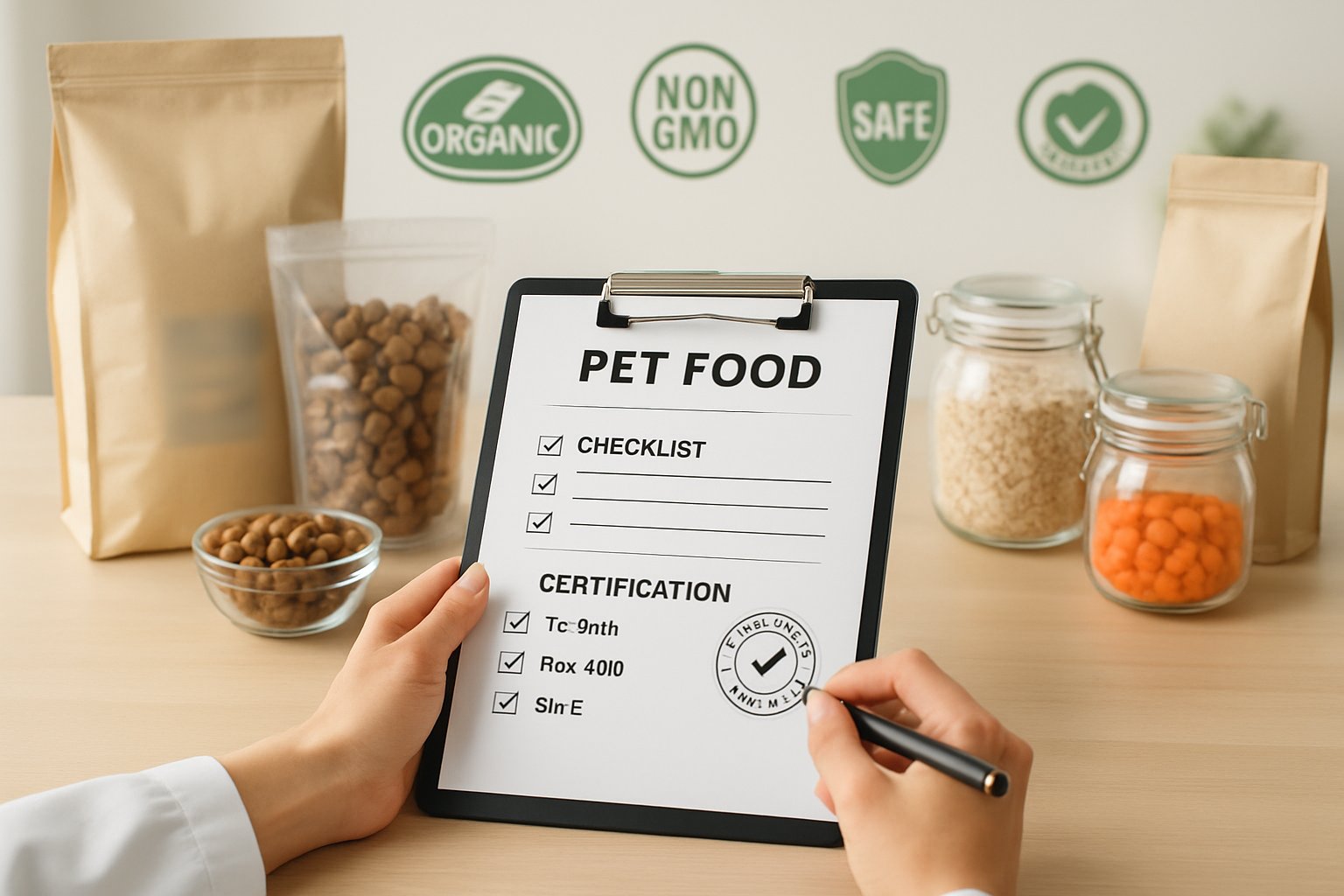
When I’m picking dog food, I always look for certain certifications that guarantee safety and quality. AAFCO approval and “complete and balanced” labels are my main markers for trustworthy pet food products.
AAFCO and the Association of American Feed Control Officials
Let’s be honest—AAFCO is the first thing I scan for on dog food labels.
The Association of American Feed Control Officials sets the nutrition standards that keep dogs healthy. When I see AAFCO approval, I know the food meets strict rules for protein, fat, vitamins, and minerals.
AAFCO doesn’t test the foods themselves. Instead, they write the rules, and companies have to follow them. They’re like the recipe writers, while the manufacturers do the actual cooking.
I always hunt for this statement: “formulated to meet AAFCO Dog Food Nutrient Profiles.” That means the food has the right nutrient balance for my dog.
Some high-end brands run AAFCO feeding trials too. These real-life tests show that dogs actually thrive on the food—not just on paper.
The Gold Standard: Complete and Balanced Diets
Here’s what really sets top dog food apart—the “complete and balanced” label.
Complete means all the essential nutrients are there. Balanced means they’re in the right proportions for my dog’s age and needs.
I won’t buy dog food without both words on the bag. Research shows that meeting nutritional requirements is vital for a dog’s health.
Life stage matters too. I always check for foods labeled for:
- Puppy (growth)
- Adult maintenance
- Senior dogs
- All life stages
The AAFCO statement needs to match my dog’s current needs. Puppy food packs more calories and protein than senior formulas—makes sense, right?
Why Certifications Matter for Dog Food
Ever notice how some dog foods cost twice as much as others?
Certifications usually explain the price jump. They’re proof that a company invests in quality control, safety checks, and real nutritional research.
Studies reveal that consumer trust becomes crucial when choosing a pet food brand. I lean on certifications—they take the guesswork out of it.
Third-party certifications I actually trust include:
- AAFCO compliance (nutritional adequacy)
- FDA facility registration (manufacturing standards)
- USDA organic (ingredient sourcing)
Research on transparency in dog food shows that proper labels build confidence and help people make better choices.
Without certifications, I feel like I’m just rolling the dice with my dog’s health. These standards keep quality consistent from batch to batch.
Getting certified isn’t cheap, but it weeds out companies that cut corners on nutrition or safety.
Types of Dog Food & Their Ratings
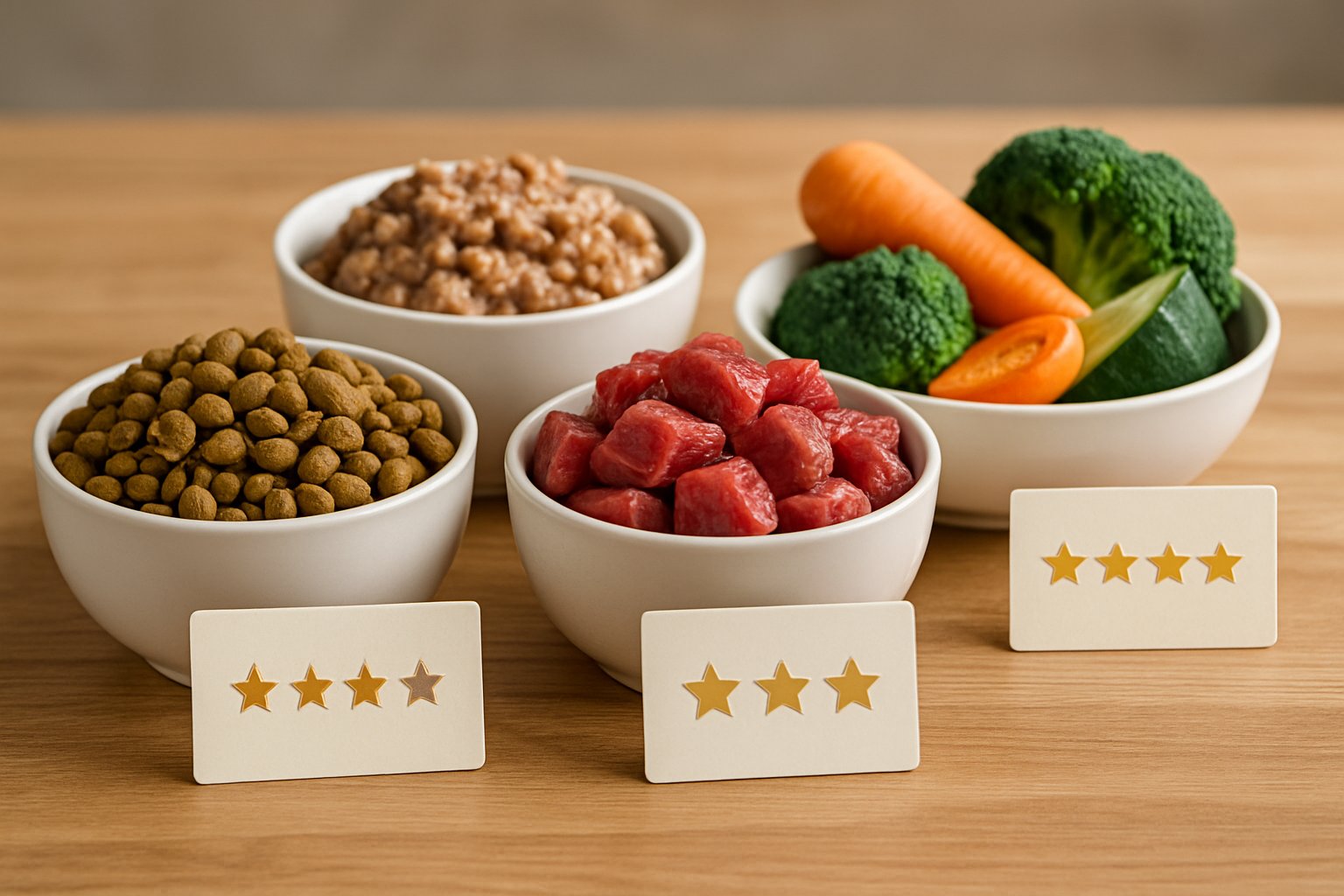
Different dog food types have their own nutrition profiles and rating standards. Dry kibble usually wins for convenience and price, while wet food scores higher for moisture and taste.
Dry Dog Food and Kibble
Honestly, dry kibble rules the pet food world for a reason. It’s cheap, easy to store, and lasts longer than any other dog food.
When I rate dry food, I check protein content first. Good kibble should have 25-30% protein for adult dogs. The first ingredient needs to be a real meat—chicken, beef, or salmon.
Here’s why kibble rates high for me:
• Budget-friendly – Usually $1-3 per pound • Dental perks – Crunching helps clean teeth • Easy portions – You can measure out exact amounts • Simple storage – No fridge needed
Turns out, people prefer dry dog food that’s brown and classic-shaped. Polish dog owners gave golden-brown, triangle kibble top marks for looks.
Low-rated dry foods usually list corn, wheat, or soy up top. I knock off points for these fillers—they just don’t offer the nutrition that meat does.
The main downside? Dry kibble only has 6-10% moisture. Dogs on kibble need fresh water available all the time to stay hydrated.
Wet Dog Food and Canned Meals
Wet dog food almost always scores better than kibble for taste and nutrition per bite. Canned meals are my go-to for picky eaters.
Canned dog food has 75-85% moisture. That extra water is a big plus for dogs with kidney trouble or those who just don’t drink much.
Top-rated wet foods tick these boxes:
• Higher protein – Usually 8-12% (but remember, there’s more water)
• Easy to digest – The soft texture is gentle on sensitive stomachs
• Big flavor – Dogs just love the taste
• No chemicals – The canning process skips artificial preservatives
Downside? Wet food costs a lot more per meal. You’re looking at $2-5 per can, compared to pennies for a scoop of kibble.
Canned foods come in all kinds of textures—from smooth pâté to chunky stews. Older dogs with dental issues usually prefer pâté, while younger pups like chunk-and-gravy.
Once you open a can, storage gets tricky. Canned food needs to be in the fridge and used up in 3-5 days—not ideal if you’re busy.
Raw, Frozen, and Fresh Dog Food
Raw dog food gets mixed reviews from nutrition experts. Some dogs seem to thrive, but others struggle with digestive issues during the switch.
Frozen dog food sits somewhere between convenience and nutrition. It’s minimally processed and stays safe because of freezing.
Fresh dog food delivery services get top marks for ingredient quality. Companies like Farmer’s Dog and Ollie use human-grade ingredients and skip artificial preservatives.
Here’s how I rate the fresh options:
| Food Type | Convenience | Cost | Nutrition | Safety |
|---|---|---|---|---|
| Raw/Frozen | Medium | High | Excellent | Requires care |
| Fresh Delivery | High | Very High | Excellent | High |
| Refrigerated Store | Medium | High | Very Good | High |
Raw food needs careful handling to avoid bacteria. I always say: check with your vet before switching, especially for puppies, seniors, or dogs with weak immune systems.
The price tag can be tough to swallow. Fresh dog food usually costs $3-8 per day, while premium kibble is just $1-2.
Dog Treats and Toppers
Dog treats have their own job and need separate rating rules. I judge training treats differently from dental chews or meal toppers.
Training treats get top marks if they’re tiny, soft, and super tasty. They should be smaller than your fingernail so your dog doesn’t lose focus.
Meal toppers can turn boring kibble into something special. I love freeze-dried meat toppers and bone broth—they add flavor and nutrition without piling on calories.
Here’s how I break down treat ratings:
• Dental chews – How well they clean teeth and how safe they are
• Bully sticks – How easy they are to digest and how much they stink
• Training treats – Size, texture, and how much dogs want them
• Puzzle treats – Do they keep dogs busy and challenged?
The treat aisle has some sketchy stuff. I rate anything with fake colors, too much sugar, or mystery ingredients way lower.
Portion control is a big deal with treats. Even healthy ones shouldn’t make up more than 10% of your dog’s daily calories. I dock points from treats that push overfeeding with huge serving sizes.
Nutritional Factors That Influence Ratings
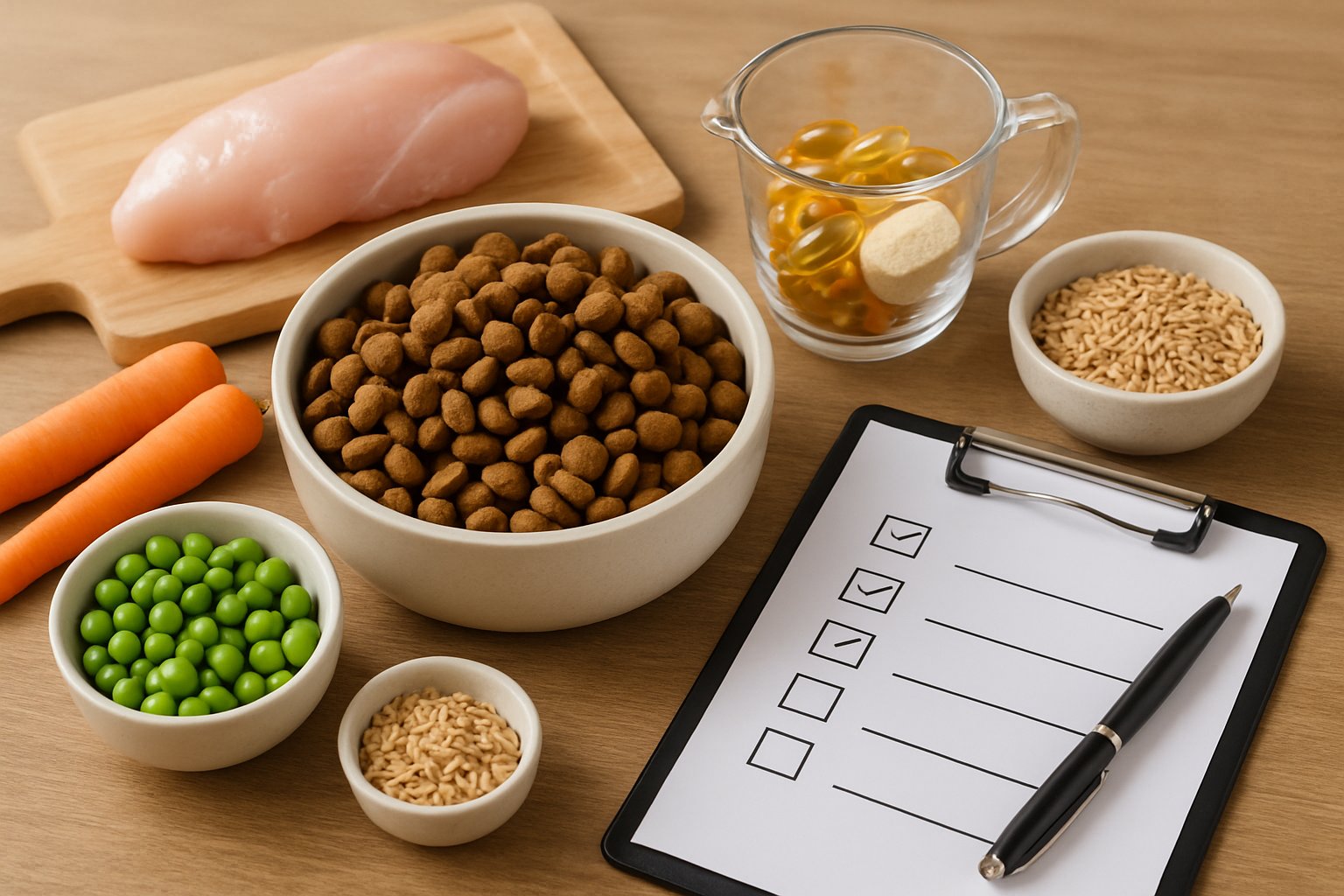
When I rate dog food, I always look at the nutritional content first. It directly impacts my dog’s health and happiness.
The balance of protein, fat, vitamins, minerals, and essential fatty acids determines whether a food earns my top rating or gets tossed aside.
Protein, Fat Ratio, and Energy
Let’s be real — protein is the foundation of any quality dog food I’d recommend. I look for foods with at least 18% protein for adult dogs and 22% for puppies.
The source matters too. Named meats like chicken, beef, or salmon should appear first on the ingredient list.
When I see “meat by-products” or vague terms, that’s an instant red flag.
Fat content is where many pet parents get confused. I aim for:
- 8-15% fat for adult dogs
- 10-18% fat for active or growing dogs
Too little fat and your pup lacks energy and has a dull coat. Too much, and you might see pancreatitis or weight gain.
Energy density tells me if a food will keep my dog satisfied. High-quality foods pack more calories per cup, so I feed less but my dog gets more nutrition.
Research shows that nutritional components significantly impact food intake patterns in dogs.
I calculate calories per cup and match it to my dog’s activity level. Working dogs need energy-dense formulas while couch potatoes need lighter options.
Essential Vitamins and Minerals
Here’s what separates good dog food from great — the vitamin and mineral profile. I check for these must-haves:
Vitamin E acts as a powerful antioxidant. I look for 50-100 IU per kilogram in dry food.
Vitamin C isn’t required since dogs make their own, but added amounts help with immune support and stress.
Calcium and phosphorus need perfect balance — about 1.2:1 ratio. Too much calcium blocks other mineral absorption.
I always verify the food meets AAFCO standards. This guarantees minimum nutritional requirements are met.
Iron, zinc, and selenium round out my checklist. These minerals support everything from coat shine to wound healing.
Studies confirm that nutritional value directly correlates with palatability ratings owners give.
Missing minerals? I move on to the next brand.
Omega-3 and Omega-6 Fatty Acids
This is where I see the biggest difference in coat quality and joint health. Omega-3 fatty acids from fish oil or flaxseed reduce inflammation and support brain function.
I target foods with 0.3-0.5% omega-3s minimum. Higher amounts benefit senior dogs with arthritis.
Omega-6 fatty acids come from chicken fat or vegetable oils. Dogs need these for healthy skin, but too much causes inflammation.
The magic ratio? 5:1 to 10:1 omega-6 to omega-3. Most commercial foods are way off balance, heavy on omega-6s.
Here’s my quick check:
- Look for fish oil in the first 5 ingredients
- Avoid foods with only vegetable oils
- Check guaranteed analysis for specific amounts
When the balance is right, I notice shinier coats within 6-8 weeks. Joint mobility improves too, especially in older dogs.
Pro tip: Some foods add omega-3s after processing to prevent rancidity. That’s actually a good sign of quality control.
Digestive Health Benefits
Nothing tanks my rating faster than a food that upsets my dog’s stomach. I prioritize ingredients that support gut health from day one.
Probiotics are game-changers. I look for specific strains like Lactobacillus acidophilus or Enterococcus faecium on the label.
Prebiotics feed the good bacteria. Chicory root, beet pulp, and fructooligosaccharides are my favorites.
Fiber content needs balance — 3-5% crude fiber keeps things moving without causing loose stools.
Glucosamine isn’t just for joints. It supports intestinal barrier function and reduces inflammation throughout the digestive tract.
I avoid foods with:
- Artificial colors and preservatives
- Too many grains or fillers
- Sudden protein switches
Research demonstrates that palatability factors significantly influence long-term feeding success.
Quality foods include digestive enzymes to help break down nutrients. This is especially important for senior dogs with decreased enzyme production.
Best Dog Food Choices for Different Needs
Finding the right dog food depends on your pup’s age, breed, and specific health needs. I’ve broken down the top choices across life stages, trusted brands that consistently deliver quality nutrition, and where you can buy them with confidence.
Best Dog Food for Puppies and Life Stages
Let’s be real — picking puppy food isn’t the same as choosing adult dog food. Your growing pup needs way more protein and calories than my lazy couch potato retriever.
Puppy Food Requirements:
- Protein: 22-32% minimum
- Fat: 8-22% for energy
- Calcium: 1-1.8% for bone development
- Feeding frequency: 3-4 times daily
I always tell new puppy parents to look for AAFCO certification on the label. This means the food meets nutritional standards for growth.
Adult Dog Food (1-7 years):
Your dog’s activity level matters here. Working dogs need high-protein formulas while apartment dogs do better with moderate protein to prevent weight gain.
Senior Dog Food (7+ years):
Older dogs benefit from easily digestible proteins and joint-supporting ingredients like glucosamine. I’ve noticed senior formulas often have reduced phosphorus to support kidney health.
Research shows that dogs have specific food preferences based on their individual needs and metabolic changes throughout life stages.
Top Brands: Purina Pro Plan, Kirkland, Royal Canin
I’ve tested dozens of brands over the years, but these three consistently deliver quality nutrition at different price points.
Purina Pro Plan:
- Best for: Active dogs and specific health needs
- Price range: $50-70 for 35lb bag
- Standout feature: Probiotics in every formula
Pro Plan offers breed-specific formulas that actually make sense. Their German Shepherd formula has glucosamine for hip health, while their small breed kibble is perfectly sized for tiny mouths.
Kirkland Signature (Costco):
- Best for: Budget-conscious families
- Price range: $30-40 for 40lb bag
- Standout feature: Diamond Pet Foods manufacturing quality
Here’s what surprised me about Kirkland — it’s made by the same company that produces premium brands. You get solid nutrition without the marketing markup.
Royal Canin:
- Best for: Dogs with specific health issues
- Price range: $60-90 for 30lb bag
- Standout feature: Veterinary-prescribed formulas
Royal Canin gets pricey, but their digestive care and urinary health formulas have helped countless dogs in my experience. Consumer research shows that pet owners often choose specific brands based on their dog’s individual needs rather than just price.
Where to Buy: Chewy and Other Trusted Retailers
Shopping for dog food online changed everything for me. No more lugging 40-pound bags from the car.
Chewy.com:
- Pros: Auto-ship discounts, fast shipping, excellent customer service
- Cons: Slightly higher prices than big box stores
- Best feature: Their customer service will call your vet directly for prescription diets
I love Chewy’s auto-ship program. Set it and forget it — your dog food arrives before you run out.
PetSmart/Petco:
- Pros: Physical stores for immediate pickup
- Cons: Limited selection compared to online
- Best feature: Price matching policies
Amazon:
- Pros: Fast Prime shipping
- Cons: Risk of expired or improperly stored food
- Tip: Always check expiration dates on delivery
Local Pet Stores:
Don’t overlook your neighborhood pet shop. They often carry premium brands and provide personalized advice.
Plus, you’re supporting local business.
Costco/Sam’s Club:
Perfect for multi-dog households. The bulk sizes make sense when you’re feeding three labs like my neighbor does.
Frequently Asked Questions
Dog owners face countless decisions when choosing the right food for their furry friends. Price, ingredients, brand reputation, and safety recalls all play crucial roles in making the best choice for your pup’s health and happiness.
What’s the scoop on the healthiest dry dog food out there?
I’ve found that the healthiest dry dog foods start with whole protein sources as the first ingredient. Look for foods with named meats like chicken, beef, or salmon instead of vague stuff like “meat meal.”
The best options skip fillers like corn and wheat. They also avoid artificial colors and preservatives that just don’t do much for nutrition.
High-quality brands usually include probiotics for digestive health. Omega fatty acids get added for coat shine and joint support, which seems smart.
I always check the AAFCO statement on the bag. That way, I know the food meets basic nutritional standards for dogs.
Premium foods cost more upfront. But honestly, they often need smaller serving sizes since they’re packed with nutrients.
Ever wondered about dog food brands you should probably steer clear from?
I’ve noticed some red flags that make me skip certain brands. Too many recalls in recent years? That’s a big safety concern for me.
Vague ingredient lists really worry me. If I can’t figure out what’s actually in the food, my dog’s not eating it.
Avoid foods where grains or by-product meals come first. Those just don’t give active dogs the protein they need.
I steer clear of brands with artificial colors like Red 40 or Blue 2. Dogs don’t care about food color, and those additives aren’t helpful anyway.
Store brands that are suspiciously cheap usually cut corners on ingredients. Sure, budget matters, but rock-bottom prices often mean lower-quality protein.
Curious to know which dry dog food has vets raving about it?
In my experience, vets keep recommending Hill’s Science Diet and Royal Canin. These brands pour a lot into nutritional research and clinical trials.
Many veterinarians praise Purina Pro Plan for its variety of formulas. They offer options for different life stages, sizes, and health issues.
I’ve heard vets suggest Blue Buffalo Life Protection for folks who want natural ingredients. The brand sticks to real meat and skips poultry by-products.
Veterinarian-client interactions often focus on matching food to specific health needs. Vets like brands that offer prescription diets for medical conditions.
Wellness Core gets vet approval for its high protein content. It’s a solid pick for active dogs who burn a lot of energy.
Let’s be real, have you heard which dog foods have snagged a full five stars?
I’ve seen Orijen Original land five-star ratings on pet food review sites over and over. The high meat content and minimal processing really impress people.
Acana Regionals also scores high for ingredient quality. They use fresh, regional ingredients and keep production in-house.
Taste of the Wild gets five stars for grain-free options at decent prices. Owners love that it includes real roasted meats.
Wellness CORE racks up perfect scores for its protein-focused recipes. The brand ditches fillers and loads up on nutrients.
Fromm Gold keeps getting five-star ratings for consistent quality. It’s family-owned, and they stick to strict quality control standards.
You know what’s up with the latest dog food recalls to keep your pupper safe?
I always check the FDA’s pet food recall database before trying new brands. Lately, recalls have involved salmonella contamination and toxic vitamin D levels.
Grain-free foods have gotten some scrutiny for possible heart disease links. The FDA’s even investigated connections between certain ingredients and dilated cardiomyopathy.
I’ve found that dog food recalls often come from manufacturing contamination. Cross-contamination during production seems like the biggest risk.
Aflatoxin from moldy corn has triggered several recent recalls. This toxin can cause serious liver damage in dogs.
I sign up for recall alerts from the FDA and AVMA. Getting notifications fast helps me pull dangerous food from my pantry right away.
Have you seen what’s being said about the highest rated fresh dog food options?
Fresh dog food delivery services keep getting rave reviews from pet parents. Brands like Farmer’s Dog and Ollie actually customize meals for each dog’s profile.
I’ve heard amazing things about Nom Nom for picky eaters. Their fresh recipes often win over dogs who just won’t touch traditional kibble.
Freshpet refrigerated rolls earn high marks for convenience. You can grab them in most grocery stores, no subscription or weird hoops to jump through.
Consumer acceptance studies show dogs tend to prefer fresh food over dry kibble. The improved taste really helps with appetite issues.
Just Food For Dogs gets top ratings for transparency. They actually list exact ingredient percentages and full nutritional analysis for every recipe.
Human-grade fresh foods cost a lot more than kibble, let’s be honest. Still, plenty of owners swear by the better digestion, shinier coats, and boost in energy they see.