
As an Amazon Associate I earn from qualifying purchases.
If your cat scratches nonstop or skips meals, hypoallergenic cat food brands can help reduce food-related reactions by using simpler recipes and limited ingredients. You’re about to find out why these foods matter and how they’re different from regular kibble.
If you’ve ever watched your cat sniff the bowl and walk away, you’re not alone.
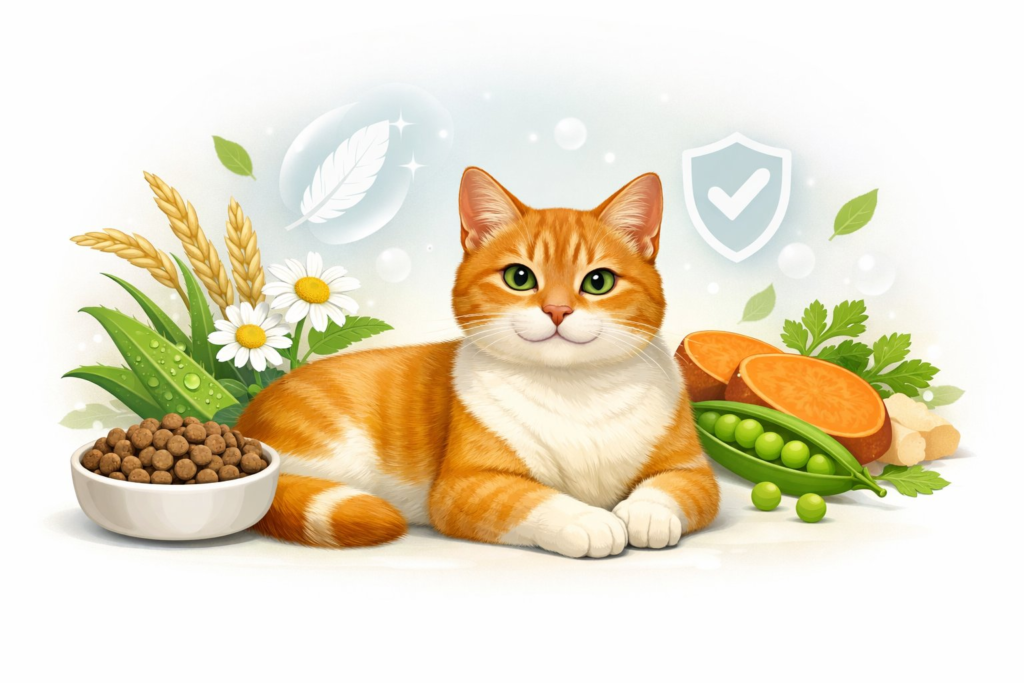
Hypoallergenic cat food brands stick to fewer protein sources and skip common triggers like beef, dairy, or wheat. Many use novel proteins or gentle carbs for easier digestion.
The goal is simple: steady energy, calmer skin, and meals your cat actually wants to eat.
When you shop, keep an eye on the protein source, ingredient list length, and how the food gets made. Shorter lists help you spot triggers, and clear labels make comparing easier.
I spent weeks digging into top options to find hypoallergenic cat food brands that are easy to pick and practical to feed every day.
Best Hypoallergenic Cat Food Brands
Hypoallergenic cat food brands help when my cat scratches, vomits, or refuses the bowl. I know how stressful food trials can get, so I focused on brands that use simple recipes, limited ingredients, and clear labels.
Here’s my short list of the best hypoallergenic cat food brands that plenty of pet parents trust for sensitive cats.
Forza10 Hypoallergenic Wet Cat Food
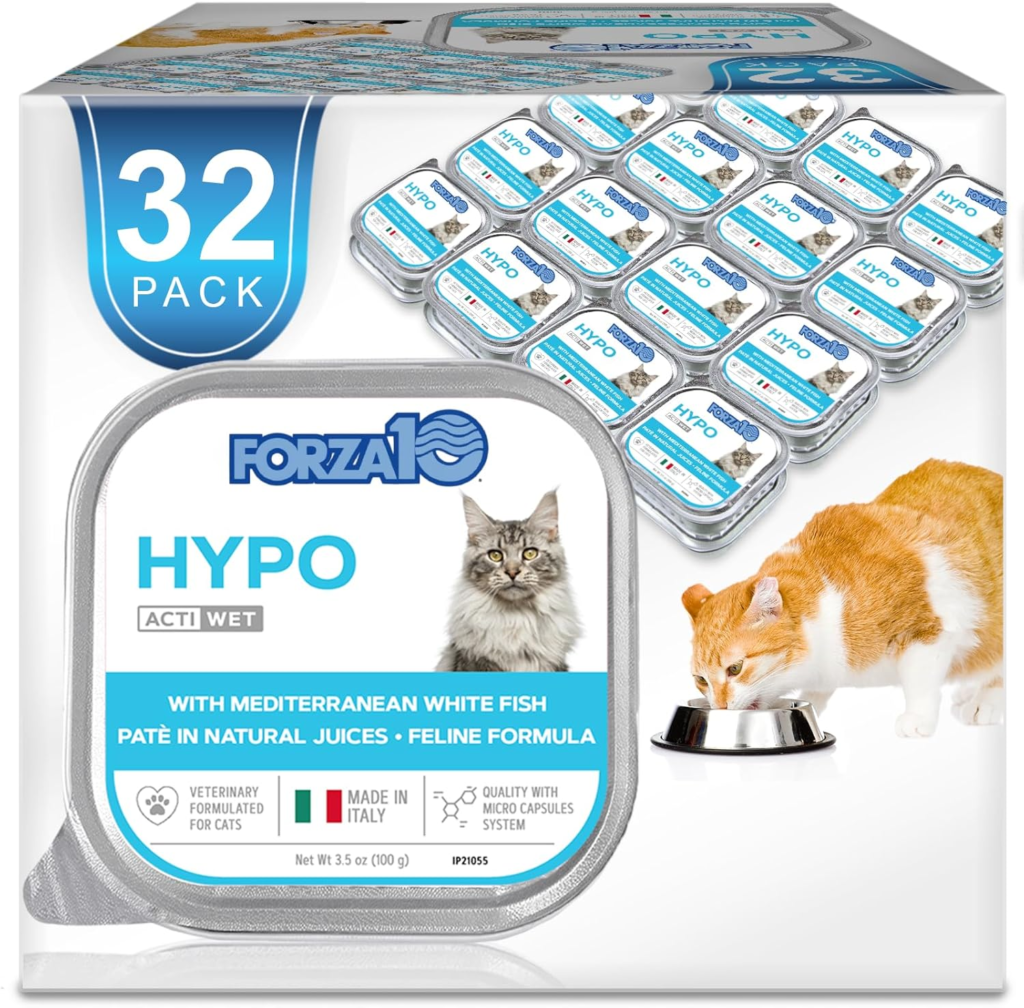
This is a fair pick for anyone comparing hypoallergenic cat food brands who want a wet option that focuses on skin comfort. It might not work for super picky eaters, though.
Pros
Cons
I watched for signs of itching or coat trouble when I tested this food. After a week, my cat scratched less and seemed calmer.
The smell hits you right away when you pop the can. My cat rushed over the first few times, which honestly felt like a win.
Later meals brought mixed reactions, so I had to rotate it with other foods. I liked using this as part of a plan, not the only meal.
Forza10 fits if you want to try a vet-style option without jumping to prescription food. It works for some cats, but patience helps.
Natural Balance Duck & Green Pea
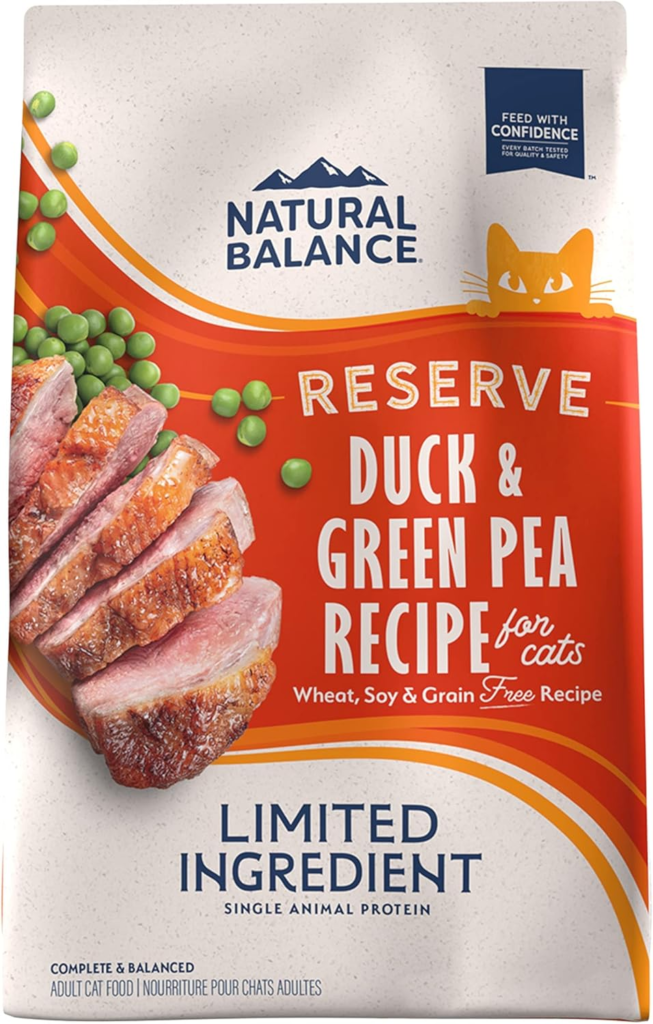
I recommend this if you want a solid hypoallergenic cat food brand that keeps things simple and works for sensitive cats.
Pros
Cons
I’ve tried several hypoallergenic cat food brands, and this one stood out fast. My cat usually sniffs new food and walks away, but with this bag, she ate right away.
After a few weeks, I noticed fewer hairballs and less scratching. The food seemed easy to digest, and the litter box told the same story.
The price is higher than standard dry food. I sometimes added water to soften it. Even so, I keep coming back to it because my cat stays comfortable and eats well.
Nature’s HUG Hypoallergenic Dry Cat Food
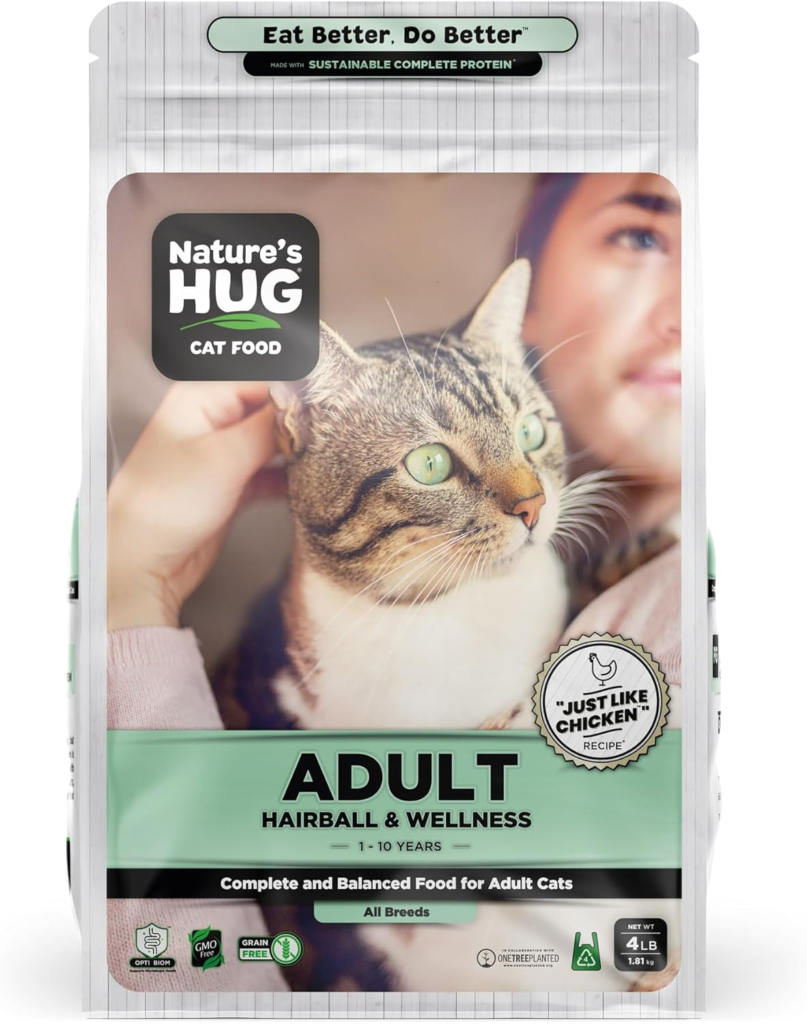
This is a smart pick if you want a hypoallergenic cat food brand that skips meat but still feels gentle and filling for sensitive cats.
Pros
Cons
I tried this brand when my cat showed signs of food sensitivity. The kibble felt light and clean in the bowl.
After a few days, meals became calmer, with less sniffing and walking away. Digestion stood out—litter box habits stayed steady, and my cat seemed more relaxed after eating.
I liked that the formula avoids common triggers found in many cat foods. The price gave me pause, though.
I mixed it slowly with our old food, which helped ease the switch and stretch the bag.
If your cat struggles with allergies and you want a gentle option, Nature’s HUG fits well among today’s hypoallergenic cat food brands.
9Lives Daily Essentials
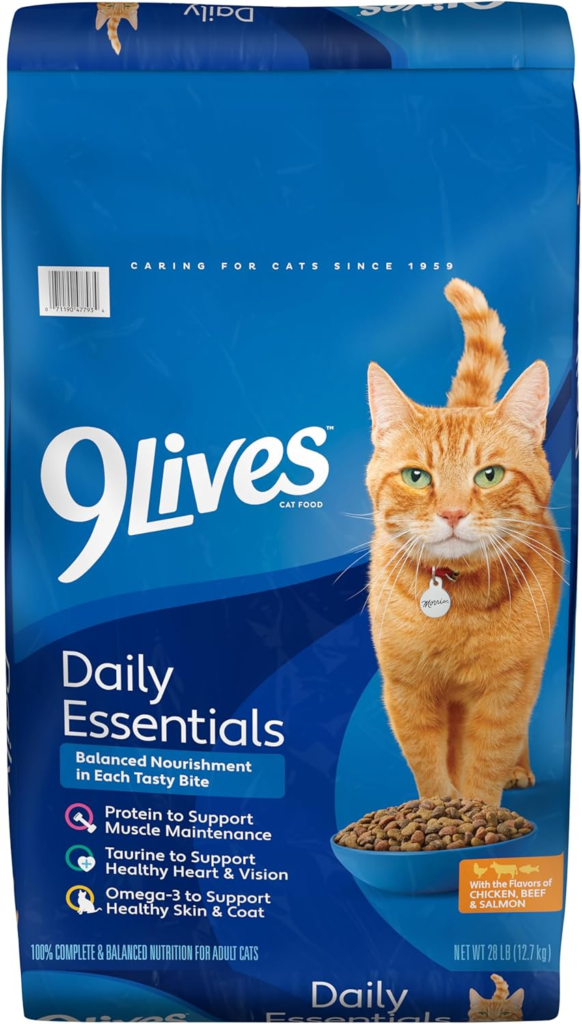
I’d buy this if you want a budget-friendly option from hypoallergenic cat food brands that works for mild sensitivities. It’s not for strict food allergies.
Pros
Cons
This one sits on the mild end of hypoallergenic cat food brands. I tried it when my cat showed light itching but no severe reactions.
Meals went smoothly, and I didn’t see upset stomach issues. Feeding time felt simple—I poured the kibble, and my cat ate without hesitation.
The mix of flavors seems to help with that. I wouldn’t use this for cats with strong protein allergies, though.
Because it blends several meats, it works better for general sensitivity than strict elimination diets. For the price and daily use, it held up well in my home.
Buying Guide
Hypoallergenic cat food brands can help when your cat scratches, sneezes, or walks away from the bowl. I’ve been there—watching my cat sniff dinner and glare at me.
This guide helps you pick food that supports comfort without a ton of guesswork. When I shop for hypoallergenic cat food brands, I always start with the ingredient list.
Fewer ingredients make it easier to spot triggers. Look for these core features:
- Limited ingredients to reduce food reactions
- Single protein sources, often novel or hydrolyzed
- No common fillers like wheat, corn, or soy
- Clear labeling with simple, readable terms
Protein choice matters more than most people expect. Some cats react to chicken or beef, even if they’ve eaten it for years.
Switching proteins can really help calm itchy skin and stomach upset. I also check how the food handles carbs and fats—simple recipes usually digest better and cause fewer problems.
| What to Check | Why It Matters |
|---|---|
| Protein source | Reduces allergy triggers |
| Ingredient count | Limits exposure |
| Additives | Avoids irritation |
| Nutrition balance | Supports daily health |
Price and availability count too. Hypoallergenic cat food brands vary in cost, so I compare price per serving, not just the bag size.
Before switching, I plan a slow transition over 7–10 days. That small step can prevent stomach trouble and make the change smoother for both of us.
Frequently Asked Questions
Hypoallergenic cat food brands aim to reduce itching, tummy trouble, and food reactions. I focus on ingredient choices, price points, indoor needs, label clues, and well-known names like Purina, Hill’s, and Royal Canin.
What’s the top pick for cats with the itchies? Found out which cat food helps with allergies!
1) What food helps itchy cats most?
I look for hypoallergenic cat food brands that use limited ingredients and just one protein. Options like Hill’s Prescription Diet z/d, Royal Canin Hydrolyzed Protein, and Blue Buffalo Basics often help reduce itchy skin.
I’ve seen cats calm down when owners switch slowly over 7–10 days. The key is patience and strict feeding—no treats during the trial.
Ever wondered if ‘budget-friendly’ and ‘hypoallergenic’ can be in the same sentence? Discover affordable options for feline friends.
2) Can I find affordable hypoallergenic cat food brands?
Yes. Purina ONE Sensitive Skin & Stomach and Natural Balance L.I.D. cost less than vet diets and still limit common triggers.
I tell friends to check cost per pound, not bag price. Bigger bags often save money over time.
Indoor kitties have special needs, right? Let’s chat about the best hypoallergenic food for the indoor cat crowd.
3) What works for indoor cats with allergies?
Indoor cats need controlled calories. They also need hairball support.
Royal Canin Indoor Adult Sensitive and Blue Buffalo Basics Indoor fit that need. I like formulas with moderate fiber—it helps digestion without loading up on fillers.
Does it sometimes feel like your cat’s food might be doing more harm than good? Learn how to spot a truly hypoallergenic cat food.
4) How do I spot a truly hypoallergenic cat food?
I scan labels for just one protein and short ingredient lists. No wheat, corn, or soy gets my vote.
Hydrolyzed proteins matter because the body is less likely to react. Watch your cat for 6–8 weeks—less scratching and better stools are good signs.
You’ve heard about Purina for your furball’s allergies, but is it the real deal? We’ve got the scoop!
5) Is Purina good for cats with allergies?
Purina offers solid options like Purina Pro Plan HA and Purina ONE Sensitive. These focus on digestibility and fewer triggers.
I trust brands with feeding trials and clear sourcing. Purina checks those boxes, honestly.
Is there a magic bullet out there? Picture this: A hypoallergenic cat food that works wonders — myth or reality?
6) Is there one food that works for every allergic cat?
Nope, there’s no single food that helps every cat. Allergies show up in different ways—sometimes it’s the protein, sometimes grains, maybe even an odd additive.
I usually recommend a vet-guided elimination diet. Honestly, it’s the best shot at figuring out what actually helps your cat.