
When I scroll through social media, I see pet owners constantly worried about whether they’re feeding their furry friends the right food.
The truth is, most common pet food beliefs circulating online are myths that can actually harm your pet’s health and your wallet.
From claims that all kibble is toxic to fears about commercial pet food safety, these misconceptions spread faster than cat videos.
I’ve spent years watching pet parents make feeding decisions based on outdated information or flat-out lies.
You know that guilty feeling when you read another post claiming your dog’s kibble is basically poison? I get it – but here’s what you need to know instead.
You’re about to learn the real facts behind seven major pet food myths that might be influencing your choices right now.
I’ll break down why raw diets aren’t always superior, whether grains actually harm your pet, and how to spot trustworthy nutrition advice in a sea of social media claims.
Key Takeaways
- Most popular pet food myths lack scientific evidence and can lead to poor nutrition choices for your pet
- Commercial pet foods are heavily regulated and often more nutritionally balanced than homemade alternatives
- Social media pet nutrition advice should always be verified with veterinary professionals before implementation
Myth #1: All Kibble and Dry Pet Food Are Bad for Pets
Let’s be real — the internet loves to demonize kibble, but not all dry pet food is created equal.
While some legitimate concerns exist around storage and processing, quality kibble can absolutely be part of a healthy diet when you know what to look for.
Kibble vs. Wet Food: What’s Really in the Bag?
Ever wonder what’s actually inside that bag of kibble? I get it — the ingredient lists look like chemistry homework sometimes.
The truth is, kibble quality varies wildly.
Some brands use human-grade ingredients, while others rely on feed-grade materials that didn’t pass human food inspection.
That’s a huge difference in what your pet’s actually eating.
Here’s what separates good kibble from the questionable stuff:
Quality Indicators:
- Human-grade meats listed first
- Minimal processing at lower temperatures
- No mystery meals or unnamed byproducts
- Clear sourcing information on company websites
The problem isn’t that all commercial pet food is bad.
It’s that many kibble companies use ingredients rejected by the human food industry, including questionable meat sources and excessive fillers.
But here’s the kicker — premium dry pet food brands exist that prioritize quality ingredients and gentler processing methods.
The key is doing your homework before you buy.
Dry Food and Dehydration: Separating Fact from Fear
You know that panicked feeling when someone tells you kibble will dehydrate your pet? I’ve been there too.
The moisture concern is real, but it’s not a death sentence.
Dry food contains about 10% moisture compared to wet food’s 75-80%.
That’s a significant difference, especially for cats.
Here’s what actually matters:
- Your pet’s total daily water intake from all sources
- Access to fresh, clean water at all times
- Monitoring for signs of dehydration like sticky gums
Dogs typically adapt well to dry food by drinking more water.
Cats are trickier — they evolved from desert animals and don’t have a strong thirst drive.
Simple solution? If you feed kibble, consider adding water or wet food to boost moisture intake.
Mix a little warm water into dry kibble, or alternate between wet and dry meals.
The fear-mongering around kibble and dehydration often ignores that millions of pets thrive on quality dry food with proper hydration management.
Dental Health and Kibble: Do Crunchy Foods Clean Teeth?
If you’ve been feeding kibble thinking it cleans your dog’s teeth, I have some news for you.
This myth just won’t die, but it’s completely backwards.
Kibble doesn’t clean teeth any better than crunchy human snacks clean yours.
Dogs crush and swallow kibble quickly — there’s minimal actual chewing happening.
What actually works for dental health:
- Raw bones (supervised) — studies show they reduce tartar by 87% in 20 days
- Regular tooth brushing with pet-safe toothpaste
- Dental chews designed specifically for plaque removal
The bigger issue? Kibble often leaves sugary residue on teeth because of its high carbohydrate content.
That’s the opposite of what you want for dental health.
Here’s what I recommend: Don’t rely on kibble for dental care.
If you feed dry food, pair it with proper dental hygiene practices. Your pet’s teeth (and breath) will thank you.
Think of kibble like breakfast cereal — some varieties are nutritious, others are pure junk.
The key is choosing wisely and not expecting it to do things it simply can’t do.
Myth #2: Commercial Pet Food Is Unsafe or Unregulated
Let’s be real — the idea that commercial pet food is some wild west of unregulated chaos is just plain wrong.
The pet food industry actually operates under strict federal and state oversight, with organizations like AAFCO setting nutritional standards that ensure your furry friend gets proper nutrition.
Understanding Pet Food Industry Standards
Ever wonder what happens behind the scenes when your dog’s kibble gets made?
I’ve dug into this, and the pet food industry follows some seriously strict rules.
Commercial pet food is among the most highly regulated food categories in the United States.
That’s right — more regulated than many human foods.
Here’s what pet food companies must do:
- Follow FDA safety standards
- Meet USDA requirements
- Pass state-level inspections
- Test ingredients throughout production
Most major pet food makers invest millions in safety testing.
They check ingredients before, during, and after manufacturing.
Think about it this way — these companies know they’re providing the main source of nutrition for millions of pets.
One safety issue could destroy their reputation overnight.
The testing process includes checking for harmful bacteria, toxic substances, and nutritional content.
If something seems off, products get pulled from shelves immediately.
Who Regulates Pet Food? (Hint: It’s Not a Free-for-All)
If you’ve ever worried that nobody’s watching over pet food safety, I get it.
But here’s what’s actually happening behind the scenes.
Three main groups regulate pet food:
- FDA — Sets safety standards and investigates problems
- USDA — Oversees ingredient sourcing and facility inspections
- State regulators — Monitor local production and retail sales
The FDA treats pet food just like human food when it comes to safety.
They can shut down facilities, recall products, and fine companies that break rules.
State regulators also play a huge role.
They inspect manufacturing plants and can pull products from store shelves if needed.
Pet food makers must meet strict standards set by all these agencies.
It’s not optional — it’s the law.
When recalls happen, they’re actually proof the system works.
Companies and regulators catch problems quickly and remove products before pets get hurt.
AAFCO and Pet Food Quality: What It Means for Your Pet
You know that “complete and balanced” label on your pet’s food?
That’s where AAFCO comes in, and it’s a game-changer for pet nutrition.
AAFCO (Association of American Feed Control Officials) sets the nutritional standards that pet foods must meet.
They determine what nutrients your dog or cat needs at different life stages.
AAFCO standards cover:
- Minimum protein requirements
- Essential vitamins and minerals
- Safe ingredient lists
- Life stage nutrition (puppy, adult, senior)
For an ingredient to be used in commercial pet food, it must either get FDA approval or be recognized by AAFCO.
No exceptions.
When you see “AAFCO approved” on a label, it means that food provides complete nutrition for your pet’s life stage.
Your dog won’t need supplements or additional foods.
This system ensures consistency across brands.
Whether you buy premium or budget food, both must meet the same basic nutritional standards.
AAFCO also maintains lists of approved and prohibited ingredients.
If something’s not on their approved list, it can’t go in your pet’s food.
Myth #3: Grain, Corn, and Carbs Are Always Bad
I’ve seen countless pet parents frantically scanning dog food labels, convinced that grains and corn are the enemy lurking in their pup’s kibble.
The truth is, carbohydrates can actually provide valuable nutrition for most pets, and many “filler” fears are based on marketing myths rather than science.
Carbs in Pet Nutrition: The Good, the Bad, and the Fluffy
Let’s be real — I used to think carbs were just cheap padding in pet food too.
Then I learned that dogs can digest carbohydrates from grains with over 90% efficiency.
The good news about carbs:
- Provide sustained energy through complex carbohydrates
- Supply essential B vitamins and minerals
- Offer digestive fiber for gut health
- Support brain function (yes, your dog’s brain needs glucose too!)
Here’s what changed my perspective: domestication actually gave dogs the AMY2B enzyme specifically for starch digestion.
Wild wolves don’t have this — but your Golden Retriever does.
When carbs become problematic:
- Poor quality, highly processed sources
- Excessive amounts leading to weight gain
- Individual pets with specific sensitivities
The key isn’t avoiding carbs entirely.
It’s choosing quality sources and appropriate amounts for your pet’s needs.
Grain-Free Diet Trends: Should You Ditch the Corn?
I’ll admit it—grain-free marketing sucked me in, too. But here’s the kicker: grain-free doesn’t mean carb-free.
Most grain-free foods just swap wheat and corn for peas, sweet potatoes, or cassava. You’re still getting carbs, just from different sources.
The grain allergy myth:
Food allergies in dogs are actually rare. When they do pop up, the top culprits are:
- Beef (most common)
- Dairy products
- Chicken
- Wheat (only about 13% of food allergies)
Your dog is more likely to be allergic to chicken than to corn. It surprised me, too.
The concerning trend:
Recent studies link some grain-free diets to heart problems in dogs. Many of those cases involved foods packed with peas and lentils.
Unless your vet calls out a specific grain allergy, I wouldn’t stress about grains. There’s really no solid health reason to avoid them entirely.
Common Misconceptions About Fillers and By-Products
You know that face people make when someone mentions “by-products” in pet food? I used to make that face, honestly.
By-products aren’t the villains we’ve been told they are. They’re just parts humans usually skip—like liver, kidneys, and heart.
Why by-products can be nutritional gold:
- Liver has 5-10 times more vitamin B12 than muscle meat
- Organs bring higher omega-3 levels
- Great protein and amino acid sources
- Loaded with minerals missing from muscle meat alone
Think about it—wild dogs eat the whole prey, organs first. Your dog’s nutritional needs haven’t changed that much.
The “filler” fear:
True fillers have no nutritional value. Corn and wheat don’t fit that definition. They give you:
- 75-85% digestible carbohydrates
- Essential fatty acids
- Vegetable proteins
- B vitamins and minerals
That doesn’t sound like junk to me. The real problem is when low-quality ingredients take over and crowd out the good stuff your pet actually needs.
Myth #4: Raw and Homemade Diets Are Always Superior

Lots of pet owners figure that cooking for their pets or serving raw meals equals better nutrition. But raw diets can carry contamination risks, and homemade meals often miss key nutrients, even with the best intentions.
Raw Food Risks and Benefits: Real Talk
Let me be straight with you—I’ve seen way too many pet owners jump on the raw food trend without knowing the risks.
Raw diets haven’t shown specific benefits over conventional pet food. That’s right—no proven edge, despite the buzz.
The contamination reality hits hard:
- Raw meat can carry dangerous bacteria
- Your family can get exposed, not just your pet
- Veterinary associations actively discourage raw feeding
Would you eat raw chicken every day? Your dog’s stomach isn’t magic—it can get salmonella, too.
Raw diets also mess with nutrient balance. Too much of one thing, not enough of another. Pets need precise nutrition, not guesswork.
Homemade Meals: Balanced or Risky?
Here’s a surprise: no scientific evidence says homemade diets are better for pets.
I get it. You want to show love through food. But good intentions don’t always hit the nutrition mark.
Common homemade diet problems:
- Missing essential vitamins and minerals
- Wrong calcium-to-phosphorus ratios
- Not enough protein variety
- Dangerous ingredient combos
Homemade diets require careful prep and real nutrition know-how. Most pet owners just don’t have that training.
Commercial pet foods go through feeding trials and meet strict standards. Your home kitchen can’t compete with that level of quality control.
If your dog is picky or has sensitivities, work with a board-certified veterinary nutritionist. Don’t just copy recipes off the internet and hope for the best.
The Safety Factor: Bacteria, Bones, and Beyond
Safety concerns go way beyond bacteria, though that’s scary enough.
Raw bones bring real risks:
- Tooth fractures from hard bones
- Intestinal blockages
- Choking hazards
- Splinters that can damage organs
I’ve seen emergency vet visits that could’ve been avoided. It’s just not worth it.
The bacteria issue hits your whole household. Kids, older family members, and anyone with a weak immune system face higher risks with raw pet food in the house.
Cross-contamination happens fast:
- Food prep surfaces
- Pet bowls and toys
- Your pet’s mouth after eating
Pathogen contamination puts everyone at risk—not just your pet.
Commercial pet food gets heat-treated to kill bacteria. That step isn’t just red tape—it’s real protection for your family.
Myth #5: Commercial Pet Foods Cause Allergies and Other Health Issues

Lots of pet parents blame commercial dog food when their dog starts scratching or acting uncomfortable. But less than 10% of pets are actually diagnosed with food allergies. Knowing the difference between allergies and sensitivities can save you a lot of worry.
Food Allergies vs. Sensitivities: Spotting the Difference
Let’s be honest—I’ve watched plenty of pet owners panic over a dog’s upset stomach. But true food allergies are way less common than you think.
A real food allergy triggers the immune system. Think hives, swelling, or nasty digestive issues every single time they eat a certain protein.
Food sensitivities? They’re the drama queens of pet health. Your pup might get diarrhea from chicken one day and be fine the next.
Real allergies show these signs:
- Chronic itching that never quits
- Ear infections that keep coming back
- Vomiting or diarrhea within hours of eating
- Red, inflamed skin
Here’s the twist—environmental factors cause way more reactions than food. That “food allergy” could actually be your dog reacting to pollen, dust mites, or even your new laundry detergent.
What Veterinarians Say About Allergens in Pet Food
Here’s what veterinarians actually see: most suspected food allergies turn out to be something else.
Vets suggest this approach:
- Rule out environmental causes first—fleas, seasonal allergies, cleaning products
- Try an elimination diet with your vet’s help
- Consider prescription foods made for sensitive pets
Commercial pet foods go through strict testing. The Pet Food Institute says that pet food is among the most highly regulated food categories in the U.S.
Some pets do have real sensitivities. Luckily, there are tons of commercial options designed for those cases.
Pro tip: Before you switch foods, snap a photo of your pet’s symptoms and jot down when they show up. Your vet will thank you for the detective work.
Myth #6: The Pet Food Industry Cares Only About Profits
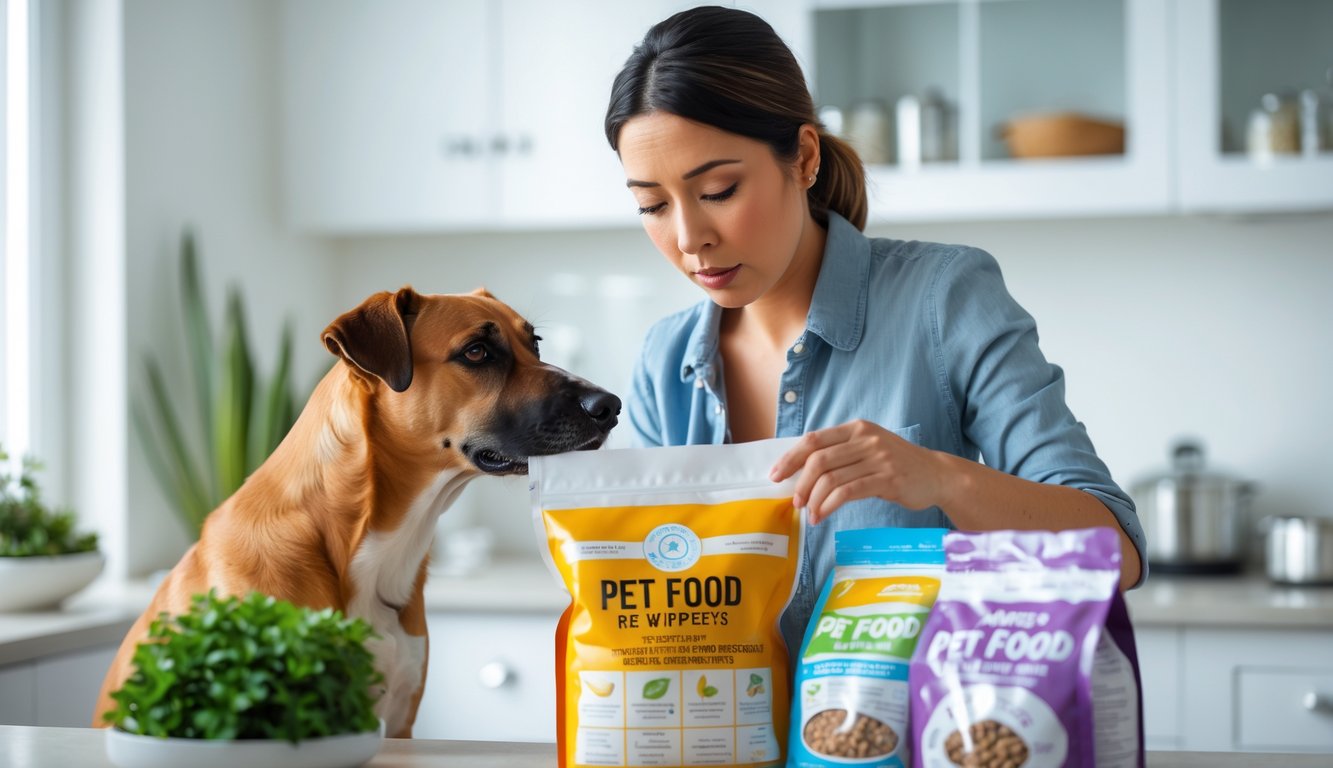
Here’s what I’ve learned: major pet food companies invest millions in safety research and nutritional science. Honest communication helps pet parents make smarter choices about what goes in their pets’ bowls.
Myth-Busting: Industry Efforts for Safe Nutrition
I’ll be real—I used to think pet food companies just tossed in whatever was cheap and called it dinner.
Then I looked closer. The Pet Food Institute says their members make 98% of all U.S. pet food and put big money into safety protocols.
What actually happens behind the scenes:
• Multi-million dollar testing facilities for batch screening
• Nutritionist teams working for years on recipes
• Quality control checkpoints at every step
• Veterinary partnerships for ongoing research
I was honestly shocked to learn that pet food is one of the most tightly regulated food categories in the U.S. Companies have to meet strict FDA and state standards.
The 2007 melamine recalls? That disaster led to tougher safety measures. Now companies test for stuff they never even checked before.
If a company ruins its reputation with one bad product, it’s done. That’s huge motivation to get things right.
Transparency and Education: How Brands Communicate with Pet Parents
Ever notice how pet food packaging has gotten more detailed over the years? That’s not an accident.
I’ve watched the transparency revolution unfold in real time.
Companies now share:
• Ingredient sourcing locations
• Manufacturing facility information
• Feeding guidelines based on life stages
• Complete nutritional breakdowns
Many brands publish ingredient glossaries so you know exactly what “chicken meal” means. (It’s actually protein-concentrated chicken, by the way.)
The smart companies realize something crucial: educated pet parents become loyal customers.
When I understand why my dog needs certain nutrients, I’m more likely to stick with that brand.
Social media changed everything, too. Companies can’t hide behind vague marketing anymore.
Pet parents ask tough questions and expect real answers.
I’ve seen brands host live Q&A sessions with their veterinary nutritionists.
They’re literally inviting scrutiny because they’re confident in their products.
That said, always do your homework. Look for companies that publish research, partner with veterinary schools, and aren’t afraid to explain their processes in plain English.
Myth #7: Pet Food Myths on Social Media — Who Can You Trust?
Let’s be real — when I scroll through social media, I see pet nutrition “advice” everywhere. The problem is that most of it comes from people with zero qualifications, and misinformation in the pet food market abounds.
Influencers, Trends, and Viral Claims in Pet Nutrition
You know that feeling when your favorite pet influencer swears by some trendy new diet? I get it — they seem trustworthy with their adorable dogs and thousands of followers.
Here’s the kicker: most pet influencers aren’t trained in animal nutrition. They’re just regular pet owners like you and me, but with better cameras.
Common red flags I see on social media:
- Claims that one ingredient will “cure” everything
- Before-and-after photos without context
- Dramatic statements like “vets don’t want you to know this”
- Pushing expensive supplements without evidence
Think of viral pet food trends like diet fads for humans. Remember when everyone said carbs were evil?
Now we know that’s not true for our pets either — carbohydrates are beneficial to dogs and cats.
I’m not saying all pet content creators are wrong. Some do their research and work with professionals.
But you need to dig deeper than a cute video.
Finding Reliable Advice: Trusting Veterinarians and Nutritionists
If you’ve ever felt overwhelmed by conflicting pet nutrition advice online, you’re not alone.
Even clinicians are faced with an ever-growing range of diets and conflicting information.
Your veterinarian spent years studying animal health and nutrition. They understand your specific pet’s needs, health conditions, and life stage requirements.
When I need real answers, I look for:
- Board-certified veterinary nutritionists
- Licensed veterinarians with nutrition training
- Peer-reviewed research studies
- Professional veterinary organizations
Here’s what makes veterinarians different from social media experts: they can actually examine your pet.
They know if your senior dog needs different nutrition than a puppy, or if your cat’s kidney issues require special dietary changes.
I always tell pet owners to screenshot those viral nutrition claims and bring them to their next vet visit. Ask questions like “Is this actually helpful for my pet?”
Most vets appreciate when you fact-check information instead of just following trends blindly.
The truth is, veterinary nutrition is an incredibly complex subject.
What works for one pet might not work for another, even if they’re the same breed and age.
Frequently Asked Questions
Pet owners ask tons of questions about what’s really safe and healthy for their furry friends.
I’ve noticed the same concerns pop up again and again about grain-free diets, sharing human food, protein sources, and whether commercial pet food companies are being honest with us.
Why do some believe that grain-free diets can harm dogs, and what’s the real scoop on that?
Ever heard someone say grain-free diets are dangerous for dogs? Let me break down what actually happened here.
The scare started when some dogs eating grain-free foods developed a heart condition called dilated cardiomyopathy (DCM).
Pet parents understandably freaked out. I get it – I would too.
But here’s what the research actually shows. The FDA investigated and found that most dogs eating grain-free diets were perfectly fine.
Only a tiny percentage developed heart issues.
The problem wasn’t necessarily the lack of grains. Some grain-free foods were heavy on legumes like peas and lentils as protein sources.
These might interfere with how dogs process certain amino acids needed for heart health.
The real issue was poor formulation, not grains being evil or magical.
Many grain-free foods just weren’t balanced properly. Quality matters way more than whether grains are present or not.
If your dog thrives on grain-free food and it’s well-formulated, don’t panic.
But if you’re worried, chat with your vet about switching to a food that meets nutritional standards for complete and balanced diets.
Thinking of sharing your dinner with your kitty? Ever wonder whether what’s in your plate could be bad for your feline friend?
I totally understand the urge to share that delicious salmon with your cat. Those pleading eyes are hard to resist, right?
But here’s the thing – human food can actually mess with your cat’s nutrition in ways you might not expect.
Cats need very specific nutrients that human meals just don’t provide.
Take taurine, for example. Cats literally can’t make this amino acid themselves and need it from their food.
Without enough taurine, they develop serious heart and eye problems.
Your dinner might also contain stuff that’s toxic to cats.
Onions, garlic, grapes, and chocolate can make them seriously sick. Even small amounts add up over time.
Plus, cats are way smaller than us. That tiny piece of cheese might seem harmless, but it could be like you eating a whole pizza slice in terms of calories.
If you want to treat your kitty, stick to cat-safe options. A small piece of plain cooked chicken or fish works great.
Your cat will still feel special, and you won’t worry about accidentally harming them.
Have you heard folks argue about whether lentils belong in dog food? Let’s chew on that topic.
The lentil debate gets pretty heated in dog owner circles. Some people act like lentils are poison, while others swear they’re perfect protein sources.
Let me give you the real story. Lentils aren’t inherently bad for dogs.
They’re actually packed with protein, fiber, and nutrients that can benefit your pup.
The concern comes from that grain-free diet research I mentioned earlier.
Some dogs eating foods heavy in legumes like lentils developed heart issues. But correlation doesn’t equal causation.
The problem was likely the overall formula, not lentils specifically.
When pet food companies remove grains, they often replace them with tons of peas, lentils, and potatoes.
This can throw off the amino acid balance dogs need.
Think of it like this – lentils are fine as part of a balanced diet. But if someone ate nothing but lentils for every meal, they’d probably have health issues too.
Quality dog foods use lentils alongside other protein sources and ingredients.
It’s all about balance, not demonizing individual ingredients.
Can different proteins like lamb or chicken in dog food really make a difference, or is it all just bark and no bite?
You know how some people do better with fish than red meat? Dogs can be the same way with different protein sources.
The protein source absolutely matters, especially for dogs with allergies or sensitivities.
I’ve seen dogs with constant itching and stomach issues completely transform when switched from chicken to lamb or fish.
Chicken is the most common protein in dog food, which also makes it the most common allergen.
Not because chicken is bad, but because dogs get exposed to it so much that some develop reactions over time.
Novel proteins like venison, duck, or fish can be game-changers for dogs with food sensitivities.
These proteins are less likely to trigger reactions simply because most dogs haven’t eaten them as much.
Different proteins also have different amino acid profiles. Fish provides omega fatty acids that are amazing for coat health.
Lamb tends to be easier on sensitive stomachs.
But here’s the kicker – a healthy dog with no allergies will probably do fine on any quality protein source.
The processing and overall nutrition matter more than whether it’s chicken versus beef.
If your dog is thriving on their current food, don’t fix what isn’t broken.
But if you notice skin issues, stomach problems, or other symptoms, trying a different protein might help.
Ever stumbled upon debates about commercial pet food potentially being misleading? Let’s dig into the truth behind those labels.
I get why pet food labels feel confusing and sometimes sketchy. The marketing can be pretty misleading, even when the actual food is decent.
Pet food is actually heavily regulated—more than you’d probably guess.
The Pet Food Institute points out that commercial pet food is among the most regulated food categories in the United States.
The FDA, USDA, and state regulators all have their hands in pet food oversight. Every ingredient needs approval or recognition by AAFCO before it can go in commercial pet food.
But the marketing language? That’s where things get tricky. Words like “natural,” “premium,” and “gourmet” don’t have strict legal definitions.
Companies can slap these terms on pretty much anything. It’s honestly kind of wild.
Here’s what actually matters on the label: Look for “complete and balanced” nutrition statements.
Check that it meets AAFCO standards for your dog’s life stage. The ingredient list tells you way more than the fancy marketing copy on the front.
Don’t get fooled by ingredient splitting either. Companies sometimes list corn as “corn,” “corn gluten meal,” and “ground corn” separately to make meat.