
Ever wonder if you’re feeding your large breed dog the right way? Large breed dogs have unique nutritional needs that differ from smaller dogs—they need controlled growth rates and specific nutrient ratios to avoid developmental problems.
I’ve seen too many well-meaning pet parents unknowingly set their gentle giants up for joint issues and health problems just because they treat their Great Dane like a supersized Chihuahua.
What works for my neighbor’s Beagle could actually harm your German Shepherd or Golden Retriever. Large breed dogs face specific nutritional problems that require careful attention to calcium levels, growth rates, and feeding schedules.
Getting it wrong during puppyhood can lead to painful conditions that last a lifetime.
I’ll walk you through the science-backed feeding strategies that support healthy bone development and the must-have nutrients that keep joints strong. Let’s talk about the common mistakes even experienced dog owners make when choosing food for their big dogs.
Key Takeaways
- Large breed dogs need controlled growth rates with specific calcium and phosphorus ratios to prevent bone problems
- Puppies should eat specially formulated large breed food to avoid growing too fast and damaging their joints
- Adult large breeds require careful weight management and joint-supporting nutrients throughout their lives
The Unique Nutrition Needs of Large and Giant Breed Dogs
Large and giant breed dogs face completely different metabolic challenges than their smaller cousins. They need carefully balanced calories and controlled growth rates to avoid serious joint problems.
I’ve seen too many Great Dane puppies develop hip dysplasia because their owners didn’t understand these critical differences.
What Sets Large Dogs Apart
Your dog’s size creates unique nutritional demands that can’t be ignored.
Growth Rate Control is Everything
Large dogs grow at lightning speed during their first year. A Chihuahua reaches adult size at 6 months, but your German Shepherd might not stop growing until 18-24 months.
This extended growth period means nutritional problems of large and giant breed dogs can develop quickly if you don’t get nutrition right.
Joint Development Vulnerability
Your large breed puppy’s joints start as soft cartilage that slowly hardens. Feed them too much calcium or let them grow too fast, and you’re setting them up for:
- Hip dysplasia
- Elbow dysplasia
- Osteochondrosis
Metabolic Differences You Can’t Ignore
Giant breed dogs actually have slower metabolisms per pound than small dogs. They need fewer calories per pound of body weight than a Yorkie.
Common Nutrition Myths for Big Breeds
I hear these myths all the time at the clinic.
Myth: “More Protein = Bigger, Stronger Dog”
Nope. The influence of dietary protein content on growth in giant breed dogs shows that excess protein just creates faster growth that damages joints.
The Reality: Large breed puppies need 22-24% protein maximum. Small breed puppies can handle 28-30%.
Myth: “Puppy Food Until They’re Done Growing”
This one makes me cringe. Regular puppy food has too many calories for large breeds.
Your Mastiff puppy needs specific large-breed puppy food with controlled calcium and phosphorus ratios.
Myth: “Free Feeding is Fine”
Never free-feed a large breed puppy. Studies show Great Dane puppies fed ad libitum developed significantly more joint problems than those on controlled portions.
Myth: “Adult Food at 1 Year”
Giant breeds like Saint Bernards aren’t done growing until 24 months. Switch too early and you’ll stunt their development.
How Energy and Calorie Needs Shift by Size
This is where size really matters for your dog’s health.
Calorie Needs by Size Category:
| Dog Size | Adult Calories per Pound |
|---|---|
| Small (under 20 lbs) | 40-50 calories |
| Large (50-90 lbs) | 20-25 calories |
| Giant (over 90 lbs) | 18-22 calories |
Why Large Dogs Need Fewer Calories Per Pound
It’s like heating a house. A small house loses heat faster than a mansion. Small dogs have more surface area relative to their body mass, so they burn energy faster.
Age-Related Calorie Shifts
Your large breed dog’s calorie needs change a lot as they age:
- Puppyhood (4-12 months): Highest calorie density needed
- Adolescence (1-2 years): Gradual reduction as growth slows
- Adulthood (2-6 years): Stable, moderate calories
- Senior (7+ years): Energy requirements decrease by 10-20%
The Growth Rate Sweet Spot
I recommend large breed puppies gain 2-4 pounds per week maximum. Any faster and you’re risking joint damage. Any slower might mean underfeeding or health issues.
Check your puppy’s body condition every week. You should feel their ribs easily but not see them sticking out.
Feeding Large Breed Puppies: Growing Right, Not Just Fast

Large breed puppies need special nutrition to prevent joint problems and ensure healthy development. The wrong food can cause rapid growth that damages bones and leads to lifelong issues.
Why Regular Puppy Food Isn’t Enough
I’ve seen too many owners feed their Great Dane puppy the same food as a Chihuahua. Here’s the truth: regular puppy food makes large breed puppies grow too fast.
Standard puppy foods pack in more calories per cup than growth diets designed for large breed dogs. This creates a dangerous situation.
When your German Shepherd puppy grows too quickly, their bones can’t keep up. The soft growth plates get stressed and damaged.
Key differences between regular and large breed puppy food:
- Calories: Large breed formulas have fewer calories per cup
- Minerals: Lower calcium and phosphorus levels
- Growth rate: Designed for steady, controlled development
It’s kind of like building a house. You wouldn’t rush the foundation just to finish faster. The same goes for your puppy’s skeleton.
Preventing Hip Dysplasia and Growth Disorders
Hip dysplasia isn’t just genetic—nutrition plays a huge role. I wish more owners knew this before it’s too late.
Fast growing large breed puppies on diets low in proper nutrients develop serious problems. But feeding too many calories creates issues too.
Growth disorders from wrong nutrition:
- Hip dysplasia
- Elbow dysplasia
- Wobbler syndrome
- Panosteitis (growing pains)
The goal is moderate growth rates rather than maximum speed. Your Labrador puppy should gain weight steadily, not shoot up like a rocket.
Signs of too-rapid growth:
- Limping or favoring legs
- Reluctance to play or exercise
- Swollen joints
- Difficulty getting up
Proper large breed puppy nutrition prevents skeletal diseases by controlling mineral content. It’s like giving your puppy’s bones time to mature properly.
Spotting the Right Puppy Food Label
Dog food labels can feel like reading a foreign language. Let me break down what actually matters for your large breed puppy.
Look for these exact phrases on the label:
- “Formulated for large breed puppies”
- “Meets AAFCO nutritional standards for large breed growth”
- “For puppies over 70 pounds adult weight”
Key numbers to check:
- Calcium: 1.2-1.8% maximum
- Phosphorus: 1.0-1.6% maximum
- Fat: 12-15% (not higher)
- Protein: 22-26%
Avoid foods that just say “for all life stages.” Your Saint Bernard puppy isn’t the same as a Yorkie.
Red flags on labels:
- High calcium percentages (over 2%)
- “Maximum growth” claims
- No mention of large breeds
- Generic “puppy food” without specifics
I always tell owners to check the feeding guidelines too. Large breed formulas recommend different portions based on expected adult weight.
The first ingredient should be a named meat source. If you see “meal” don’t panic—chicken meal is actually more concentrated protein than fresh chicken.
Quick label check:
- Find “large breed puppy” on the front
- Check calcium levels
- Verify AAFCO statement
- Look at feeding guidelines for your puppy’s size
Must-Have Nutrients for Large Breed Dog Health
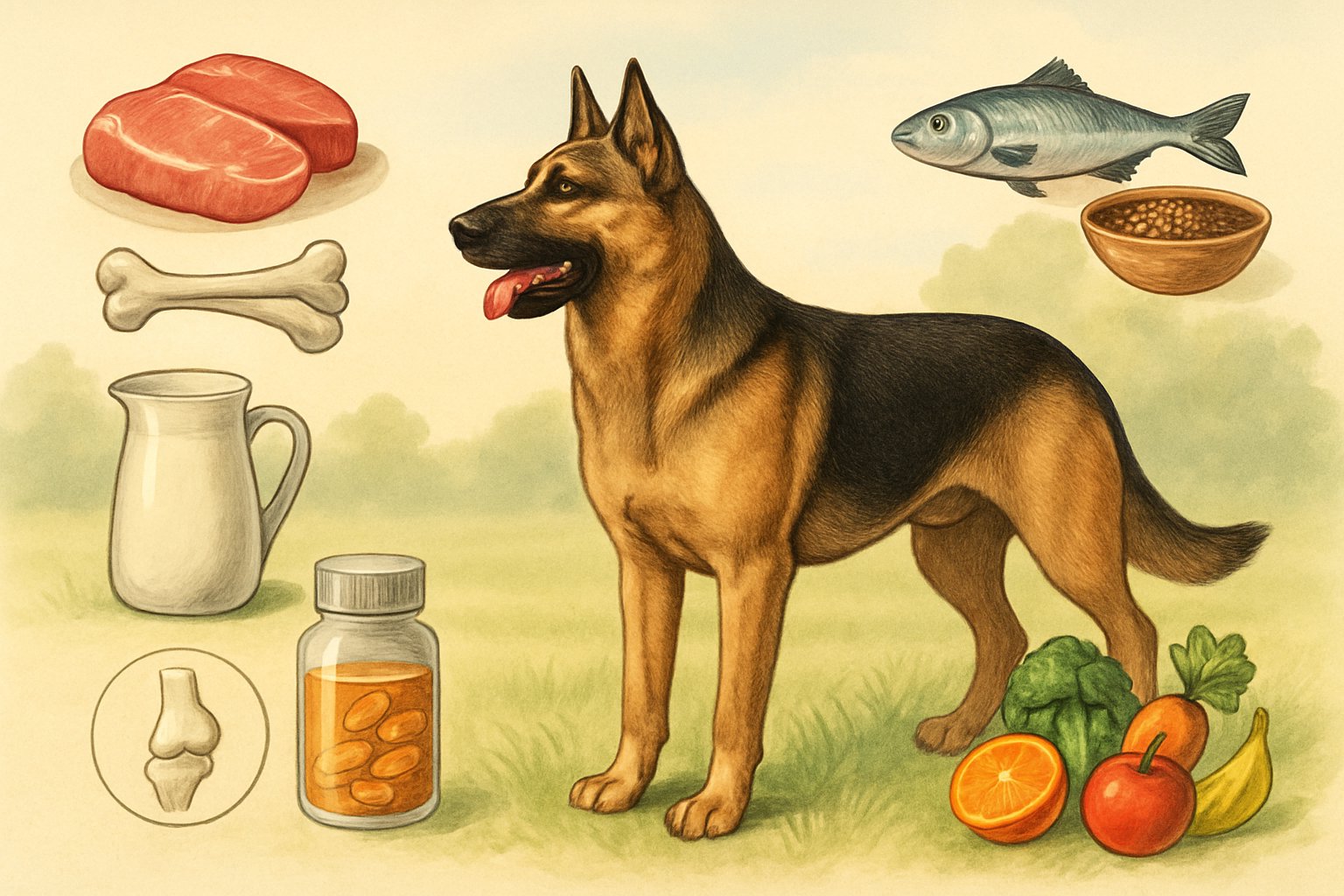
Large breed dogs need specific nutrients to support their massive frames and prevent joint problems that can steal years from their lives. I’ve seen too many Great Danes and German Shepherds struggle with hip issues because their owners didn’t understand the power of proper nutrition.
High-Quality Protein: Meat, Fish, and Eggs
Your gentle giant needs premium protein to build those powerful muscles without putting stress on developing joints. I can’t tell you how many times I’ve watched large breed puppies grow too fast on cheap kibble packed with plant proteins.
Fish gives your dog complete amino acids plus omega-3s that fight inflammation. Think salmon, mackerel, or sardines—not mystery “fish meal” from questionable sources.
Eggs pack all essential amino acids in perfect ratios. I feed my own dogs whole eggs twice a week because they’re nature’s protein powerhouse.
Here’s what I look for in quality protein sources:
- Named meats (chicken, beef, lamb) – not “poultry meal”
- Fresh fish listed in the first three ingredients
- Whole eggs rather than egg powder
The magic number? About 22-26% protein for large breed puppies and 18-22% for adults. Too much protein makes them grow too fast, leading to joint problems later.
Powerhouse Minerals and Vitamins
Large breed dogs walk a tightrope with minerals—too little causes deficiencies, too much creates joint disasters. I’ve learned this the hard way watching friends’ dogs develop hip dysplasia from improper calcium ratios.
Calcium and phosphorus must stay balanced at 1.2:1 ratio. When this gets out of whack, your dog’s bones grow wrong. Period.
Glucosamine and chondroitin aren’t just for old dogs. I start my large breeds on these joint protectors early because prevention beats treatment every time.
Key minerals your giant needs:
| Mineral | Why It Matters | Best Sources |
|---|---|---|
| Calcium | Bone development | Bone meal, dairy |
| Phosphorus | Works with calcium | Meat, fish |
| Zinc | Immune function | Red meat, eggs |
| Copper | Joint health | Liver, shellfish |
Proper nutrition systems ensure harmonious growth in large breeds through careful mineral balance.
The Importance of Fatty Acids (EPA & DHA)
Your big dog’s joints take a beating every day. EPA and DHA fatty acids act like internal oil changes, keeping everything moving smoothly and reducing inflammation that destroys cartilage.
I feed fish oil daily because these omega-3s don’t just help joints—they boost brain function and keep coats shiny. Your German Shepherd’s intelligence depends partly on proper fatty acid nutrition.
EPA fights inflammation at the cellular level. Think of it as your dog’s personal fire department, putting out inflammatory fires before they damage joints.
DHA supports brain development and function. Large breed puppies need this for proper cognitive development during their extended growth phases.
Best sources I recommend:
- Wild-caught fish oil (not farm-raised)
- Krill oil for better absorption
- Flaxseed oil as a plant-based backup
Aim for 20-55mg of combined EPA/DHA per pound of body weight daily. So my 80-pound Lab gets about 1,600-4,400mg daily through supplements and fish-based meals.
Balanced diets avoid nutritional deficiencies while supporting optimal health in large breed dogs.
Choosing the Best Food for Every Life Stage
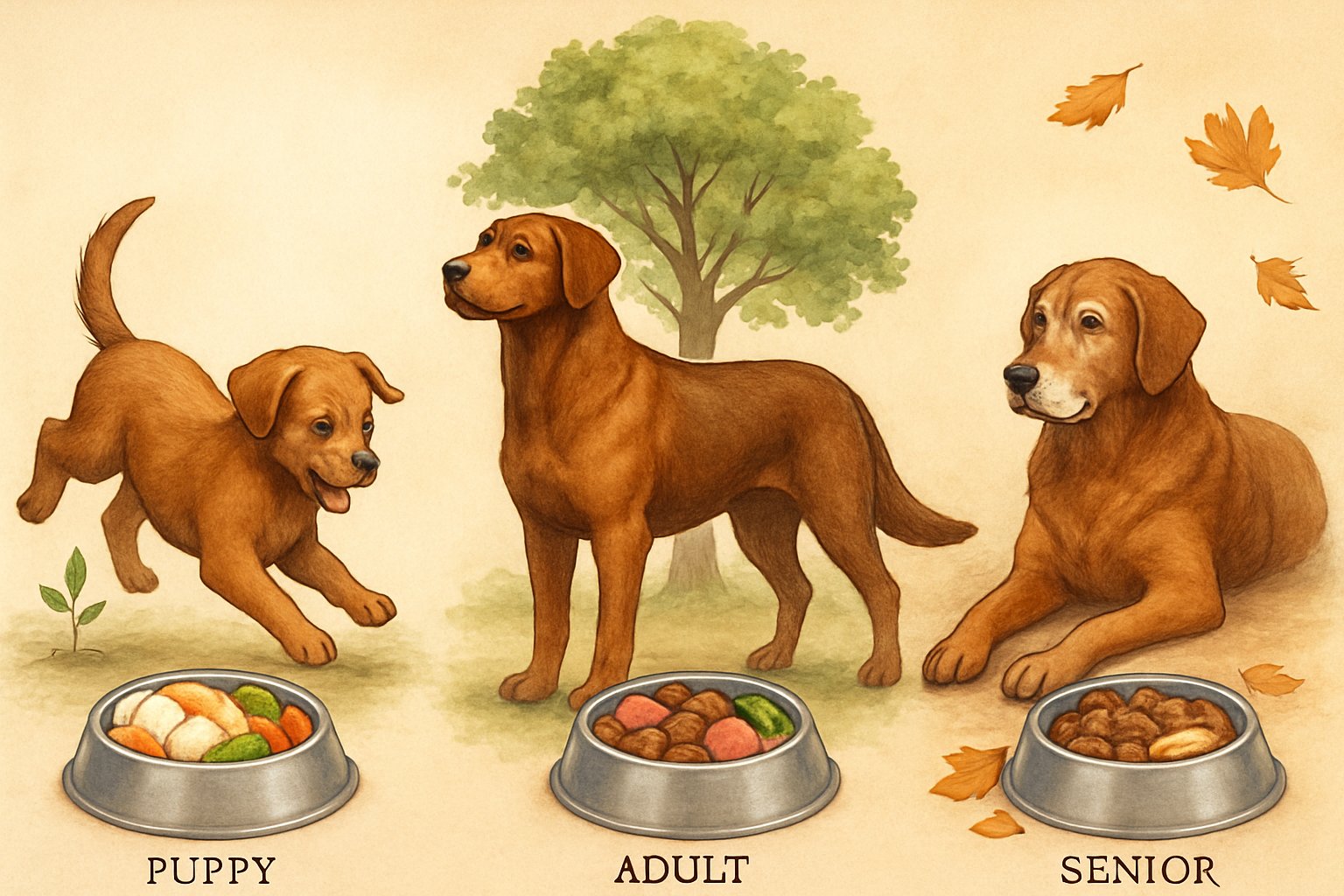
Picking the right large breed dog food changes as your gentle giant ages from a playful adult to a wise senior. Adult dogs need balanced nutrition to maintain their energy, while senior pups require specialized formulas to support aging joints and slower metabolisms.
Adult Large Breed Dog Food
Let me tell you—feeding an adult large breed dog isn’t just about filling a bigger bowl. I’ve learned that dog food for large breeds needs specific protein and fat ratios to keep these magnificent dogs healthy without adding unnecessary weight to their frames.
Dry dog food works great for most adult large breeds. Look for formulas with 22-26% protein and 12-15% fat.
These percentages give your dog steady energy without overloading their system. I always check the first ingredient.
It should be a named meat source like “chicken” or “salmon”—not “meat by-products.” This tells me the food prioritizes quality protein.
Key features to look for:
- Glucosamine and chondroitin for joint support
- Controlled calcium levels (1.2-1.8%)
- L-carnitine to maintain lean muscle mass
- Omega fatty acids for coat health
Wet dog food can work too, but it’s pricier per serving. Many owners mix both—using wet food as a topper to make dry kibble more appealing.
This combo gives you cost savings plus flavor variety. Adult large breed dogs typically eat 3-5 cups daily, split into two meals.
I recommend measuring portions rather than free-feeding, since proper body condition maintenance prevents joint stress and other health issues.
Senior Nutrition: Aging Gracefully
When my large breed dog hit seven years old, I noticed subtle changes. Less bouncing around the yard, slower morning rises, maybe a bit more gray around the muzzle.
That’s when I switched to senior-specific nutrition. Senior large breed dog food contains fewer calories but more nutrients.
These formulas typically have 18-25% protein to maintain muscle mass while accounting for decreased activity levels.
Essential senior dog food features:
- Enhanced glucosamine levels (800mg minimum)
- Added antioxidants like vitamin E and C
- Easily digestible proteins
- Reduced phosphorus for kidney support
- Higher fiber content for digestive health
I prefer dry dog food for seniors because the kibble helps scrape tartar from aging teeth. However, if your senior dog has dental issues, soaking kibble or switching to wet dog food makes eating easier.
Dogs’ life stages alter nutritional approaches, and senior dogs often need smaller, more frequent meals.
I feed my senior large breed dog 2-3 smaller portions daily instead of two large ones. Watch for appetite changes, weight fluctuations, or eating difficulties.
These signs might indicate it’s time to adjust their diet or consult your vet about specialized senior nutrition needs.
Spotlight Ingredients for Joint & Bone Health
Glucosamine and chondroitin work like repair crews for your large breed’s cartilage, while early prevention can save your dog from painful hip dysplasia and joint problems down the road.
How Glucosamine and Chondroitin Help
Let’s be real—if you’ve got a German Shepherd or Great Dane, you’re probably already worried about their joints. I get it.
Glucosamine acts like your dog’s personal cartilage mechanic. It helps rebuild the cushiony stuff between bones that wears down over time.
Cartilage is basically the shock absorbers in your car. Without enough glucosamine, those shock absorbers get bumpy and worn out.
Chondroitin teams up with glucosamine to keep cartilage flexible and hydrated. It’s like adding oil so things keep moving smoothly.
From veterinary experts who treat joint disease, I’ve learned you won’t see results overnight. Give it at least 4-6 weeks.
Key benefits include:
- Reduced joint inflammation
- Better cartilage repair
- Improved mobility in arthritic dogs
- Slower progression of joint damage
These supplements work best for mild to moderate cases. Severe arthritis needs more aggressive treatment.
Preventing Joint Issues in Large Dogs
Ever watched a Golden Retriever puppy try to navigate stairs? Those awkward movements aren’t just cute—they’re your first clue about joint health.
Hip dysplasia hits large breeds hardest. I’m talking Labs, Rottweilers, and Saint Bernards.
The good news? Joint supplements can start as early as 8 weeks old for at-risk puppies.
My prevention strategy:
- Start supplements during puppyhood for high-risk breeds
- Maintain healthy weight (every extra pound stresses joints)
- Choose joint-support diets with omega-3 fatty acids
- Provide controlled exercise, not marathon sessions
Weight matters more than you think. A 10-pound overweight dog puts 30-60 pounds of extra pressure on their joints with each step.
Think about it—would you want to carry a heavy backpack everywhere you go?
Red flags to watch for:
- Reluctance to jump or climb stairs
- Stiffness after naps
- Decreased playfulness
- Subtle gait changes
Feeding Strategies and Weight Management Tips
Managing your large breed dog’s weight really comes down to controlling their calories. Regularly check their body condition score so you can catch any weight changes early.
Portion Control vs. Free Feeding
Picture this: you leave a full bowl of kibble out for your German Shepherd, thinking you’re being kind. By evening, it’s gone—and your pup is begging for more.
Free feeding is your large breed dog’s fast track to obesity. When food sits out all day, you lose track of how much your dog eats.
I always recommend measured portions at set meal times. Here’s why this works better:
Portion Control Benefits:
- You track exact calorie intake daily
- Prevents overeating and food guarding
- Makes it easier to adjust food amounts
- Helps with house training schedules
How to portion correctly:
- Use a measuring cup, not a random scoop
- Follow feeding guidelines on your dog food bag
- Divide daily amount into 2-3 meals
- Adjust calories monthly based on your dog’s weight changes
Most large breed dogs need 20-30 calories per pound of body weight daily. A 70-pound Golden Retriever needs about 1,400-2,100 calories depending on activity level.
Assessing Body Condition Score at Home
You don’t need a vet visit to check if your dog is getting chubby. Learning to assess body condition at home helps you catch weight gain before it becomes a problem.
The hands-on test works best. Stand behind your dog and place your hands on their ribcage.
What you should feel:
- Ideal weight: Ribs easily felt with light pressure, no fat covering
- Overweight: Need firm pressure to feel ribs through fat layer
- Underweight: Ribs visible and easily felt with no pressure
Visual cues from the side:
- Look for a visible “tuck” where the belly curves up toward the back legs
- The chest should be wider than the waist when viewed from above
Veterinary nutritionists recommend checking body condition score monthly. I suggest doing this simple check during your regular grooming routine.
Red flags to watch for:
- Can’t feel ribs without pressing hard
- No waist tuck visible
- Fat deposits around the neck and shoulders
- Heavy breathing during normal activity
If your dog scores above ideal, reduce their daily calories by 10-15%. Recheck in two weeks.
Frequently Asked Questions
Large breed dog nutrition raises specific questions about calcium ratios, feeding schedules, and growth requirements. I’ll address the most common concerns from giant breed owners about proper nutrition timing and kibble selection.
What’s the ideal balance of calcium and phosphorus in food for a puppy that’s going to grow up big and strong?
Here’s the thing about calcium and phosphorus—I see too many owners going overboard thinking more equals stronger bones.
The magic ratio is 1.2:1 calcium to phosphorus. That’s what large and giant breed puppies need for healthy development.
Too much calcium actually slows growth and causes joint problems. I’ve watched owners supplement thinking they’re helping, but they’re creating issues.
Your puppy’s kibble should contain 0.7-1.2% calcium and 0.6-1.1% phosphorus on a dry matter basis. Check the guaranteed analysis on the bag.
Never add calcium supplements unless your vet specifically recommends it. Quality large breed puppy foods already have the right balance built in.
Let’s be real, what’s on the top list of kibble for your gentle giants in their early stages?
I always tell new giant breed owners to look for AAFCO-approved large breed puppy formulas first.
Royal Canin Giant Puppy consistently ranks high because it controls growth rate perfectly. Hill’s Science Diet Large Breed Puppy is another solid choice I recommend often.
Purina Pro Plan Focus Large Breed Puppy offers great value without compromising nutrition. The protein stays around 26-30% which prevents rapid growth spurts.
Avoid grain-free formulas for large breed puppies. Recent studies link them to heart problems, and I’ve seen too many issues firsthand.
Look for foods with glucosamine and chondroitin already added. Your puppy’s joints will thank you later when they’re carrying 100+ pounds.
Ever wondered what’s the prime choice when it comes to dry food for your sizable companion?
Adult large breed dogs need different nutrition than puppies, and I get this question constantly.
Hill’s Science Diet Adult Large Breed remains my top recommendation. The kibble size matches their mouth, and the formula supports joint health perfectly.
Purina Pro Plan Large Breed Adult offers excellent digestibility. I love that it includes real chicken as the first ingredient.
Royal Canin Maxi Adult works well for dogs 56-100 pounds. Their Giant Adult formula handles the 100+ pound dogs beautifully.
Key features I look for: protein around 21-26%, fat content 10-15%, and added joint supplements. The nutritional needs of adult large breed dogs differ significantly from smaller breeds.
You know that look your pup gives you during mealtime? What’s in the bowl that keeps their tails wagging?
That expectant stare gets me every time, and I know exactly what creates that excitement.
Real meat as the first ingredient makes the biggest difference in palatability. Chicken, beef, or fish—dogs know quality when they taste it.
Added flavor enhancers like chicken fat or natural flavors boost appeal. But I prefer foods that taste good because of quality ingredients, not artificial additives.
Texture matters more than you think. Large breed dogs prefer bigger kibble they can actually crunch. Those tiny pieces just get inhaled without satisfaction.
Mix in small amounts of wet food or bone broth for extra appeal. Just keep it under 10% of their daily calories to maintain nutritional balance.
Fresh water always available keeps them happy and healthy. I see too many owners forget this basic need.
Giant breed owners, have you checked out the latest buzz on nutritious meals for your colossal canines?
The pet food industry keeps evolving, and I’m seeing some exciting developments for giant breeds specifically.
Fresh food delivery services now offer giant breed formulas. Companies like Farmer’s Dog and Ollie create custom portions based on your dog’s exact weight and activity level.
Freeze-dried raw foods are gaining popularity because they’re convenient but still provide raw nutrition benefits. Just add warm water and serve.
Functional ingredients are the new trend I’m watching. Foods with prebiotics, probiotics, and omega-3s built right in support overall health better than ever.
Limited ingredient diets help identify food sensitivities that giant breeds often develop. Blue Buffalo Basics and Hill’s Prescription Diet offer excellent options.
Looking to fill that big food dish? What guidelines should you follow to ensure you’re meeting all their growth needs?
Feeding a giant breed puppy isn’t about guessing—it’s about careful choices.
Feed 3-4 smaller meals daily until they’re 6 months old. Those big bellies just can’t handle huge meals safely, and smaller portions help prevent bloat.
Grab a measuring cup, not a scoop. I’ve seen plenty of folks just eyeball it, but these puppies really need precise amounts based on their weight right now.
Monitor body condition weekly. You should feel their ribs without seeing them. If they get too chubby, joint issues can stick around for life.
Switch to adult food somewhere between 12 and 18 months, but it depends on the breed. Great Danes seem to mature faster than Saint Bernards—so it’s worth checking your specific dog’s timeline.
Never free-feed large breed puppies. Scheduled meals keep overeating in check and make house training easier. Plus, you’ll spot any appetite changes that could mean something’s up with their health.