

Your dog turns his nose up at dinner again, and you can’t help but wonder if you’re missing something. Getting solid veterinary advice on pet nutrition can make the difference between a thriving pet and one with nagging health issues.
I’ve watched so many pet parents get lost in the sea of online advice, flashy packaging, and tips from friends. It’s honestly overwhelming.
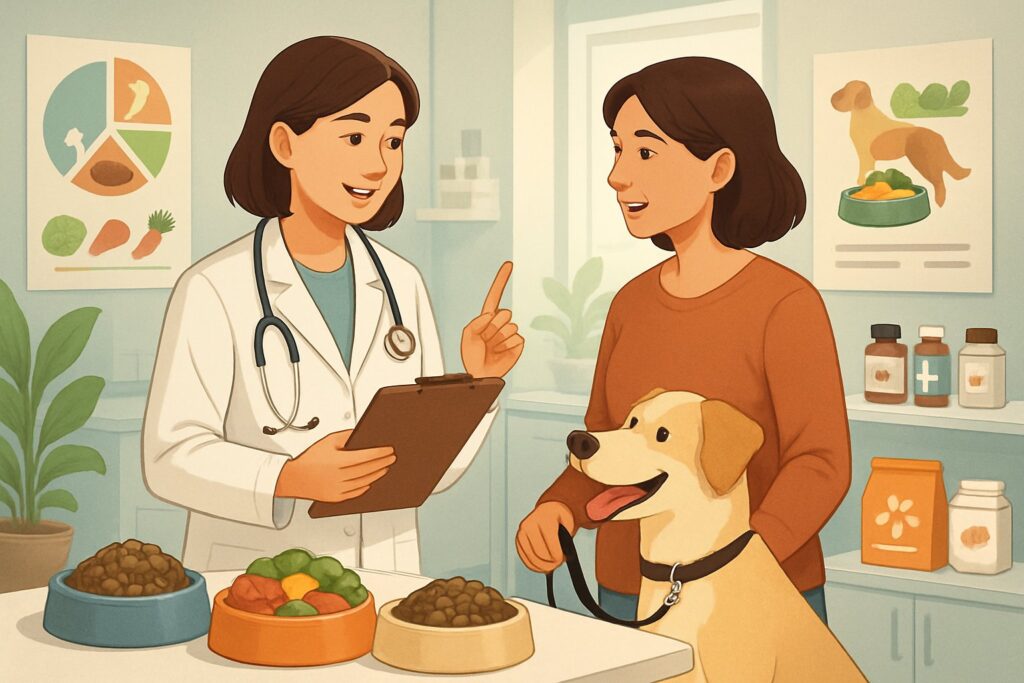
The truth? Vets want to give you real nutritional guidance, but most pet owners don’t realize how crucial these conversations are. Your vet isn’t just pushing pricey food—they’re actually looking at your pet’s age, health, and quirks to help shape a nutrition plan that fits.
Let’s walk through what you need to know to work with your vet on your pet’s diet. You’ll pick up tips to decode food labels, spot the need for special nutrition, and notice the signs that it’s time to call in a pro.
Vet Advice on Pet Nutrition – Key Takeaways
- Your veterinarian is hands-down the best source for nutrition advice tailored to your pet’s health and life stage.
- Learning to read food labels and spot quality ingredients helps you make smarter choices between vet visits.
- Senior pets and those with health issues need nutrition plans that only a veterinary professional can design safely.
Why Pet Nutrition Matters More Than You Think
What your pet eats changes how long they live and how much energy they have. A lot of people make simple feeding mistakes that slowly chip away at their pet’s health.
How Nutrition Impacts Lifespan and Energy
Let’s be honest—what you put in your dog or cat’s bowl today shapes their tomorrow. Bad nutrition isn’t just about a dull coat or low energy. It can actually cut their life short.
Good nutrition supports every cell in your pet’s body. Their heart needs the right nutrients to keep pumping. Their brain relies on healthy fats to stay sharp. Muscles? They need protein to stay strong.
I’ve watched pets change completely after owners switched to better food. That tired old dog can suddenly act like a puppy again. Dog owners who check in with their vet regularly get better nutrition guidance.
Key nutrients that boost lifespan:
- Protein – builds and repairs muscles
- Omega-3 fats – reduce inflammation
- Antioxidants – fight cell damage
- Fiber – keeps digestion healthy
Young pets need different nutrition than older ones. Puppies need more nutrients than adults since they’re still growing.
Common Pitfalls Pet Owners Overlook
Here’s what I see all the time—and it honestly drives me a little nuts because it’s so fixable.
Mistake #1: Skipping the ingredient list. Cheap food with corn up front? Your pet deserves better. The first five ingredients are the heavy hitters.
Mistake #2: Too many treats. Treats should be no more than 10% of daily calories. More than that, and you’re throwing off their nutrition balance.
Most pet owners talk about either weight or nutrition with their vet, but rarely both. That’s a huge missed opportunity.
Mistake #3: Not changing portions as your pet ages. Needs shift with age, activity, and health. That puppy-sized portion won’t work for a senior dog.
Mistake #4: Believing marketing hype. Words like “natural” or “premium” don’t guarantee quality. Look for that AAFCO stamp instead.
Vets get frustrated when owners expect instant results from new foods. Give it 6-8 weeks before you judge a change.
The biggest mistake? Thinking all pet foods are basically the same. Trust me, they’re not. Your choice matters more than you think.
Understanding Pet Food Labels Like a Pro
Reading pet food labels the right way can save your pet from tummy troubles—and help you dodge overpriced, overhyped products. The trick is knowing which ingredients matter and which standards actually protect your pet.
Decoding Ingredients and Claims
Ever grabbed a bag because “chicken” was first, but your dog still seemed hungry? Yeah, been there.
The ingredient list tells a story. Ingredients show up by weight before cooking. “Chicken” might be mostly water, while “chicken meal” further down could actually pack more protein.
Here’s what I check right away:
- First 5 ingredients—that’s most of the food
- Named proteins (like chicken or beef, not just “meat”)
- Whole foods before by-products
Watch out for marketing tricks. “Natural” doesn’t mean organic or better. “Grain-free” isn’t always healthier for your pet.
I always look to see if the proteins come from whole sources. “Deboned chicken” sounds good, but “chicken meal” is actually more concentrated protein.
The right nutrition knowledge helps you cut through the marketing noise.
AAFCO & Regulatory Standards Explained
That tiny paragraph on the back of the bag? It’s actually gold if you know what to look for.
AAFCO statements are a must. The Association of American Feed Control Officials sets the rules that matter. Find phrases like “complete and balanced” or “formulated to meet AAFCO standards.”
There are two ways foods get AAFCO validation:
- Formulated to meet—nutrition calculated on paper
- Feeding trials—tested on real pets (that’s the better one)
I always lean toward foods that passed feeding trials. They’ve been proven in actual dogs and cats, not just on spreadsheets.
Life stage counts. Puppy food isn’t the same as senior food. The adequacy statement tells you which pets the food is for.
Some foods say “all life stages”—they meet the highest requirements but might be too rich for chill, adult pets.
How to Spot Quality vs. Gimmicks
Fancy packaging doesn’t mean good nutrition. I’ve seen $80 dog food bags with corn as the main ingredient—wild, right?
Red flags that scream “gimmick”:
- Over-the-top marketing (“superfood,” “ancestral diet”)
- No AAFCO statement
- Vague proteins (“meat meal” instead of “chicken meal”)
- Teeny feeding amounts that don’t add up
Quality signs I trust:
- Clear, sensible feeding guidelines
- Ingredient list you can actually read
- Company shares nutrition details beyond the basics
- Price matches the ingredient quality
The way people buy pet food shows that understanding labels beats falling for marketing.
Price per feeding beats price per bag. A $60 bag lasting two months is cheaper than a $30 bag that’s gone in three weeks.
I always do the daily cost math. Sometimes the “expensive” food saves you money because your pet needs less to get what they need.
Building the Right Diet for Your Pet’s Life Stage
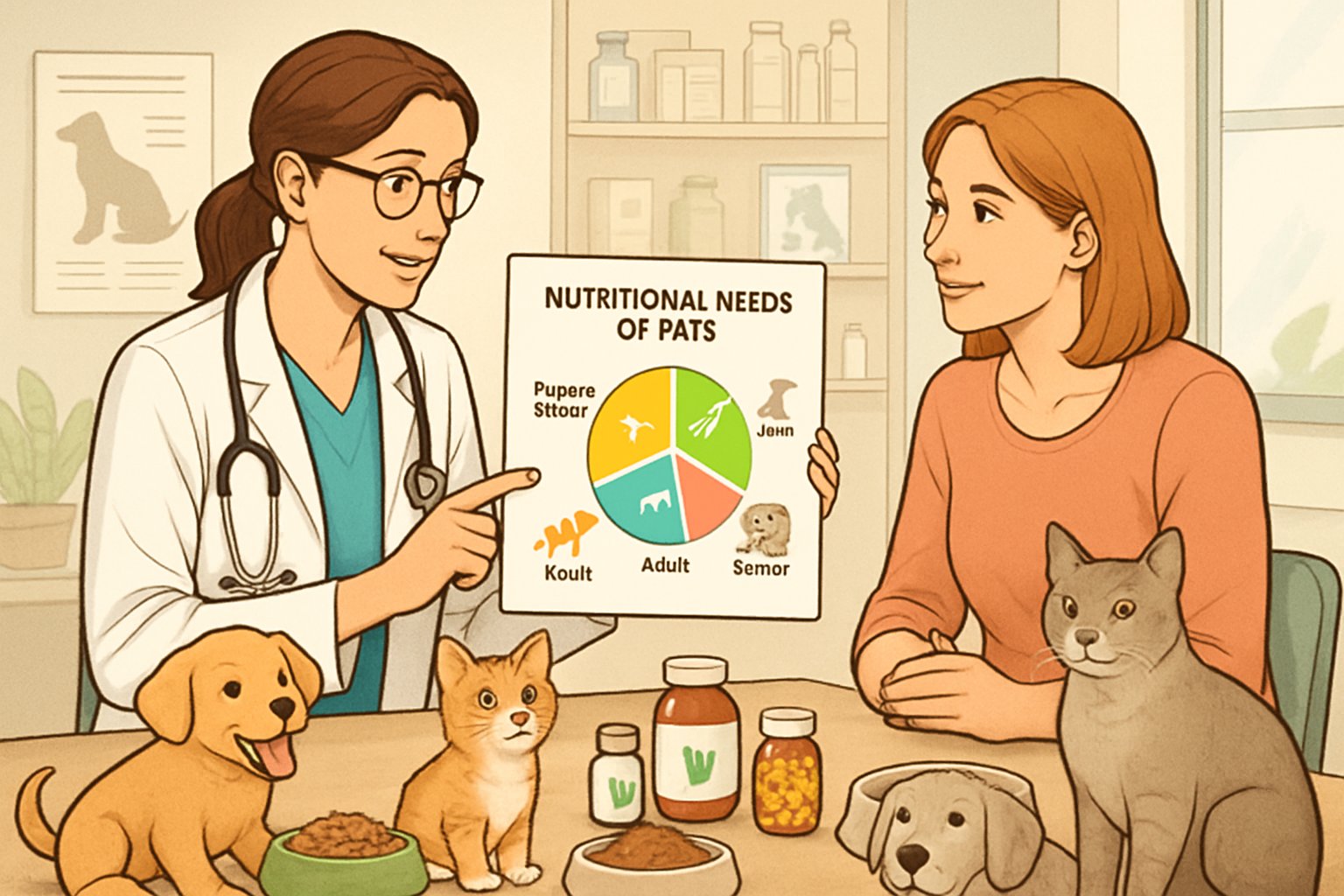
Every life stage brings new nutrition needs. Your puppy needs more calories than your senior dog. And your kitten’s protein requirements? Not the same as your adult cat’s.
Puppies, Kittens, and Growing Pets
Ever watched a puppy double in size almost overnight? That kind of growth needs serious nutritional fuel.
Growing pets burn twice as many calories per pound as adults. Their bodies are busy building bones, muscles, and organs at a wild pace.
I always remind pet parents that puppies and kittens have different nutritional requirements than adults. Protein should make up 22-32% of their diet, while adults only need about 18%.
Key nutrients for growing pets:
- High-quality protein for muscle growth
- Calcium and phosphorus for strong bones
- DHA for brain and eye development
- More frequent meals (3-4 times daily)
Don’t switch to adult food too soon. Large breed puppies should stay on puppy food until 12-18 months. Small breeds can usually transition around 9-12 months.
The wrong diet in this stage can cause lifelong problems. Too much calcium for large breed puppies can actually cause bone deformities.
Adult Maintenance Needs
Your adult pet has hit their sweet spot—they’re done growing, but they’re not slowing down yet.
Adult pets need balanced nutrition to maintain their current weight and support daily activities. Think of it as nutritional cruise control for pets.
Adult diet essentials:
- 18-25% protein for muscle maintenance
- Moderate fat content (8-15%)
- Balanced vitamins and minerals
- Consistent feeding schedule
I’ve seen a lot of pet parents get comfortable during this stage and stop checking their pet’s body condition. That’s when sneaky weight gain creeps in.
Your vet should check your pet’s body condition score at every visit. A score of 4-5 out of 9 is ideal—you should feel ribs easily but not see them.
Adult pets also benefit from mental stimulation like food puzzles or treat-dispensing toys. It keeps their minds sharp and helps prevent boredom eating.
Senior Nutrition Adjustments
No one really warns you that senior pets slow down, but their nutrition gets more complicated.
Senior pets require specialized nutrition to support aging bodies and help prevent age-related diseases. Dogs usually become seniors around 7, cats around 10-11.
Senior pet nutrition priorities:
- Easily digestible proteins (25-32% for healthy seniors)
- Reduced calories to avoid weight gain
- Joint support from glucosamine and omega-3s
- Antioxidants for cognitive health
I suggest more frequent vet visits as your pet ages. Your vet can spot early signs of kidney disease, arthritis, or cognitive decline that might call for dietary adjustments.
Some seniors need prescription diets for conditions like kidney or heart disease. Don’t guess—work with your vet to get it right.
Watch for these senior feeding changes:
- Decreased appetite or trouble chewing
- More frequent bathroom breaks
- Changes in water intake
- Weight loss or muscle wasting
FAQs
When should I switch my puppy to adult food?
Switch large breed puppies at 12-18 months and small breeds at 9-12 months. Watch their growth rate, not just their age—if they’re still growing fast, they still need puppy food.
How do I know if my adult pet is getting the right nutrition?
Your pet should stay at a healthy weight, have a shiny coat, good energy, and normal bathroom habits. Your vet can check their body condition score at regular visits.
Do senior pets really need special food?
Yes, seniors need easier digestion, joint support, and often fewer calories. Some need prescription diets for age-related health problems.
Can I feed the same food to all my pets of different ages?
I wouldn’t recommend it. Puppies and kittens need more calories and nutrients, while seniors often need specialized food. Each stage has its own needs.
How often should I change my pet’s diet as they age?
Transition slowly between life stages, and talk to your vet if health issues come up. Sudden changes can upset their stomach, so take about 7-10 days to switch foods.
What to Feed — and What to Avoid — for Healthier Pets
I’ve seen too many pets get sick from food mistakes their owners didn’t know about. The right nutrition can add years to your pet’s life, but the wrong foods can lead to emergency vet visits. It’s honestly heartbreaking.
Do’s and Don’ts: Vetted by Veterinarians
Let’s be honest—pet nutrition doesn’t have to be rocket science. I always tell people to stick with the basics that work.
The Golden Rules I Follow:
• Feed age-appropriate food: Puppies need puppy food, seniors need senior formulas
• Stick to scheduled meals: Free-feeding leads to overeating and obesity
• Choose high-quality protein: Look for real meat sources like “chicken,” not “poultry meal”
• Fresh water daily: Clean bowls keep bacteria away
What I Never Recommend:
• Generic or store-brand foods: They usually lack proper nutrients
• Frequent food switching: This can upset your pet’s stomach
• Raw diets without vet guidance: Handling alternative dietary requests needs professional advice
Healthy animals usually eat enough when you give them good options. I’ve noticed pets really do thrive when owners stick to these simple habits.
Your pet’s body condition should guide portion sizes. If I can’t feel their ribs easily, they’re probably carrying extra weight.
Dangerous Human Foods You Didn’t Expect
You know that look your dog gives you while you’re eating? Don’t fall for it—some human foods can literally kill them.
The Obvious Killers:
• Chocolate: The darker, the more dangerous
• Grapes and raisins: Even tiny amounts can cause kidney failure
• Onions and garlic: They destroy red blood cells
The Sneaky Ones That Surprise Pet Owners:
| Food | Why It’s Dangerous |
|---|---|
| Xylitol (sugar-free gum) | Can cause seizures in 30 minutes |
| Macadamia nuts | Leads to paralysis and tremors |
| Avocado | Causes heart problems in birds, stomach upset in dogs |
| Raw bread dough | Expands in the stomach, creates alcohol |
Ever seen a pet owner panic at 2 AM because their dog ate something toxic? I have, and it’s so preventable.
My Emergency Action Plan:
- Don’t induce vomiting unless poison control says so
- Call your vet right away—don’t wait for symptoms
- Keep activated charcoal handy for absorption
The sneakiest danger? Sugar-free products. They’re everywhere, and xylitol poisoning can happen fast.
Treats: How Much Is Too Much?
Honestly, I see more pet health problems from too many treats than from “bad” food. Sometimes, your love is literally killing them with kindness.
My 10% Rule:
Treats shouldn’t make up more than 10% of your pet’s daily calories. For a 50-pound dog, that’s maybe 2-3 small training treats a day.
Healthy Treat Options I Actually Recommend:
• Frozen carrot sticks: Great for teething puppies
• Apple slices (no seeds): Natural teeth cleaners
• Plain cooked chicken: High-value training rewards
• Frozen Kong with plain yogurt: Mental stimulation bonus
Red Flag Treats to Avoid:
• Rawhide bones: Choking and blockage risks
• Pig ears: Too high in fat
• Anything with artificial colors: No need for extra chemicals
Treats are like dessert for pets. You wouldn’t eat cake for every meal, right?
I tell my clients to use regular kibble as training treats. It works just as well and doesn’t mess up their nutrition.
Pro tip: If your pet gains weight, cut treats first—not their main food. Their regular meals have the nutrients they need; treats don’t.
FAQs
How do I know if my pet food is high quality?
Look for named proteins as the first ingredient and avoid foods with lots of fillers like corn or wheat gluten. Veterinary nutrition guidelines suggest choosing foods that meet AAFCO standards.
Can I feed my cat dog food or vice versa?
No—cats need taurine and other nutrients that dog food just doesn’t have. Healthy pets need species-appropriate nutrition, so stick to cat food for cats and dog food for dogs.
How often should I change my pet’s food?
Don’t switch foods unless there’s a health reason or a life stage change. Changing too often can upset their digestion and doesn’t help them nutritionally.
What should I do if my pet ate something toxic?
Call your vet or pet poison control right away. Don’t wait for symptoms, and don’t induce vomiting unless a professional tells you to.
How many treats can I give my pet daily?
Stick to the 10% rule—treats shouldn’t be more than 10% of your pet’s daily calories. For most dogs, that’s about 2-3 small treats a day, depending on their size and activity.
Personalized Nutrition: When to Ask Your Vet for Help
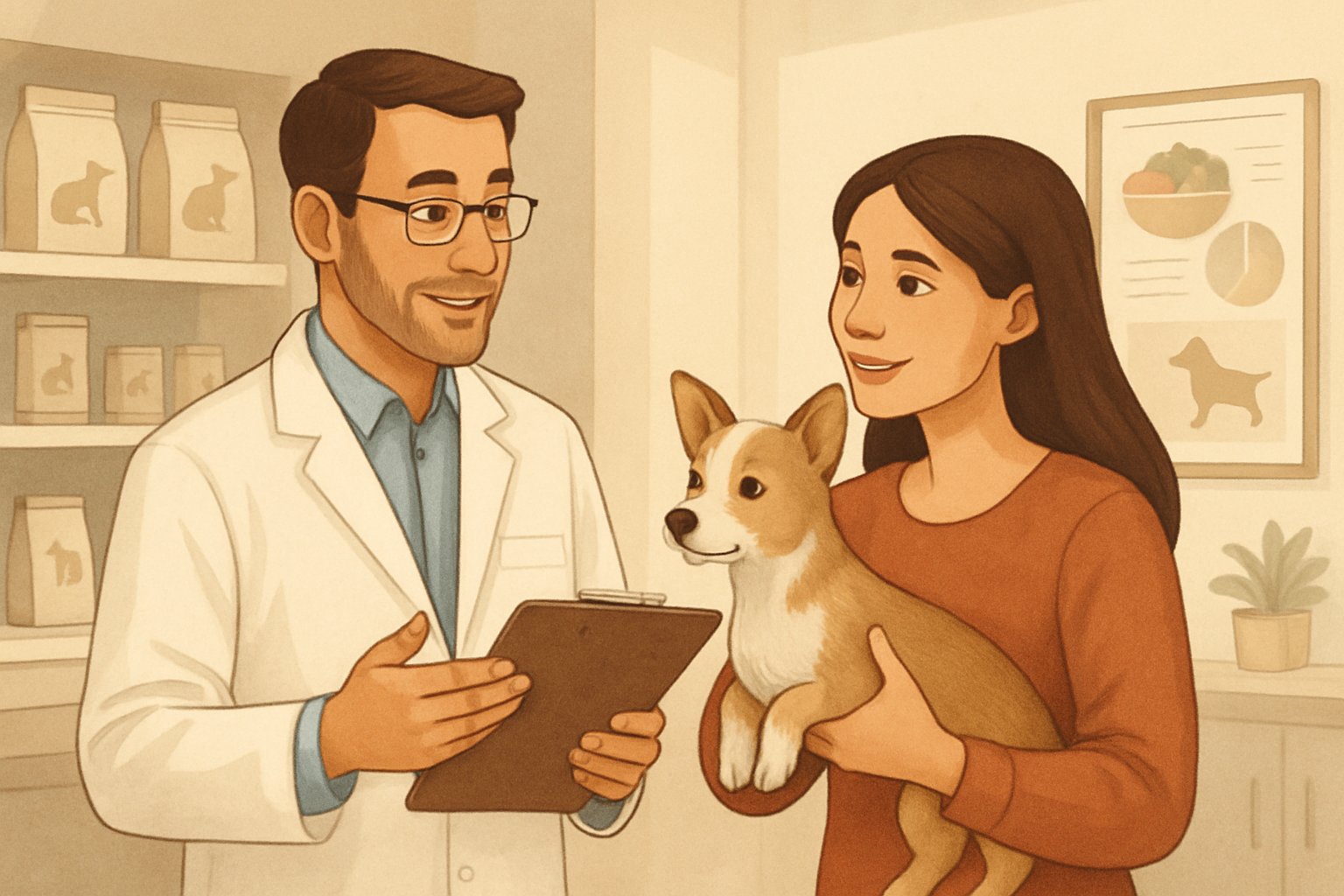
I’ve watched so many pet owners wrestle with generic feeding tips that just don’t fit their unique animals. Every pet really does have different needs, depending on age, health, and how they live their lives.
Sometimes, standard kibble just isn’t enough.
Signs Your Pet’s Diet Isn’t Working
Let me share what I notice when my own pet’s food isn’t cutting it. Your dog or cat will show you when their diet falls short.
Physical red flags usually show up first. Dull coat, too much shedding, or flaky, irritated skin can all point to diet problems.
If you’re sweeping up fur nonstop or your pet’s scratching like crazy, their food might be missing something important. That’s not normal.
Digestive issues are a big clue too. Frequent diarrhea, constipation, or vomiting after meals means something’s off.
Your pet shouldn’t have trouble with bathroom habits or leave you cleaning up messes every day.
Energy changes tell a lot. A dog who suddenly loses interest in walks, or a cat who just sleeps and sleeps, might not be getting the right fuel.
On the flip side, if your pet gets hyper after eating, that could mean a food sensitivity.
Weight problems catch my eye fast. If a pet gets chunky around the middle or I can’t feel their ribs, that’s a sign.
Veterinarians emphasize individualized nutritional assessments because those standard feeding charts often miss the mark.
Here’s what makes me call the vet right away:
- Constant begging even after regular meals
- Bad breath that could knock you over
- Mood changes or sudden aggression
- Drinking water excessively
Special Diets for Allergies & Conditions
Some pets really do need totally different nutrition plans. Guess wrong, and you can make things worse.
There’s no one best pet food for all pets. That’s why so many special diets exist.
Food allergies require some detective work. If your pet’s always itchy, gets ear infections, or has hot spots, they might react to common proteins like chicken or beef.
I’ve seen dogs improve on limited-ingredient diets that cut out trigger foods.
Medical conditions need precise nutrition. Kidney disease, diabetes, heart problems, and digestive issues all need special approaches.
A diabetic cat needs steady carbs and meal times. A dog with kidney trouble should get controlled protein.
Life stage changes matter a lot. Puppies and kittens need different formulas than seniors. Pregnant cats? Totally different requirements.
I always tweak feeding plans when my pets hit new milestones.
Breed-specific needs aren’t just a marketing thing. Large breed puppies need careful calcium to avoid joint problems. Small dogs burn calories faster and need more nutrient-dense foods.
Your vet can recommend:
- Prescription diets for medical issues
- Elimination diets to figure out allergies
- Weight management formulas for pets who are too heavy
- Senior formulas for aging animals
Nutritional assessments should happen at every vet visit so you can catch problems early.
Frequently Asked Questions
Pet owners ask me about nutrition all the time. The same worries come up whether you’re dealing with a picky eater or trying to decode food labels.
What’s the secret to picking the perfect food tailored to my pup’s health needs?
I always start with this: ask your vet first. Your dog’s age, breed, and any health issues matter way more than whatever the packaging claims.
Check the first five ingredients. They’re the bulk of what’s in the food.
Your dog’s life stage is everything. Puppies and seniors can’t eat the same stuff. Active dogs need more calories than couch potatoes.
Look for AAFCO approval on the bag. That means the food meets basic standards for dogs.
See how your dog reacts to new food. A shiny coat and steady energy say more than any ad could.
Does your kitty give you ‘the look’ when it’s mealtime? Ever wonder if they’re getting all the nutrition they crave?
That judgmental stare? I know it well. Your cat’s probably trying to tell you something about their needs.
Cats are obligate carnivores. They need meat, not corn or wheat fillers.
Check for taurine in the ingredients. Cats can’t make this essential amino acid on their own.
Wet food usually beats dry food for cats. It’s more hydrating and feels more natural to them.
If your cat snubs fancy food, don’t panic. Sometimes it’s just about texture or flavor.
Change their water every day. Fresh water matters just as much as good food.
Searching for the best chow for your furry pal? How do you navigate through the sea of doggy diets claiming to be the best?
Honestly, I get overwhelmed by pet food aisles too. Every bag claims it’s “premium” or “the best.”
Focus on your dog’s real needs first. A young, healthy Lab needs something different than an older dog with kidney issues.
Ignore buzzwords like “natural” or “holistic.” They don’t mean much legally.
Veterinarians are considered leading authorities on pet nutrition for good reason. Ask yours for brand suggestions.
Look for feeding trials on the label. Foods tested through AAFCO trials prove they work in real dogs.
Price doesn’t always mean quality. I’ve seen pricey foods with bad ingredients and affordable options that really deliver.
Here’s a puzzler: What treats pack both the flavor punch AND the nutrient-rich knockout your pets deserve?
Treats shouldn’t just taste good—they should help your pet’s health, too.
Single-ingredient treats are usually best. Freeze-dried liver, sweet potato chips, or salmon bits let you control what your pet eats.
I try to keep treats under 10% of my pet’s daily calories. More than that throws off their diet.
Training treats should be tiny. Your dog cares more about the reward than the size.
Fresh fruits like blueberries or apple slices make awesome low-calorie treats. Just skip grapes, raisins, and anything with xylitol.
Puzzle toys stuffed with a dab of peanut butter keep pets busy and sneak in some nutrients.
Ever thought about what goes into that kibble? Uncover the truth about what your four-legged friend is really snacking on.
Pet food ingredients can sound scary until you actually know what they are.
“Chicken meal” isn’t bad. It’s just concentrated protein with water removed. Sometimes it’s even better than “fresh chicken” in dry food.
By-products aren’t always a problem. Organs like liver and hearts are nutritious, and a lot of pets love them.
Preservatives keep food safe. Natural ones like vitamin E work well, but synthetic ones aren’t always harmful either.
The first ingredient weighs the most before cooking. After processing, meat can drop on the list because it loses water.
Vague terms like “poultry” or “meat” worry me more than seeing “chicken” or “beef” spelled out.
You’re striving to be the best pet parent, right? So, let’s decode those perplexing pet food labels together – what’s really a ‘balanced’ diet for your companion?
Pet food labels have to follow strict rules. Still, they’re confusing, aren’t they?
Let me break down what actually matters.
AAFCO statements tell you everything. Always check for “complete and balanced” and make sure it matches your pet’s life stage.
The guaranteed analysis lists minimum protein and fat, plus maximum fiber and moisture. These are just ranges, not precise numbers.
Ingredient lists go by weight. But here’s the catch: fresh meat has a lot of water, and most of it cooks away.
Pet owners who trust veterinary nutrition advice usually make better food choices. Honestly, I’d skip nutrition tips from pet store employees.
Feeding guidelines are just a starting point. Your pet’s activity, metabolism, and body shape really set their needs.


