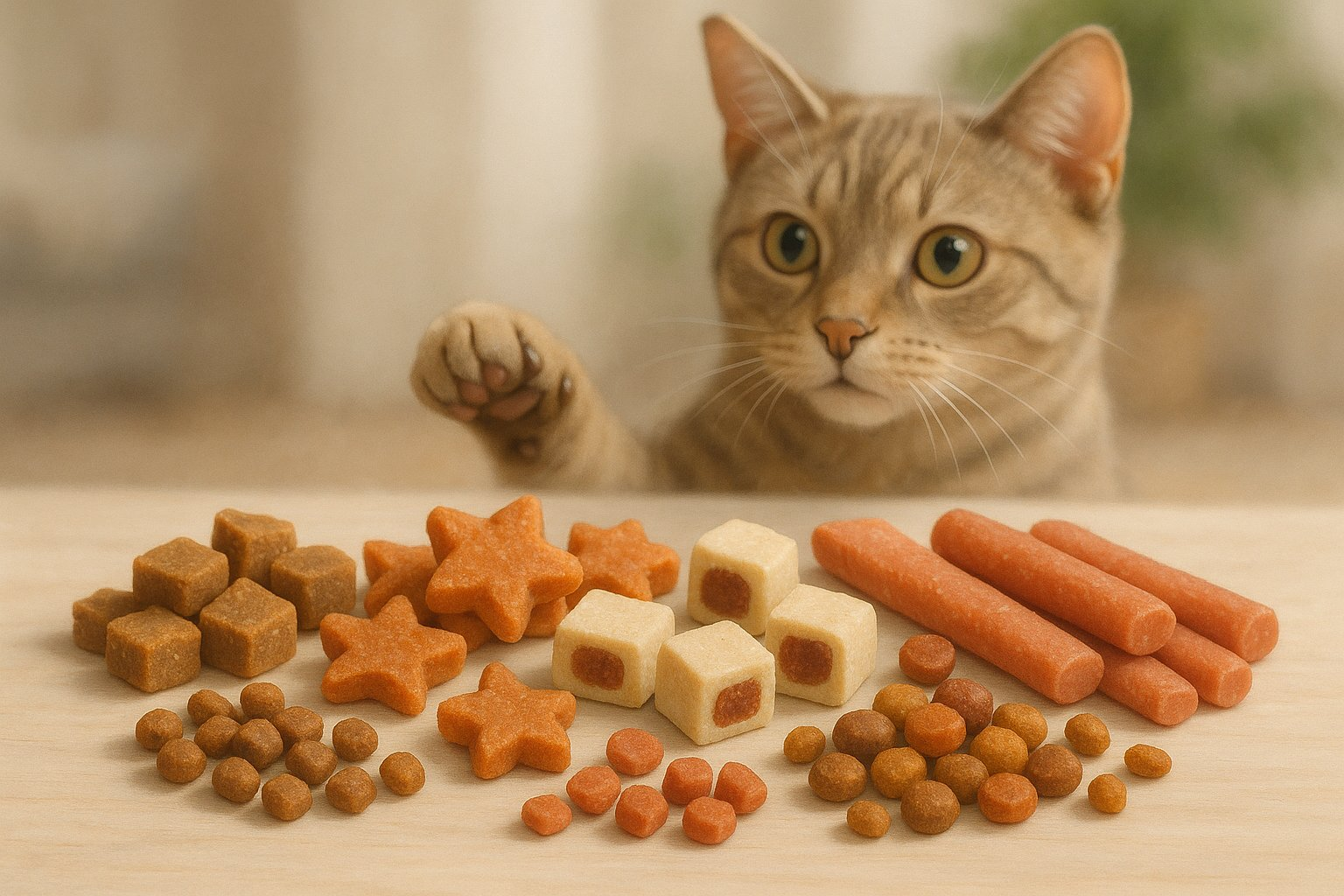

Making homemade cat treat recipes has become my go-to solution for giving my feline friends healthy snacks without the mystery ingredients found in store-bought options.
You can create nutritious, delicious treats in your own kitchen using simple ingredients that cats love while controlling exactly what goes into their diet.
I’ve discovered that homemade treats not only save money but also let me cater to my cats’ specific tastes and dietary needs.

The best part about making your own cat treats is how simple it really is.
Most recipes require just a few basic ingredients like chicken, fish, or eggs that you probably already have in your kitchen.
I love watching my cats get excited when they smell their favorite homemade treats baking in the oven.
What makes homemade treats even better is that cats fed a homemade formula should receive proper nutrition when you use the right combination of ingredients.
I’ll share my favorite easy recipes that have never failed to make my cats purr with satisfaction, plus tips for customizing treats based on your cat’s special needs.
Key Takeaways
- Homemade cat treats let you control ingredients and avoid harmful additives found in commercial options
- Most recipes use simple kitchen staples like chicken, fish, and eggs that cats naturally crave
- You can easily customize homemade treats for cats with allergies or special dietary requirements
Why Make Homemade Cat Treats?

When I first started making homemade cat treats, I had no idea how much control I’d gain over my cat’s health and happiness.
Making your own treats gives you complete ingredient control, saves money, and creates special bonding moments with your feline friend.
Health Benefits and Ingredient Control
Let’s be real — have you ever tried reading the ingredient list on commercial cat treats?
Half the time, I can’t even pronounce what’s in there.
When I make homemade cat treats, I know exactly what my cat is eating.
No mysterious preservatives, artificial colors, or fillers that might upset her stomach.
Here’s what I can control:
- Protein quality: I choose fresh chicken, fish, or liver instead of “meat by-products”
- No harmful additives: Zero artificial flavors, colors, or preservatives
- Allergen management: Perfect for cats with food sensitivities
- Freshness factor: My treats are made fresh, not sitting on shelves for months
Commercial treats often contain corn, wheat, and other fillers that cats don’t actually need.
When you’re building meals using high-quality ingredients that are fresh, you’re giving your cat what they actually crave.
I can tailor recipes to my cat’s specific needs.
Senior cats might need softer treats, while active cats benefit from protein-rich options.
Saving Money and Reducing Waste
Here’s the kicker — homemade cat treats cost a fraction of store-bought ones.
That fancy bag of freeze-dried treats at the pet store? It costs around $8 for maybe 30 treats.
I can make 60+ treats for about $3 using simple ingredients like chicken breast or canned tuna.
My cost breakdown:
- Store-bought premium treats: $0.25-$0.50 per treat
- Homemade treats: $0.05-$0.10 per treat
- Monthly savings: $15-25 (for treat-loving cats)
I also love reducing packaging waste.
No more plastic bags ending up in landfills every week. Just me, my kitchen, and some simple ingredients.
Plus, I can make small batches based on what my cat actually eats.
Ever bought treats your cat completely ignored? That’s money down the drain that doesn’t happen with homemade cat treat recipes.
When making homemade cat food becomes part of your routine, you’ll notice how much you save on vet bills too.
Better nutrition often means fewer health issues.
Bonding Moments: Treat Time as Quality Time
You know that look your cat gives you when they hear the treat bag crinkle?
Now imagine their excitement when they smell fresh treats baking.
Making homemade cat treats has become one of my favorite bonding activities.
My cat literally sits in the kitchen watching me work, purring the entire time.
Here’s what makes it special:
- Kitchen supervision: Cats love being involved in “hunting” preparation
- Taste testing: I can adjust recipes based on their reactions
- Training opportunities: Fresh treats work better for clicker training
- Gift giving: Nothing beats the satisfaction of treating your cat to something you made
The whole process slows me down in the best way.
Instead of rushing through treat time, I’m present and connected with my cat.
Some of my best memories involve my cat “helping” me make tuna treats or salmon bites.
She’d bat at flour on the counter and try to steal ingredients — pure entertainment.
When you put love into homemade cat food recipes, your cat can sense it.
They know these treats are made specifically for them, with their preferences in mind.
Essential Ingredients and Safety Tips

Making homemade cat treats requires knowing which ingredients keep your feline friend healthy and which ones could be dangerous.
I’ll guide you through the safest ingredients to use and the crucial storage practices that prevent spoilage.
Top Cat-Safe Ingredients
Protein should be your foundation when creating homemade cat treat recipes.
Cooked chicken, turkey, and salmon provide the amino acids cats need to thrive.
I always use boneless, skinless chicken breast as my go-to protein.
It’s easy to cook and most cats love the taste.
Here are my favorite cat-safe ingredients:
| Proteins | Vegetables | Herbs & Extras |
|---|---|---|
| Cooked chicken | Pumpkin puree | Fresh catnip |
| Cooked turkey | Sweet potato | Parsley |
| Cooked salmon | Carrots (cooked) | Coconut oil |
| Tuna (in water) | Green beans | Bone broth |
Catnip deserves special mention since it’s both safe and exciting for most cats.
I add dried catnip to treats about once a week to keep things interesting.
Pumpkin puree works wonders for digestive health.
I use plain canned pumpkin (not pie filling) in small amounts to add fiber and moisture to treats.
Ingredients to Avoid Completely
Never use these dangerous ingredients in your homemade cat treats.
They can cause serious illness or death in cats.
Absolutely toxic ingredients:
- Onions and garlic (all forms)
- Chocolate (any type)
- Grapes and raisins
- Xylitol (artificial sweetener)
- Raw dough with yeast
Other harmful ingredients I avoid:
- Dairy products (most cats are lactose intolerant)
- Raw eggs (salmonella risk)
- Raw fish (thiamine deficiency)
- Salt and sugar
- Nuts (especially macadamia)
I’ve seen too many emergency vet visits from cats who ate “just a tiny bit” of garlic powder.
Even small amounts can damage their red blood cells.
Raw ingredients need extra caution.
While some people feed raw diets, I stick to cooked proteins for treats to eliminate bacteria risks.
Cooking and Storage Basics
Cook all proteins thoroughly before using them in your homemade cat food treats.
I use a meat thermometer to ensure chicken reaches 165°F internally.
My simple cooking method:
- Cut proteins into small, uniform pieces
- Cook in plain water or low-sodium broth
- Let cool completely before mixing with other ingredients
- Remove any bones, skin, or fat
Storage is critical for food safety.
Fresh treats last 3-5 days in the refrigerator in airtight containers.
I always label containers with the date I made the treats.
If they smell off or develop mold, I throw them away immediately.
For longer storage:
- Freeze treats for up to 3 months
- Use freezer-safe containers or bags
- Thaw only what you need for 2-3 days
Dehydrated treats last longer but require proper preparation.
I slice ingredients thin and use a food dehydrator at 160°F until completely dry.
Always wash your hands and sanitize surfaces when preparing treats.
Cats have sensitive stomachs, and contaminated food can cause serious digestive issues.
Easy and Healthy Homemade Cat Treat Recipes
Making your own cat treats puts you in charge of every single ingredient. You can whip up flavors your feline will actually get excited about.
Most of these recipes use basic, cat-safe ingredients you probably already have in your kitchen. No mysterious fillers or unpronounceable stuff here.
Tuna Temptations and Salmon Bites
Let’s be honest—what cat doesn’t go wild for fish? In my kitchen, tuna and salmon treats disappear faster than I can bake them.
For simple tuna bites, I mix one can of tuna in water (drained), one egg, and a tablespoon of oat flour. The mix should stick together when you press it.
Simple Tuna Recipe:
- 1 can tuna in water, drained
- 1 egg
- 1 tablespoon oat flour
- Pinch of catnip (optional)
I roll the mix into tiny balls and bake at 350°F for about 10-12 minutes. They should come out firm, but not rock hard.
For salmon treats, I use cooked salmon (never raw) and mash it up with a fork. The natural oils make these especially tempting for cats.
Pro tip: These fishy homemade cat treat recipes keep well in the fridge for up to five days.
Chicken and Pumpkin Power Bites
Chicken brings the protein. Pumpkin adds fiber that helps with digestion.
I start with cooked chicken breast—totally plain, no seasonings. Shred it up, then mix with pure pumpkin puree (not pie filling, please).
Chicken-Pumpkin Recipe:
- 1/2 cup cooked, shredded chicken
- 2 tablespoons pure pumpkin puree
- 1 egg yolk
- 2 tablespoons coconut flour
Coconut flour helps everything stick together. I shape small patties and bake at 325°F for 15 minutes.
Pumpkin is gentle on sensitive stomachs, while chicken satisfies those carnivore instincts.
When I bake these, my cat gives me that wide-eyed, hopeful stare. You know the one.
Catnip Crunchies and Fun Flavors
Catnip turns ordinary treats into something cats just can’t ignore. I add about half a teaspoon per batch—trust me, that’s enough.
My go-to crunchy recipe uses oat flour, dried catnip, and a splash of chicken broth to bring it all together.
Catnip Crunchies:
- 1/2 cup oat flour
- 1/2 teaspoon dried catnip
- 1 egg white
- 2 tablespoons low-sodium chicken broth
I roll the dough thin and cut out small shapes. Baking at 300°F for 20 minutes gives them just the right crunch.
Sometimes I swap catnip for parsley or a pinch of dried mint. Not every cat is obsessed with catnip, and that’s totally normal.
Experiment a little. Your cat might surprise you with their favorites.
No-Bake and Freezer Cat Treats
When summer hits, I lean on no-bake cat treats to keep the kitchen cool. These are my go-tos when I can’t stand the oven.
Frozen treats couldn’t be easier. I blend plain yogurt with a splash of tuna juice, then freeze the mix in ice cube trays. Cats love licking these on hot days.
Easy No-Bake Options:
- Mashed banana mixed with oat flour (roll into balls)
- Pureed chicken with coconut oil (freeze in molds)
- Plain yogurt with salmon flakes (frozen treats)
I also love mixing cream cheese, shredded chicken, and a little catnip. Roll into tiny balls and chill until firm.
These nutritionally balanced recipes need vitamin supplements if you want to use them as meals, but for treats, they’re just right.
Store freezer treats in airtight containers. They’ll last up to three months, though my cat finishes them long before that.
Customizing Cat Treats for Special Needs

If your cat has health issues or food sensitivities, I feel your pain. Making homemade cat treat recipes for their unique needs means you know exactly what’s in every bite—and you can still give them something special.
Sensitive Stomachs or Allergies
Watching your cat struggle with allergies or tummy issues is rough. I’ve learned that gentle homemade cat treats start with figuring out which ingredients set them off.
Common allergens to avoid:
- Chicken (yep, even chicken!)
- Beef
- Dairy
- Fish
- Wheat and corn
For sensitive cats, I stick to single proteins like turkey or duck. Fewer ingredients usually means fewer issues.
My gentle recipe:
- 1 cup cooked sweet potato (mashed)
- 1/4 cup turkey baby food (no onion/garlic)
- 1 egg yolk
- 2 tablespoons rice flour
Mix, roll into balls, and bake at 350°F for 12 minutes. They’re bland but still appealing to most cats.
Introduce new treats slowly—one at a time. If your cat reacts badly, stop and check with your vet.
Kitten and Senior-Friendly Treats
Kittens need soft, calorie-rich treats, while seniors often need easy-to-chew options. I adjust homemade cat treat recipes for every age group.
For kittens (under 12 months):
Keep treats super soft and tiny. I puree everything and bake for just a few minutes.
Here’s one my kittens loved:
- 1/2 cup plain Greek yogurt
- 2 tablespoons tuna juice
- 1 mashed banana
Freeze in ice cube trays for two hours. They’re creamy and easy to eat.
For senior cats (7+ years):
Focus on soft textures and joint-friendly ingredients. I toss in a pinch of turmeric for its anti-inflammatory benefits.
Senior treat base:
- Cooked salmon (flaked)
- Mashed pumpkin
- Bone broth (no sodium)
I steam instead of bake to keep things moist and gentle for older teeth.
Low-Calorie and Functional Recipes
If your cat’s on a diet or has health goals, you can absolutely make treats that fit.
Weight management treats:
- Green beans (steamed and chopped)
- Carrot puree
- Plain chicken breast (minced)
These are low-calorie and high in fiber, so your cat feels full without extra calories.
Functional ingredients I add:
| Health Goal | Ingredient | Benefit |
|---|---|---|
| Urinary health | Cranberries | Natural antioxidants |
| Coat shine | Salmon oil | Omega-3 fatty acids |
| Digestion | Pumpkin | Fiber and probiotics |
For diabetic cats, I skip sugars and carbs. Freeze-dried chicken or liver works best.
My favorite low-cal recipe:
Blend 1 cup steamed broccoli with 1/4 cup cooked chicken. Shape into tiny bites and dehydrate for four hours. Each treat is under 2 calories!
Even healthy homemade cat treats shouldn’t be more than 10% of your cat’s calories. Unsure about special diets? Ask your vet first.
Frequently Asked Questions

Homemade cat treat recipes can feel intimidating at first. Most pet parents worry about protein choices, no-bake options, and whether the treats will actually work.
If you’ve ever pondered what’s the safest protein for whipping up cat snacks at home, what would you rank as top pick?
Cooked chicken breast is my number one for homemade cat treat recipes. It’s lean, easy to digest, and most cats absolutely love it.
I always remove the skin and cook it thoroughly, no seasonings. Raw chicken isn’t worth the salmonella risk.
Fish is a close second, especially salmon or tuna, but don’t overdo it. Too much fish can lead to thiamine deficiency in cats.
Turkey and lean beef are solid choices too. Skip processed meats and anything with garlic, onions, or too much salt.
Ever wondered how to craft no-bake kitty delights that even the vet would nod at?
Frozen tuna ice cubes are my favorite no-bake treat. Just mix water-packed tuna with a bit of the juice and freeze in ice cube trays.
You can also mash cooked chicken with a splash of low-sodium chicken broth. Roll into little balls and chill for an hour.
Dehydrated treats are great too. Slice cooked chicken or fish into thin strips and air-dry for a day or two.
Stick to simple, cat-safe ingredients. When you make small batches, you don’t need preservatives at all.
You know that look your cat gives you when it smells chicken? Curious about how to turn that into a homemade treat?
That laser-focused stare means instant chicken jerky is calling your name.
Slice cooked chicken breast into thin strips and bake at 200°F for 2-3 hours.
I like to cut the strips about pencil-thick. Any thicker and they just don’t dry right.
Chicken and oat cookies hit differently too.
Mix shredded cooked chicken with oat flour and just enough water to make a dough.
Roll it flat, cut into tiny squares, and bake at 350°F for 10-12 minutes.
Your cat will probably follow you around the kitchen. Mine always does.
Let’s be real, we all want simplicity. Got any quick and easy recipes for feline treats up your sleeve?
The 3-ingredient wonder: Canned pumpkin, cooked chicken, and oat flour.
Mix, roll, bake for 15 minutes at 350°F. Takes maybe five minutes to prep, tops.
Perfect for those “oh no, I’m out of treats” moments. Who hasn’t been there?
Freeze-dried liver treats are even easier.
Just buy freeze-dried liver from the pet store and break it into tiny pieces.
Tuna flakes take zero effort too.
Drain water-packed tuna, spread on parchment, and bake at 250°F until crispy. Done.
Tuna treats for your furball: ever aimed to make ’em from scratch without a hitch?
Tuna patties are foolproof if you follow my ratio.
One can of water-packed tuna, one egg, and 1/4 cup oat flour. Mix, form small patties, and bake at 350°F for 12-15 minutes.
They should hold together but not turn into little hockey pucks.
Skip the oil-packed tuna completely. Too much fat just messes with sensitive stomachs.
I always save a few patties for testing first. Some cats go for the softer ones, others want crunch.
What flours can you trust when you’re baking those kitty treats at home, keeping it all feline-friendly?
Oat flour wins every time for homemade cat treat recipes. It’s gentle on sensitive stomachs and naturally gluten-free.
You can make your own by grinding plain oats in a blender. Honestly, it’s way cheaper than buying it pre-made.
Rice flour works well too, especially for cats with food sensitivities.
It binds nicely without making treats too heavy.
Avoid wheat flour entirely if your cat’s had any digestive issues.
Coconut flour just soaks up too much moisture and leaves treats crumbly. Not ideal, unless you like a big mess.