

When I first started caring for pets, I quickly learned that having the right tools makes all the difference between a stressful grooming session and a bonding experience. Pet care tools and accessories aren’t just conveniences — they’re essential investments that keep your furry friends healthy, comfortable, and happy while making your life as a pet owner significantly easier. From nail clippers that actually work to smart feeding systems that regulate portions, the right gear transforms daily pet care from a chore into something you’ll both enjoy.
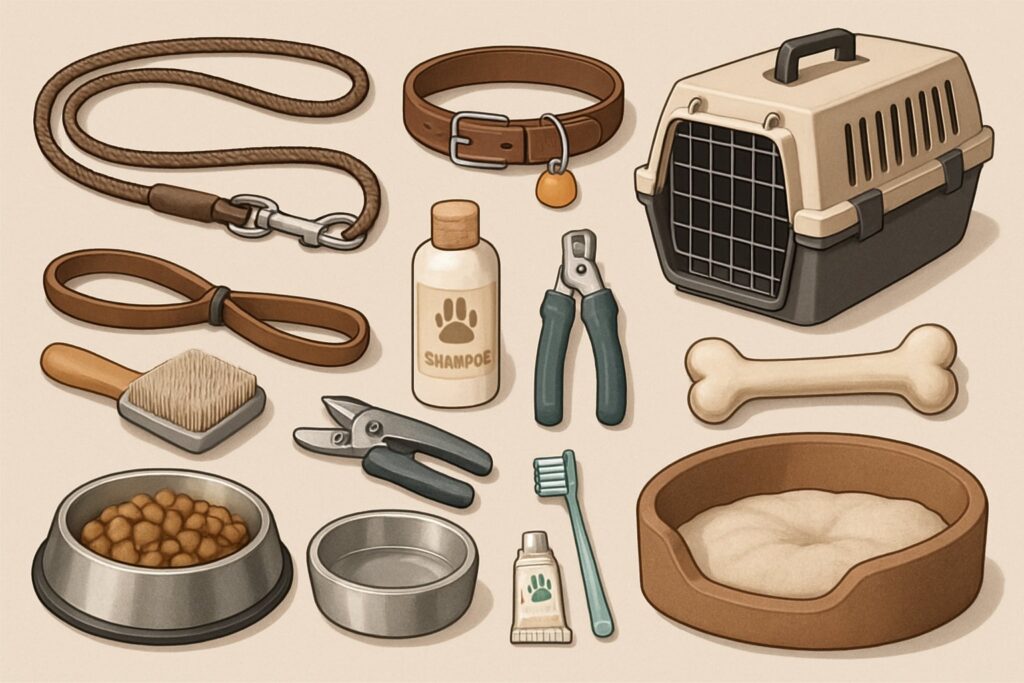
I’ve discovered that most pet owners either buy too many unnecessary gadgets or skip essential tools entirely. The technological advancements in pet care have revolutionized how we approach everything from grooming to training, but knowing which tools truly deliver value versus which ones gather dust takes experience.
You’re about to learn which pet care essentials every owner needs, how to choose quality tools that last, and the smart accessories that make pet parenting feel effortless. I’ll break down the must-haves from the nice-to-haves, plus share my tried-and-tested tips for getting the most bang for your buck — because your pet deserves the best, and you deserve tools that actually work.
Key Takeaways
- Investing in quality pet care tools saves money long-term and reduces stress for both you and your pet
- Essential grooming gear and nail care tools are non-negotiable for maintaining your pet’s health and comfort
- Smart accessories and proper maintenance maximize the value and lifespan of your pet care investments
Choosing the Right Pet Care Tools
Finding the perfect tools for your furry friend can feel overwhelming with thousands of products flooding the market. The key is matching tools to your pet’s specific needs, understanding what makes materials safe, and knowing where to find quality without breaking the bank.
Matching Tools to Your Pet’s Needs
Let’s be real — a Great Dane and a Chihuahua need completely different grooming brushes. I’ve seen too many pet owners grab the first shiny tool they see, only to watch their cat run away from an oversized nail clipper.
Size matters more than you think. A slicker brush that works wonders on my Golden Retriever’s coat will overwhelm a small terrier. Here’s what I look for:
• Small pets (under 25 lbs): Mini grooming tools, narrow nail clippers, gentle brushes
• Medium pets (25-60 lbs): Standard-sized tools with moderate grip strength
• Large pets (over 60 lbs): Heavy-duty clippers, wide brushes, ergonomic handles
Your pet’s coat type changes everything. Short-haired breeds need rubber curry combs or bristle brushes. Long-haired pets require pin brushes and dematting tools.
Consider your pet’s temperament too. Anxious pets need quieter clippers and softer brushes. Advancements in pet care technology show that choosing the right device significantly impacts your pet’s comfort level.
Age plays a huge role. Senior pets need gentler tools with softer bristles. Puppies and kittens require smaller, lightweight options that won’t scare them.
Understanding Material Quality and Safety
I learned this lesson the hard way when a cheap brush broke and scratched my dog’s skin. Quality materials protect your pet and save money long-term.
Stainless steel is your best friend for clippers and scissors. It stays sharp longer and resists rust. Avoid cheap chrome-plated tools that chip easily.
For brushes, look for these safe materials:
• Natural boar bristles for sensitive skin
• Stainless steel pins with rounded tips
• Antimicrobial plastic handles that resist bacteria
Red flags to avoid:
- Sharp, unfinished edges on any tool
- Toxic materials like lead-based paints
- Flimsy plastic that breaks easily
Research on quality aspects shows that products emphasizing design and quality significantly outperform basic alternatives.
Read ingredient lists on shampoos and treatments. Skip anything with sulfates, parabens, or artificial dyes if your pet has sensitive skin.
Ergonomic handles matter for you too. Tools that hurt your hands won’t get used regularly.
Comparing Popular Brands and Prices
Here’s where smart shopping pays off. Premium doesn’t always mean better, but neither does bargain-basement pricing.
I’ve tested tools across different price ranges. Here’s what I’ve found:
| Price Range | Quality Level | Best For |
|---|---|---|
| $5-15 | Basic/Entry | Occasional use, trying new tools |
| $15-40 | Mid-range | Regular grooming, most pet owners |
| $40+ | Professional | Daily use, multiple pets, groomers |
Top-performing brands in my experience:
- FURminator: Pricey but worth it for heavy shedders
- Hertzko: Great mid-range brushes with solid reviews
- Safari: Affordable nail clippers that last years
Market research shows that distributors often get better product selections through wholesale, which affects retail prices.
Money-saving tips that actually work:
• Buy multi-packs of basic items like nail clippers
• Read reviews from actual pet owners, not just ratings
• Check return policies before purchasing expensive tools
When to splurge: Tools you’ll use daily like brushes and nail clippers. When to save: Seasonal items like holiday accessories or occasional-use products.
Compare prices across multiple retailers. I’ve found the same brush for $15 on one site and $35 on another. Studies on pet product markets confirm that selection and prices vary significantly between retailers.
Essential Grooming Gear
I’ve learned the hard way that having the right grooming tools makes all the difference between a calm pet and a stressed-out furry friend hiding under the bed. The key is matching your brush to your pet’s coat type, choosing combs that actually detangle without pulling, and using clippers that won’t terrify your pet.
Brushes for Every Coat Type
Let’s be real — I used to think any brush would work on my Golden Retriever until I saw the mountain of fur I was missing. Different coat types need specific brushes, and using the wrong one is like trying to eat soup with a fork.
For short-haired pets, I swear by rubber curry brushes or bristle brushes. They grab loose hair without irritating sensitive skin.
Double-coated breeds (think Huskies or German Shepherds) need undercoat rakes and slicker brushes. Trust me on this — regular brushes barely scratch the surface of that thick undercoat.
Long-haired pets require pin brushes with rounded tips. I learned this after accidentally scratching my Persian cat’s skin with cheap bristles.
Here’s what works for each coat type:
| Coat Type | Best Brush | Why It Works |
|---|---|---|
| Short Hair | Rubber curry brush | Massages skin, removes loose hair |
| Double Coat | Undercoat rake | Reaches through top coat to undercoat |
| Long Hair | Pin brush | Gentle on skin, prevents matting |
| Curly/Poodle | Slicker brush | Prevents mats without breaking curls |
Combs That Actually Work
You know that feeling when your comb gets stuck in a mat and your pet gives you that betrayed look? I’ve been there, and it’s heartbreaking.
Metal combs with rotating teeth are game-changers. The teeth actually turn as you comb, which means less pulling and tugging. I wish I’d discovered these years ago.
For fine hair, use combs with closely spaced teeth. Thick or coarse hair needs wider spacing between teeth.
Flea combs have super-fine teeth that catch more than just fleas — they’re perfect for removing debris around the eyes and face.
The secret is starting with wide-tooth combs and gradually moving to finer teeth. Never force a comb through a mat — you’ll just make it worse and hurt your pet.
Clippers and Shears for Stress-Free Trims
I used to dread trimming my dog’s nails until I realized my ancient clippers were making it ten times harder than necessary. Proper grooming tools make the difference between a wrestling match and a calm grooming session.
Guillotine clippers work great for small to medium dogs with round nails. Scissor-type clippers handle large dogs and oddly-shaped nails better.
For hair trimming, I recommend cordless clippers with multiple guard lengths. They’re quieter than corded versions, which means less anxiety for noise-sensitive pets.
Thinning shears are my secret weapon for blending cuts and removing bulk without creating harsh lines. Regular grooming scissors need to be sharp and comfortable in your hand.
Here’s my go-to clipper setup:
- Size 10 blade: For sanitary areas and paw pads
- Size 7 blade: All-over body clips
- Size 4 blade: Longer cuts in winter
The kicker? Always test clippers on your own skin first. If they feel hot or vibrate too much for you, imagine how your pet feels.
Nail Care Made Simple
Nail care doesn’t have to stress you out or your furry friend. The right clippers and a few smart techniques can turn this dreaded task into a quick, calm routine.
Choosing the Best Clippers
Let’s be real — not all nail clippers are created equal. I’ve seen too many pet parents struggle with dull, cheap tools that crush nails instead of cutting them cleanly.
Guillotine clippers work best for small to medium dogs with round nails. You slide the nail through a small hole and squeeze. Simple, but they can split thick nails.
Scissor-type clippers are my go-to for most pets. They cut like tiny scissors and give you better control. Perfect for cats and dogs of all sizes.
Grinder tools file nails down gradually. They’re quieter than you’d think and great for anxious pets. The downside? They take longer.
For cats, I always recommend small scissor clippers. Their nails are delicate and need precise cuts. Research shows that proper nail care is crucial for companion animal health and welfare.
Key features to look for:
- Sharp, stainless steel blades
- Comfortable grip handles
- Safety guards to prevent over-cutting
- Non-slip handles for better control
Tips for Safe and Easy Nail Trims
Ever watched your dog bolt at the sight of nail clippers? You’re not alone. Most pets hate nail trims because of bad experiences or sudden movements.
Start by getting your pet comfortable with paw handling. Touch their feet daily when they’re relaxed. Give treats. Make it positive.
The sweet spot is the pink part inside the nail. Cut only the white tip. Going too far hits the “quick” — that pink area with blood supply. It hurts and bleeds.
Cut at a 45-degree angle, about 2mm from the pink. For dark nails where you can’t see the quick, cut tiny bits at a time.
My step-by-step process:
- Hold paw firmly but gently
- Press pad to extend nail
- Position clippers at 45-degree angle
- Make one quick, confident cut
- Reward immediately with treats
Studies indicate that many pet owners lack confidence in nail trimming, but practice builds skill.
If you accidentally cut the quick, don’t panic. Apply styptic powder or cornstarch to stop bleeding. Your pet will forgive you.
Pro tip: Trim nails every 2-3 weeks. Regular trims keep nails short and make each session easier.
Smart Accessories for Pet Comfort
I’ve discovered that the right smart accessories can transform your pet’s daily comfort from good to amazing. Modern deshedding tools now use advanced technology to make grooming painless, while calming accessories help anxious pets feel secure during their most stressful moments.
Deshedding and Tangle-Busting Tools
Ever spent an hour brushing your long-haired cat only to find more tangles the next day? I get it – traditional brushes just don’t cut it anymore.
Smart deshedding tools use vibration technology to loosen fur before it becomes matted. These battery-powered brushes work 3x faster than regular ones. The gentle vibrations feel like a massage to your pet.
Here’s what makes them different:
- Self-cleaning buttons that eject collected fur with one click
- Adjustable vibration speeds for sensitive pets
- LED indicators showing when the brush needs cleaning
- Ergonomic handles that reduce hand fatigue during long sessions
I love the heated deshedding gloves that warm up slightly during use. The warmth relaxes your pet’s muscles and makes the hair follicles release easier. No more wrestling with your squirmy dog during grooming time.
Tangle-busting sprays with smart dispensers detect mat density and release the right amount of detangler. Some products even change color when they’ve soaked in enough to start brushing safely.
Soothing Accessories for Stressful Moments
Picture this: your dog trembling under the bed during a thunderstorm while you feel helpless. Smart calming accessories can actually help.
Smart anxiety wraps use gentle, consistent pressure that adjusts based on your pet’s breathing pattern. Built-in sensors detect when stress levels rise and increase compression automatically. It’s like a therapeutic hug that knows exactly when your pet needs it most.
I’m fascinated by pheromone diffusers with smartphone controls. You can activate calming scents remotely when you know fireworks are starting or storms are approaching. The IoT-powered smart pet systems can even detect environmental triggers and release pheromones before your pet gets anxious.
Heated comfort beds with timers warm up 15 minutes before typical stress events. Many pets associate warmth with security, so these beds become safe zones during scary moments.
The coolest products I’ve seen include sound-dampening pet caves with built-in white noise generators. They create a cocoon-like environment that blocks scary sounds while playing calming frequencies specifically designed for pet ears.
Maximizing Value: Buying, Maintaining, and Upgrading
Smart pet spending isn’t about buying the cheapest items or the most expensive ones. I’ve learned it’s about finding quality products at fair prices and making them last through proper care.
Getting the Best Deals on Pet Care Products
Let’s be real — pet supplies can drain your wallet fast. I’ve watched fellow pet owners spend hundreds on fancy gadgets that break within weeks.
Compare prices across multiple retailers. The same grooming brush might cost $25 at one store and $15 at another. I always check at least three places before buying.
Buy during seasonal sales. Winter coats go on clearance in spring. Summer cooling mats drop in price come fall. I stock up when prices hit rock bottom.
Consider generic or store brands for basic items. That $3 nail clipper often works just as well as the $12 name-brand version. Save your money for items where quality really matters.
Join loyalty programs at pet stores. These programs offer exclusive discounts and early sale access. I’ve saved hundreds through my local pet store’s rewards program.
Buy in bulk for non-perishable items. Waste bags, training pads, and toys cost less per unit when you buy larger quantities. Just make sure you have storage space.
Research shows that pet owners often struggle with expensive care decisions. Smart shopping helps stretch your budget for when you really need it.
Keeping Your Tools in Top Shape
I used to replace grooming tools every few months until I learned proper maintenance. Now my brushes and clippers last for years.
Clean tools after each use. Hair and debris build up quickly on brushes and combs. A quick rinse and dry prevents damage and keeps tools working smoothly.
Store tools in dry places. Moisture rusts metal components and warps plastic handles. I keep all my pet care tools in a dedicated drawer away from humidity.
Sharpen blades regularly. Dull nail clippers can split nails instead of cutting cleanly. Most pet stores offer sharpening services for a few dollars.
Oil moving parts monthly. Clippers and scissors need lubrication to function properly. A drop of mineral oil keeps them running like new.
Replace worn parts before they break. Many tools have replaceable components like clipper blades or brush bristles. Swapping out worn parts costs less than buying entirely new tools.
Professional grooming services maintain pets’ cleanliness, but proper tool maintenance helps you handle basic care at home effectively.
When to Replace or Upgrade Accessories
Knowing when to upgrade saves money and keeps your pet safe. I’ve learned the warning signs that mean it’s time for new gear.
Replace damaged safety items immediately. Cracked leashes, worn harnesses, or loose collar buckles put your pet at risk. These aren’t worth trying to repair.
Upgrade when your pet outgrows items. That puppy collar won’t fit your full-grown dog. Cramped carriers stress pets during travel.
Consider upgrades for chronic problems. If your pet constantly scratches despite regular grooming, a better brush might solve the issue. Sometimes spending more upfront saves vet bills later.
Watch for new technology that improves care. Modern nail grinders often work better than traditional clippers for anxious pets. LED nail lights help you see the quick more clearly.
Replace items that no longer clean properly. Food bowls that stay slimy despite washing harbor bacteria. Old toothbrushes lose their effectiveness over time.
The key is balancing cost with necessity. I replace safety items quickly but research carefully before upgrading comfort items.
Frequently Asked Questions
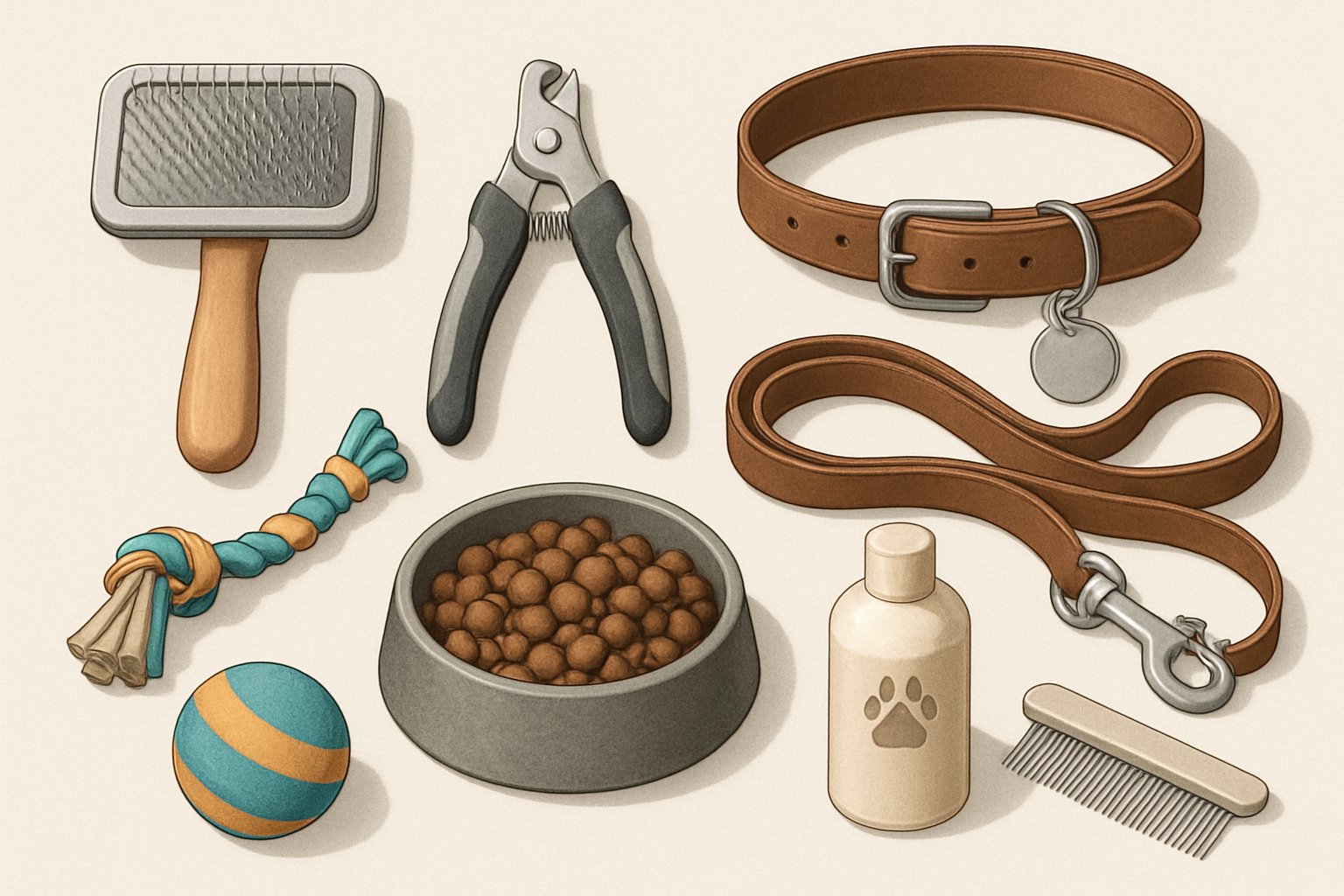
Pet owners face daily challenges with grooming, health care, and keeping their furry friends comfortable. These common questions address the most practical concerns about choosing the right tools for dental care, nail trimming, interactive play, grooming, ear cleaning, and safe travel.
Struggling to keep your furry pal’s teeth sparkling? What’s the lowdown on the best dental hygiene gadgets out there?
I get it — wrestling with my dog’s mouth while trying to brush their teeth feels like an impossible task. Dental finger brushes work amazingly well for beginners because they give you better control than traditional toothbrushes.
Enzymatic toothpaste breaks down plaque naturally without requiring perfect brushing technique. I never use human toothpaste since it’s toxic to pets.
Dental chews and toys do the heavy lifting between brushings. Look for products approved by the Veterinary Oral Health Council.
Water additives provide daily protection with zero effort. Just add them to your pet’s water bowl for continuous plaque prevention.
Ever tried to clip your cat’s claws and ended up in a scratch fest? What are the top nail trimmers that are hassle-free and feline-approved?
Scissor-type clippers give me the most control and work perfectly for cats and small dogs. The curved blade matches their nail shape naturally.
I swear by guillotine clippers for quick, clean cuts on medium-sized pets. They position the nail perfectly and reduce the chance of splitting.
Grinder tools work wonders for anxious pets who hate the snap sound of traditional clippers. The gradual filing feels less threatening.
Always trim just the white tip. I keep styptic powder handy in case I accidentally nick the pink quick area.
Towel wrapping transforms aggressive cats into manageable patients. Wrap them snugly with just one paw exposed at a time.
Sure, your pup loves their playtime – but ever wondered which interactive toys actually withstand those sharp canines?
Kong Classic toys stuffed with treats keep my power chewer busy for hours. The rubber formula bounces unpredictably and survives serious abuse.
Puzzle feeders challenge smart dogs mentally while slowing down fast eaters. I rotate different difficulty levels to prevent boredom.
Rope toys satisfy natural chewing instincts, but I replace them when they start fraying. Loose fibers can cause intestinal blockages.
Antlers and bully sticks provide long-lasting entertainment for aggressive chewers. Size them appropriately to prevent choking hazards.
Avoid toys that break into small pieces. I do the squeeze test — if I can compress it significantly, those teeth will destroy it quickly.
That fur everywhere situation — we’ve all been there, right? What’s the scoop on the brushes and combs that actually tame the mane without causing a pet fuss?
Slicker brushes with fine wire bristles remove loose undercoat without scratching skin. I use gentle, short strokes following hair growth direction.
Pin brushes work perfectly for long-haired breeds. The rounded tips massage skin while detangling surface mats.
Undercoat rakes are lifesavers during shedding season. They reach through the topcoat to grab loose fur underneath.
De-shedding tools like FURminators reduce shedding by up to 90% when used weekly. They’re worth every penny for heavy shedders.
I brush daily during shedding seasons and weekly otherwise. Start slowly with nervous pets, offering treats throughout the process.
Ever watched a pooch wrestle with an ear itch? What’s the skinny on ear care tools that nip those itchy woes in the bud, minus the drama?
Cotton balls soaked in veterinary ear cleaner work better than cotton swabs. I never push anything deep into the ear canal.
Ear cleaning solutions with gentle acids dissolve wax buildup naturally. I avoid alcohol-based products that sting sensitive skin.
Hemostats help me pluck excess hair from floppy ears safely. Too much hair traps moisture and creates infection-friendly environments.
I clean ears weekly for prone breeds like Cocker Spaniels and Basset Hounds. Healthy ears should be pink inside with minimal odor.
Red flags include dark discharge, strong smell, or excessive scratching. These symptoms need veterinary attention immediately.
Alright, let’s talk shop about pet carriers. What kind of ride really makes the journey comfy and safe for your four-legged sidekick?
Hard-sided carriers provide maximum protection during car crashes and rough handling. They’re airline-approved and virtually indestructible.
Soft carriers work perfectly for calm pets on short trips. The mesh windows provide better ventilation and visibility than plastic versions.
Size matters tremendously. My pet should stand, turn around, and lie down comfortably inside. Too big allows dangerous sliding during travel.
Seat belt attachments secure carriers safely in vehicles. I never put carriers in front seats with active airbags.
Familiar bedding and favorite toys reduce travel anxiety significantly. I introduce the carrier weeks before travel, making it a cozy retreat space.