

Lots of cat owners wonder if their feline friends need extra nutritional support beyond regular food.
Natural cat supplements can bridge nutritional gaps and support your cat’s overall health when chosen carefully. These products range from basic vitamins to specialized formulas for joint mobility, digestive health, or immune support.
Table of Contents
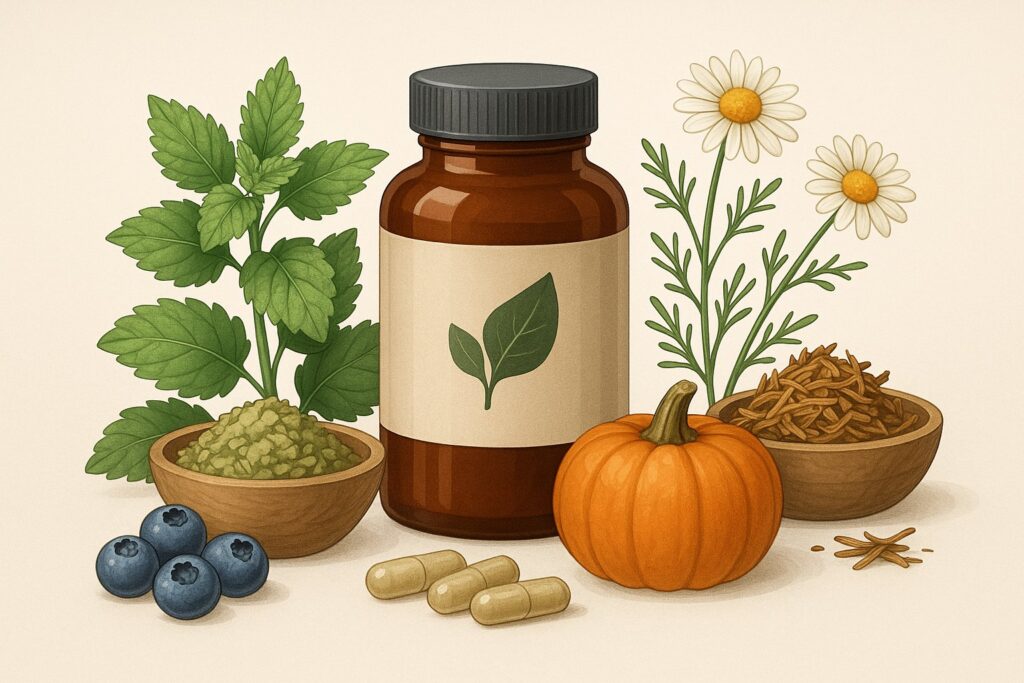
Natural cat supplements usually include ingredients like fish oil, probiotics, herbs, or plant-based nutrients.
Unlike synthetic alternatives, these use whole food sources or naturally derived compounds that cats process more easily. I’ve noticed a lot of pet parents lean toward natural options because they trust the ingredients and feel better about giving them to their cats.
The most important thing when picking natural cat supplements is to check for third-party testing and clear dosing instructions for felines.
Cats process nutrients differently than dogs or humans, so what’s safe for one animal might be dangerous for another. Look for products made just for cats with transparent ingredient lists, and skip anything with garlic, onions, or artificial preservatives that could be toxic.
I spent weeks digging through and comparing dozens of natural cat supplements to find the ones that actually help, while keeping your feline companion safe.
Best Natural Cat Supplements
After looking at a ton of natural cat supplements, I found the top products that genuinely work for our feline friends.
These natural options can support your cat’s health without harsh chemicals or artificial ingredients.
Pet Honesty Multivitamin Chews
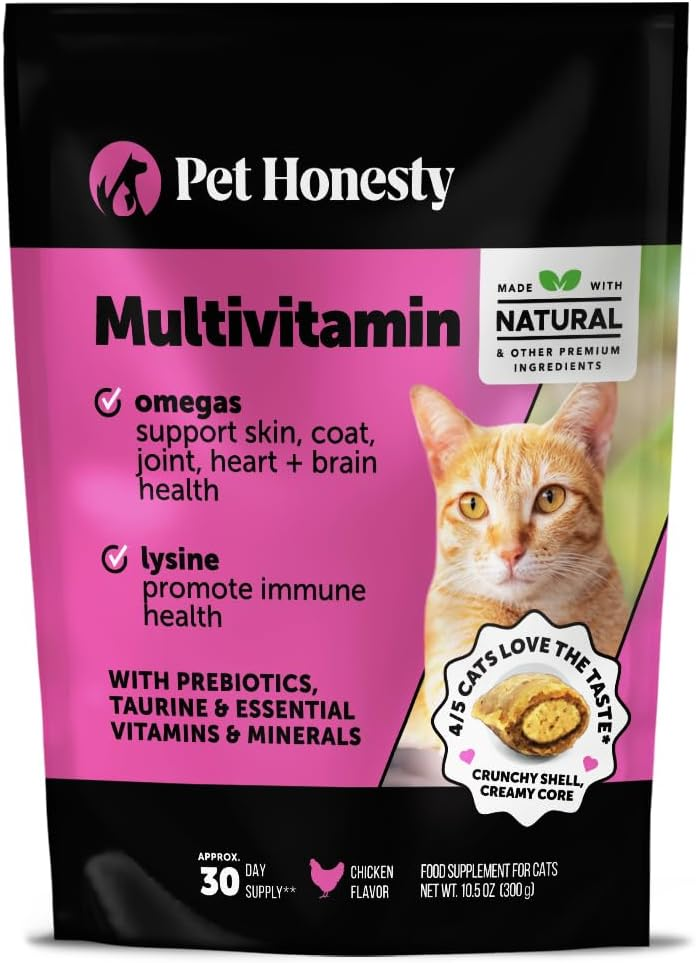
These chews work well for most cats who struggle with picky eating habits when it comes to supplements.
Pros
Cons
I was honestly surprised when my normally picky cat actually came running for these supplements. That unique texture really does make a difference—she treats them like treats, not medicine.
They tackle multiple health areas at once. My senior cat’s coat looked shinier after a few weeks, and her digestive issues calmed down. The lysine and beta-glucan combo really seems to work well together.
The dosage instructions can get tricky. My 12-pound cat technically needs 12 chews daily, which would burn through the bottle in just 2.5 days.
I started with half the recommended amount, like they suggest, and still saw good results without spending a fortune.
I appreciate that Pet Honesty keeps things simple with no artificial colors or corn fillers. The fact that they’re made in the US with good manufacturing standards gives me peace of mind when I give these to my cat every day.
Pet Honesty Cat Hip & Joint Health Chews
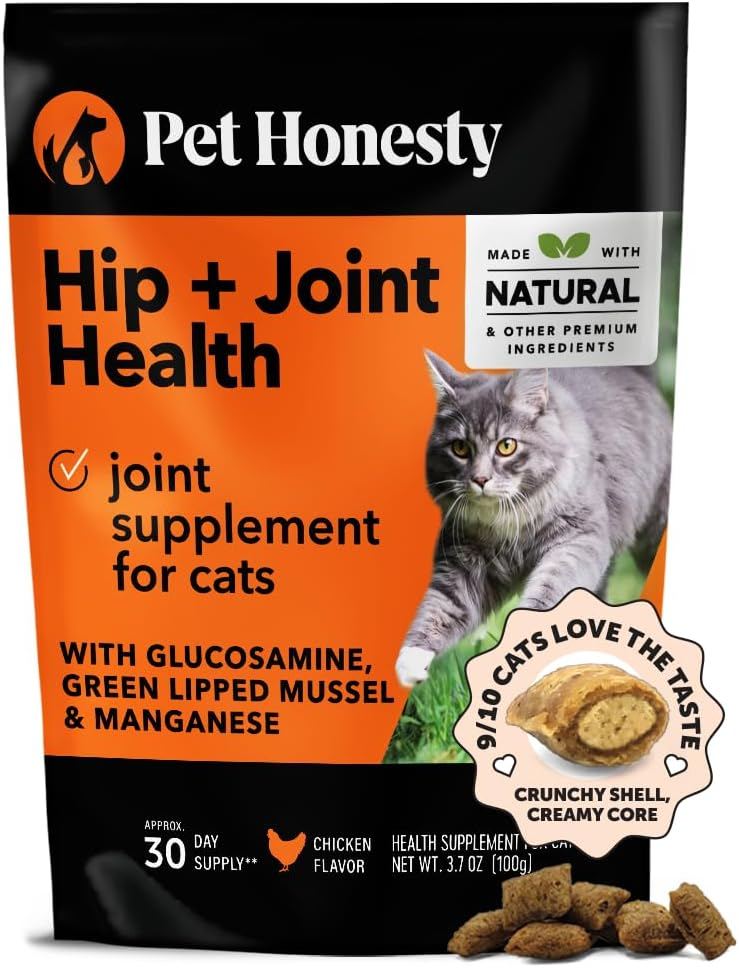
These crunchy-outside, creamy-inside joint chews work well for senior cats, though some kitties might get upset stomachs if given daily.
Pros
Cons
Let’s be real—getting cats to take supplements feels impossible most days.
I’ve tried everything from hiding pills in food to liquid drops that end up everywhere except my cat’s mouth. These chews changed that completely.
My 15-year-old tabby started struggling to jump onto my bed last winter. Within three weeks of giving her these chews, she was back to her old routine.
The difference actually shocked me. I expected gradual changes, not such an obvious improvement.
The texture really does work like magic. That crunchy shell gives way to creamy filling that cats seem to love.
Even my pickiest eater comes running when she hears the bag crinkle. It’s like giving treats instead of medicine.
Start slow, though. I gave my cat the full recommended dose right away, and she threw up twice that first week.
Once I cut back to every other day, the stomach issues stopped completely. Now I give half doses daily instead of full doses, and it works perfectly.
The glucosamine and green-lipped mussel ingredients actually do their job. I can see my senior cat moving more freely and playing with toys she’d ignored for months.
She even started climbing her cat tree again, which honestly made me tear up a little.
One warning for multi-cat homes—these chews create serious competition. My three cats practically tackle each other when they smell these coming.
I have to separate them now during supplement time, which adds extra steps to my routine.
Nordic Naturals Omega-3 Cat
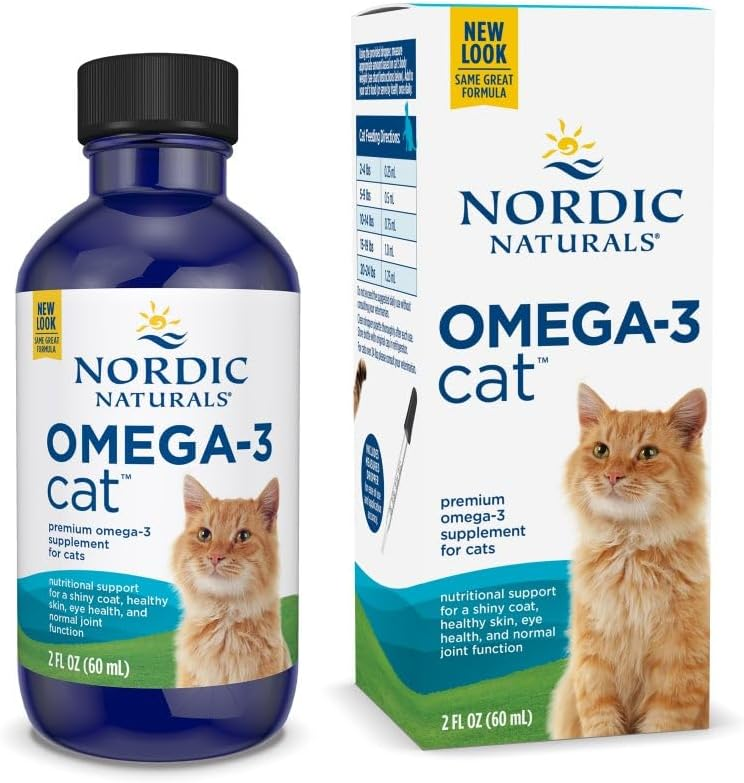
I recommend this fish oil supplement for cats with skin issues or dry coats, though you’ll need patience with picky eaters.
Pros
Cons
Let me tell you about my experience with this omega-3 supplement. My cat developed dry, flaky skin last winter, which made her scratch constantly.
Within two weeks of adding this oil to her food, I noticed her coat getting softer, and the flaking stopped.
The liquid form makes dosing simple. I just squeeze the dropper onto her wet food and mix it in.
The oil doesn’t have that overwhelming fishy smell that some supplements do, which helped with acceptance.
Storage requires some planning since you need fridge space. The bottle is small but lasts about two months for one cat.
I appreciate that Nordic Naturals uses the same quality standards for pet products as their human supplements.
My pickier cat took longer to accept it. She’d eat around the oil at first, so I had to mix it really well with her favorite wet food.
Once she got used to it, mealtime went back to normal.
The price point sits higher than drugstore options, but the results justified the cost for me. My vet mentioned she sees consistent improvements in cats using this brand compared to cheaper alternatives.
Rocco & Roxie Urinary Tract Chews
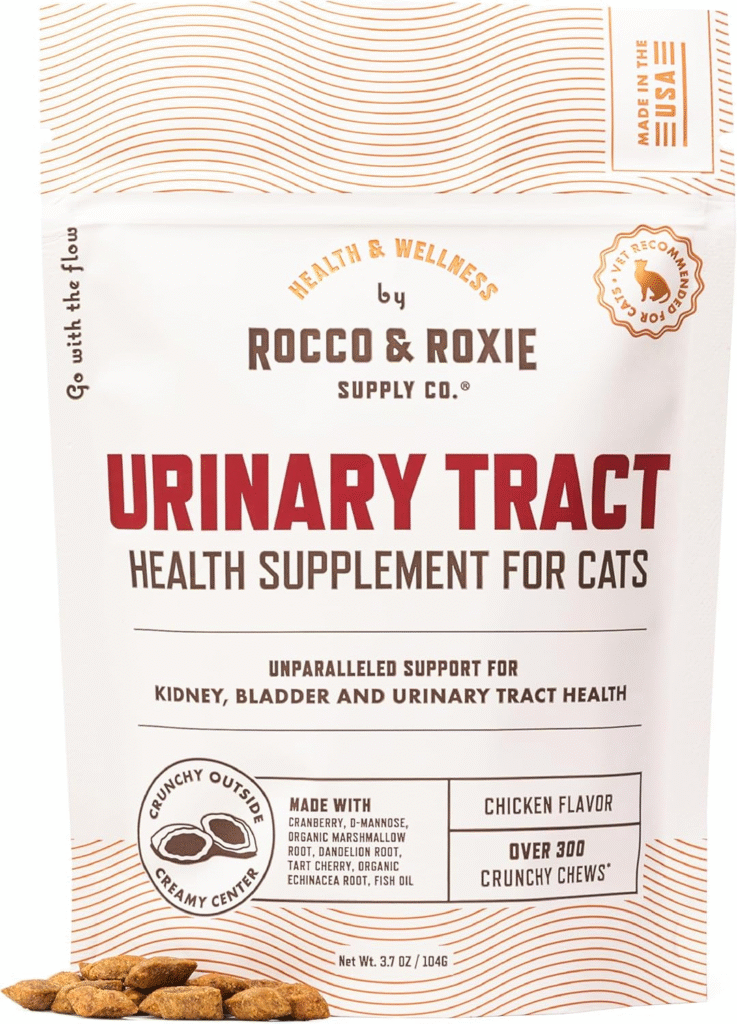
I’d recommend these crunchy chews for cats with recurring urinary issues since my experience showed real improvements in bladder health.
Pros
Cons
Getting cats to take supplements is a struggle. I’ve tried hiding pills in food and crushing tablets into wet food. My tabby would sniff once and walk away with that judgmental cat look.
These chews changed everything for my household. The chicken flavor actually works, and I watched my usually picky eater crunch through them happily.
The texture hits that sweet spot where cats think they’re getting spoiled with treats. What impressed me was watching my cat’s bathroom habits improve over time.
Less frequent urgent trips to the box and way fewer vocal complaints during urination. The cranberry and D-mannose combo seems to really support healthy urinary function.
The only downside I noticed was the waiting period. Nothing happened in the first week, which made me question if I’d wasted money.
But patience paid off because week two brought clear improvements that made the investment worth it.
SANTKOL L-Lysine Immune Support Drops
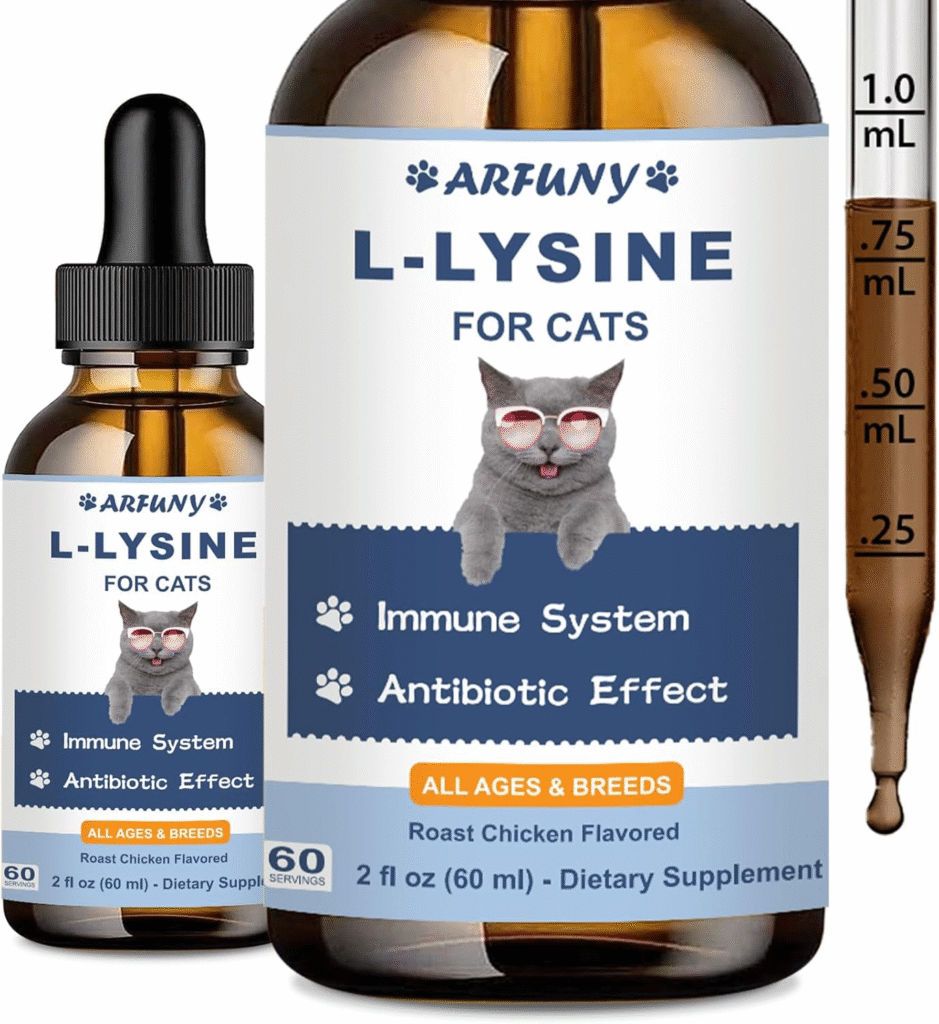
If your cat deals with respiratory issues or eye problems, I’d give these drops a try. The chicken flavor actually makes supplement time almost fun.
Pros
Cons
Let’s be honest—getting cats to take supplements usually feels like a battle. I was genuinely surprised when my rescue cat licked this stuff straight from the dropper. The chicken flavor isn’t just hype. It actually works.
After three days, my cat’s sneezing fits stopped. His gunky eyes cleared up, too.
The combo of L-lysine with herbs like astragalus and burdock seed seems to work better than plain lysine supplements I’ve tried.
I really like how flexible the liquid is. Sometimes I mix it in wet food. Other days, I just squirt it right in their mouths.
No more crushing pills or cleaning up powder everywhere.
The downside? This bottle doesn’t last long if you’re dosing multiple cats or using higher amounts. I go through one bottle every three weeks with two cats.
But honestly, seeing my rescue cat finally breathing clearly makes it worth it.
Buying Guide
Ever stared at shelves of natural cat supplements and just felt lost? Same here.
Picking the right one for your cat can feel overwhelming. But it’s not impossible.
What to Look for First
Start with the ingredient list. Look for whole foods and names you recognize.
Skip anything with chemical names you can’t pronounce. I always check for third-party testing. If someone else tested it, I feel a lot better about giving it to my cat.
Key Features That Matter
| Feature | Why It Matters |
|---|---|
| Organic certification | No pesticides or nasty chemicals |
| Clear dosage instructions | Easy to give the right amount |
| Expiration date | Fresh supplements work better |
| Made in USA | Better quality control |
Form matters too. Some cats like treats, others need powders mixed in food. Figure out what your cat will actually take before buying.
Red Flags to Avoid
Don’t trust supplements that make wild health claims. If it sounds way too good, it probably isn’t legit.
Watch out for products without clear ingredient lists. Transparency is everything for your cat’s health.
Getting the Best Value
Always compare price per serving, not just the bottle price. Sometimes a pricey bottle is cheaper per dose.
Read reviews from real cat owners. They’ll let you know what works and what’s a waste of money.
Start with a small size if you can. It’s less risky if your cat turns up their nose at it.
Frequently Asked Questions
Cat owners have a million questions about natural supplements. Whether you’ve got an indoor cat or you’re making homemade food, you probably wonder about joint support and herbal remedies too.
What are the top natural supplements you’d suggest for a kitty that’s never ventured outdoors?
Indoor cats miss out on sunlight and the variety of food they’d get outside. I’d start with vitamin D supplements since indoor cats can’t make it from the sun.
Omega-3 fish oil is great for indoor cats. It keeps their skin healthy and gives them that glossy coat you see on outdoor cats.
Probiotics help a lot too. Indoor cats get more digestive issues since they don’t have access to grass or natural digestive aids.
Ever wondered whether you can craft your own natural supplements at home for your feline friend?
You can make some natural cat supplements at home, but you’ve got to be careful. Bone broth is my go-to homemade supplement—safe and full of good stuff.
I simmer chicken bones for 12 to 24 hours. It gives cats natural collagen and minerals.
Pumpkin puree is a nice natural fiber boost. Just make sure it’s plain pumpkin, not pie filling.
Never try making vitamin supplements at home. The dosing is tricky and it’s easy to get it wrong.
Which natural supplements take the crown when it comes to our feline pals’ nutritional needs?
Fish oil is always my first pick. Cats need omega-3s but can’t make them on their own.
Probiotics come next. They really help with digestion and immune health.
Taurine is a must if you’re making homemade food. Cats can get heart problems without enough taurine.
B vitamins are important too. They help with energy and the nervous system.
You know that look your cat gives you when you’re mixing dinner? Are there supplements to perfect that homemade recipe?
That stare probably means your recipe is missing something. Taurine powder is non-negotiable for homemade cat food.
I add calcium carbonate to balance out the phosphorus in meat. Without it, your cat’s bones can suffer over time.
Vitamin E keeps the fats in homemade food from going rancid. It also gives the immune system a boost.
A good multivitamin made for homemade cat food helps fill in the gaps. It’s like backup for your recipe.
Is there a natural way to support our cats’ joints that they’ll actually love?
Glucosamine treats are great for picky cats. They taste good and help with cartilage.
Cats seem to love freeze-dried green-lipped mussel. It’s packed with natural joint-supporting nutrients.
Bone broth is another winner. Cats lap it up and get natural collagen for their joints.
Fish oil reduces joint inflammation. Most cats don’t mind it mixed into wet food.
Let’s be real, ever thought about herbal supplements for cats? What are some go-to options?
Milk thistle supports liver health in older cats. I reach for it when a cat’s liver needs a little extra help.
Slippery elm soothes upset stomachs. It’s gentle, even for sensitive cats.
Chamomile can calm anxious cats. Just stick to cat-specific formulas—human ones are way too strong.
Cranberry extract helps prevent urinary tract issues. It’s handy for cats who get UTIs a lot.
Honestly, always check with your vet before trying herbal supplements. Some things that help humans can actually harm cats.



Leave a Reply
You must be logged in to post a comment.