Does your dog seem tired after just a short walk, or have you noticed they’re carrying extra weight around their belly?
Weight loss for dogs comes down to two main factors: controlling their food intake (which accounts for 60-70% of weight loss) and increasing their exercise, but the right approach makes all the difference for your pup’s health and happiness.
I’ve seen too many dog parents struggle with this, not knowing where to start or worried about doing something wrong.
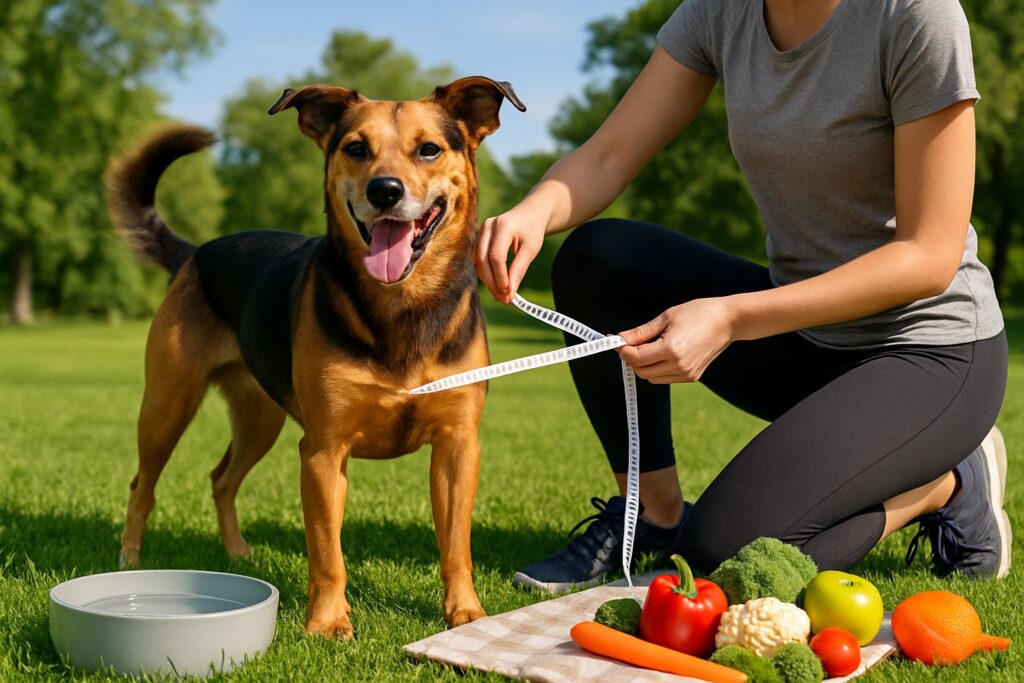
Table of Contents
The truth is, over half of dogs in the U.S. are overweight or obese. Those extra pounds can seriously impact your furry friend’s quality of life.
But here’s the good news—you’re in charge of your dog’s weight management, and with a solid plan, you can help them shed those pounds safely.
I’ll show you how to spot if your dog needs to lose weight, why it matters for their health, and how to build a plan that sticks.
We’ll get into smart feeding strategies, fun exercise ideas, and how to keep the weight off—because your dog deserves to feel their best, period.
Ways to Help Your Dog Lose Weight Key Takeaways
- You can tell if your dog is overweight by checking if they have a visible waist and if you can easily feel their ribs.
- Food portion control is more important than exercise for dog weight loss, making up 60-70% of successful weight management.
- A gradual approach with vet guidance helps dogs lose 1-2% of their body weight per week safely.
Spotting an Overweight or Obese Dog
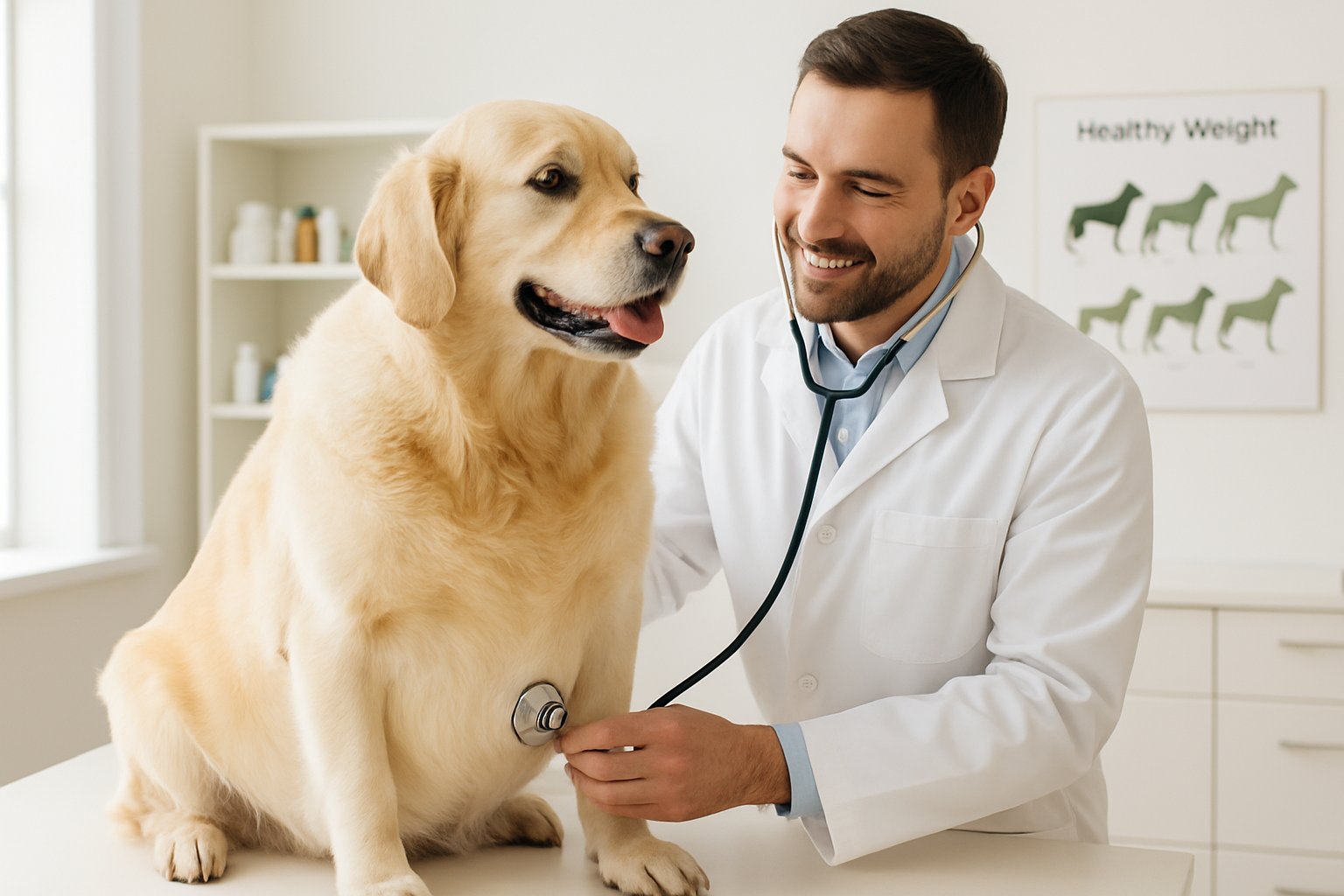
Let’s be real—most of us think our fluffy pups are just “big-boned,” but 56% of dogs in the U.S. are actually overweight or obese.
There are specific ways to check your dog’s body condition, warning signs that scream “time for a diet,” and serious health risks that make weight management crucial.
Body Condition Score Demystified
Ever heard of a body condition score? It’s basically a report card for your dog’s weight—and it’s a lot more accurate than just using a scale.
The scoring system goes from 1 to 9. A score of 4-5 means your dog’s at a healthy weight. Anything above 6? Time to help your pup slim down.
Here’s my quick at-home test:
• The rib check: Can you easily feel your dog’s ribs without pressing hard? If you’re digging around like you’re searching for buried treasure, that’s a red flag.
• The waist test: Stand behind your dog and look down. Do you see an hourglass shape? Your dog should have a visible waist.
• The side profile: From the side, your dog’s belly should tuck up toward their back legs, not hang down like a saggy couch.
If you answered “no” to these, there’s a good chance your dog needs to lose weight.
Common Signs Your Dog Needs to Lose Weight
I’ve noticed these signs in overweight dogs that go beyond just looking chunky.
Physical signs hit first. Your dog’s face might look rounder than usual. Their collar feels tighter. You can’t find their ribs anymore.
Behavioral changes are big red flags. Does your pup get winded walking to the mailbox? Do they avoid stairs or struggle to jump on the couch?
The breathing test never lies. Overweight dogs pant more, even when they’re not hot or excited.
Here’s what I watch for:
• Reluctance to exercise or play
• Excessive panting during light activity
• Difficulty getting up from lying down
• No visible waist when viewed from above
• Ribs that are hard to feel under a layer of fat
Energy levels drop fast in chunky dogs. If your once-playful pup now prefers napping over fetch, weight might be the culprit.
Risks Linked to Obesity in Dogs
The health risks of dog obesity hit harder than most people realize. I’m talking about serious, life-shortening conditions that no pet parent wants to face.
Joint problems top the list. Extra weight puts massive stress on your dog’s hips, knees, and spine. Imagine carrying a heavy backpack all day—your overweight dog feels like that constantly.
Heart disease becomes a real threat. The heart works overtime pumping blood through extra tissue. Excess weight is tied to an astonishing array of health problems in dogs.
Diabetes shows up more often in overweight dogs. Just like humans, dogs can develop insulin resistance when carrying extra pounds.
Breathing issues make simple activities exhausting. Obese dogs often develop respiratory problems that make even short walks feel like marathons.
Shorter lifespan is the harsh reality. Studies show overweight dogs live up to 2.5 years less than their healthy-weight counterparts.
Surgery risks skyrocket with obesity. If your dog ever needs an operation, extra weight makes anesthesia dangerous and recovery slower.
Why Healthy Weight Matters for Your Pup
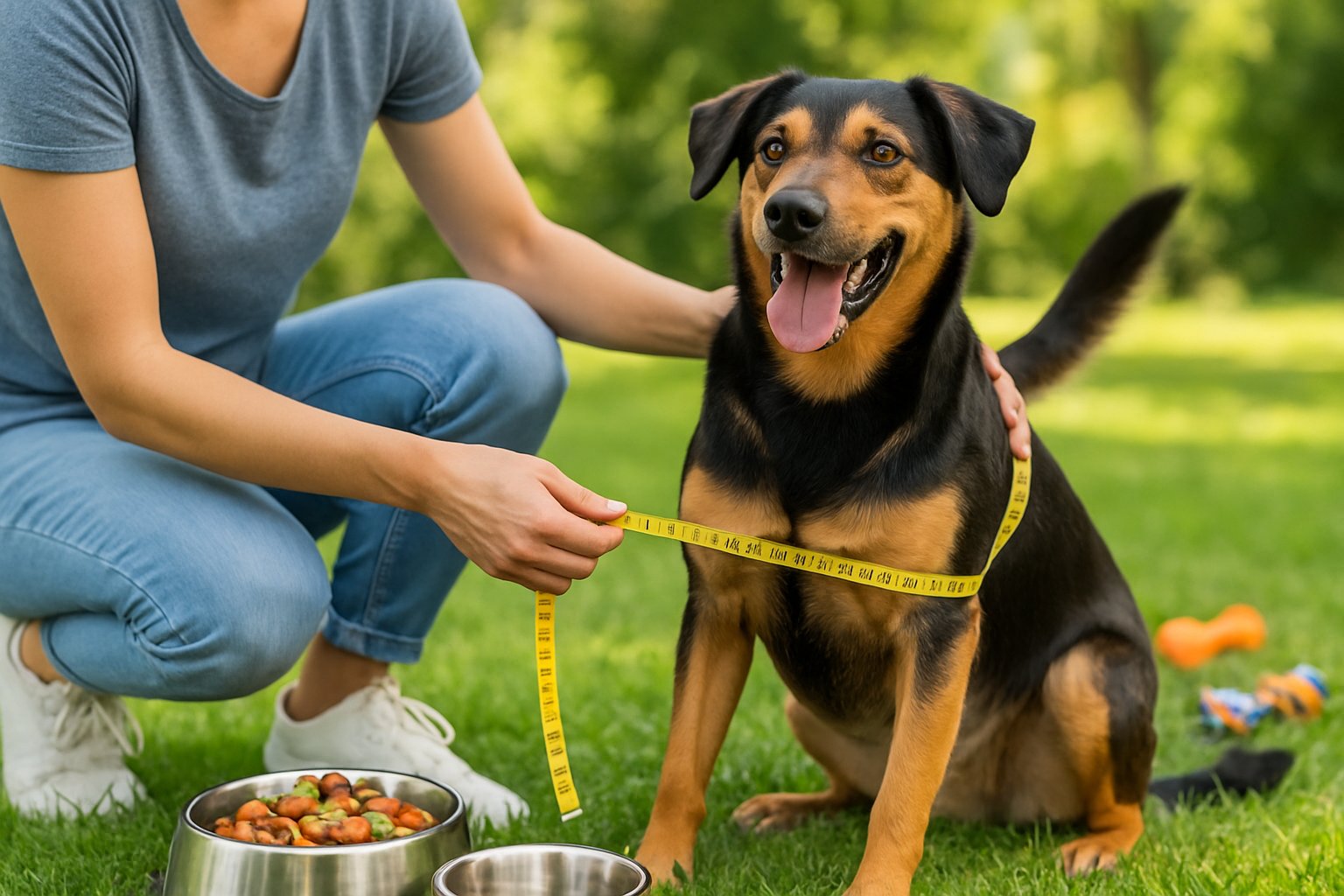
Carrying extra pounds doesn’t just make your dog look a bit rounder—it sets them up for serious health problems that can steal years from their life.
From joint pain that makes simple walks painful to hidden diseases that sneak up quietly, those extra treats really do add up to big consequences.
Short- and Long-Term Health Hazards
Let’s be honest—obesity in dogs isn’t just about looks. It’s a fast track to health problems that’ll break your heart and your wallet.
Extra weight puts massive stress on your dog’s joints. Imagine carrying a heavy backpack all day, every day. That’s what your overweight pup deals with constantly.
Immediate health risks include:
- Joint pain and arthritis
- Breathing problems during play
- Heat exhaustion on walks
- Higher blood pressure
The long-term picture gets scarier. Overweight dogs face higher risks of heart disease, diabetes, and shorter lifespans.
We’re talking about potentially losing 1-2 years with your best friend. Diabetes in dogs means daily insulin shots and constant monitoring. Heart disease leads to expensive medications and watching your once-energetic pup struggle to catch their breath.
How Extra Pounds Change Your Dog’s Daily Life
You know that excited bounce your dog used to have when you grabbed the leash? Extra weight steals that joy, one pound at a time.
Overweight dogs can’t play as long or as hard. They get tired faster during walks and might even start avoiding activities they once loved.
I’ve seen dogs who used to sprint across dog parks now preferring to sit in the shade.
Daily struggles include:
- Difficulty climbing stairs or jumping on furniture
- Less interest in playing fetch or tug-of-war
- Sleeping more and moving less
- Panting heavily after light activity
Their quality of life takes a real hit. Simple things like grooming become harder when they can’t reach certain spots.
Even bathroom breaks become uncomfortable when joints ache. The emotional impact hurts too. Dogs are social creatures who thrive on activity and interaction.
When movement becomes painful, they withdraw and become less engaged with family life.
Hidden Medical Causes (Like Cushing’s Disease)
Here’s what’s frustrating—sometimes you’re doing everything right with diet and exercise, but your dog still gains weight.
That’s when underlying medical conditions might be the real culprit.
Cushing’s disease (also called hyperadrenocorticism) is a sneaky condition that usually hits older dogs. It causes weight gain, excessive panting, and increased thirst and urination.
Your dog might develop a pot-bellied appearance even if they’re eating normally.
Hypothyroidism is another weight gain culprit. It slows down your dog’s metabolism, making them gain weight even on restricted calories.
Dogs with this condition often seem sluggish and might develop skin problems too.
Certain medications (like steroids) and hormonal changes from spaying or neutering can also play a role. These can reduce energy requirements by 20-30%.
Bottom line? Don’t assume it’s just too many treats if weight loss efforts aren’t working. Sometimes there’s a medical reason that needs treatment first.
Building a Dog-Friendly Weight Loss Plan
Creating an effective weight loss plan means focusing on the right food choices, proper portions, and consistent tracking.
I’ll show you how to build a plan that actually works for overweight dogs without making your pup miserable.
Choosing the Best Food for Weight Loss
Let’s be real—not all dog foods are created equal when it comes to weight loss.
High-protein, low-calorie formulas work best for shedding pounds. Look for foods with at least 25% protein and under 10% fat.
The protein helps maintain muscle while your dog loses weight. I recommend switching to a veterinarian-approved weight management diet.
These foods are specially designed to keep dogs feeling full with fewer calories.
Avoid grain-free fads. Your dog needs complex carbs for energy during exercise. Brown rice and sweet potatoes are excellent choices.
Here’s what to look for on the label:
- First ingredient: Named meat (chicken, salmon, beef)
- Fiber content: 3-5% for better satiety
- Calories per cup: Under 350 for most dogs
Pro tip: Wet food can help with dog weight loss because it’s more filling than dry kibble. Mix half wet, half dry to stretch meals without adding calories.
Portion Control and Meal Timing
Ever catch yourself just eyeballing your dog’s food portions? That’s honestly where most weight problems seem to start.
Measure everything. I mean it—use a real measuring cup, not whatever mug is closest. Overfeeding is the most common cause of weight gain in dogs.
Calculate portions based on target weight, not current weight. If your 80-pound dog should weigh 65 pounds, feed them for 65 pounds.
Meal timing matters too:
- Two meals daily works better than leaving food out all day.
- Morning meal: 60% of daily calories.
- Evening meal: 40% of daily calories.
- No food 3 hours before bedtime.
What about treats? They shouldn’t go over 10% of total daily calories. Try low-calorie options like carrots or green beans instead of the usual store-bought stuff.
Here’s a reality check: That “small” training treat might have 20 calories. Give ten of those in one session, and that’s 200 extra calories for your dog—yikes.
Tracking Progress and Staying Consistent
You know what really separates successful dog weight loss from the rest? Tracking everything.
Weekly weigh-ins are essential. Same day, same time, same scale. I like Monday mornings before breakfast. Write it down or use your phone.
Body condition scoring tells you more than the scale. Run your hands along your dog’s ribs—you should feel them easily without pressing hard.
Take progress photos from the side and above. Sometimes the scale barely moves, but you’ll spot your dog’s waist reappearing in those pics.
Consistency beats perfection every time. Don’t give up if your dog only loses half a pound in two weeks. Healthy weight loss for dogs is 1-2% of body weight per week.
Track these each week:
- Weight
- Body condition score (1-9 scale)
- Waist visibility
- Energy level
- Appetite
Red flags to watch for:
- No weight loss after 4 weeks
- Excessive hunger or begging
- Low energy or lethargy
- Rapid weight loss over 3% per week
If you hit a plateau, don’t just slash calories. Instead, add 10 more minutes of daily exercise or switch up your dog’s activities.
Smart Feeding: Treats, Snacks & Tricks
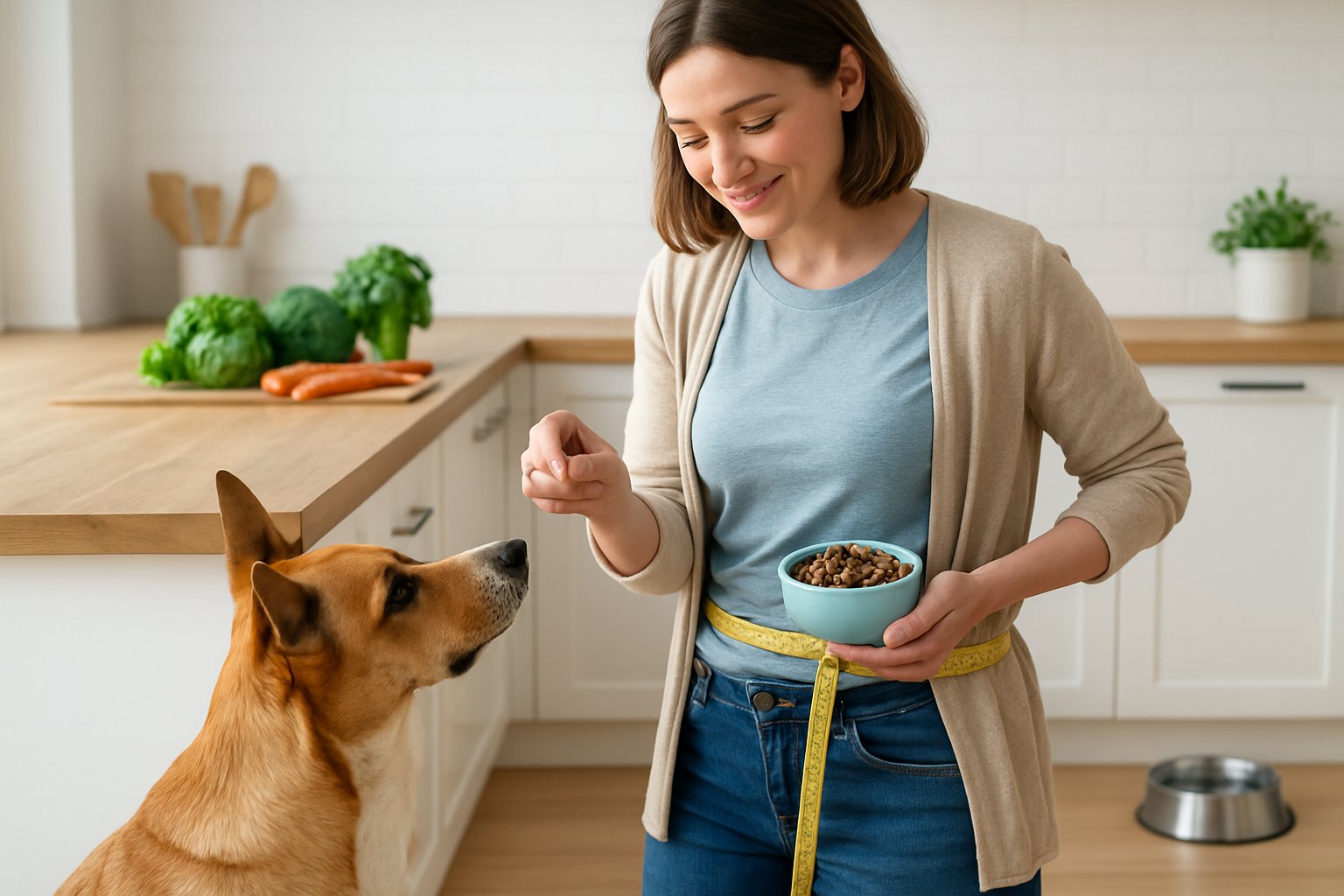
Smart feeding isn’t about cutting out all the fun—it’s about making every calorie count. I’ll show you how to swap high-calorie treats for healthier stuff, control portions without your pup feeling deprived, and make mealtime engaging so they slow down a bit.
Low-Calorie Dog Treat Swaps
Let’s be honest—store-bought treats are often calorie bombs in disguise. I’ve seen dogs pack on pounds just from “a few treats” scattered through the day.
Fresh Veggie Swaps That Actually Work:
- Green beans: Super low in calories and crunchy.
- Baby carrots: About 4 calories each, and gentle on the stomach.
- Apple slices: Remove the core and seeds first—they’re low in calories and high in fiber.
Air-popped popcorn is my secret weapon. At only 35 calories per cup, you can toss pieces around guilt-free. Skip the butter and salt, though.
Protein-packed options work great too. Small pieces of cooked chicken breast or fish scratch that meaty itch without all the fat.
Here’s what I avoid: garlic, onions, grapes, and raisins. They’re toxic to dogs, so stick to the safe list above.
The Truth About Treat Quantity
You know that look your dog gives you when they want treats? It’s not really about the treat—it’s about the attention and the moment.
The 10% Rule: Treats shouldn’t go over 10% of your dog’s daily calories. If your pup needs 600 calories, that’s just 60 calories from treats.
Portion Reality Check:
- 1 medium commercial dog biscuit = 40-100 calories
- 3-4 treats could equal a whole meal’s worth of calories
I’ve found that dogs don’t really care what the treat is—they just want your attention. Try this: reserve some of your dog’s daily kibble and use it as treats throughout the day.
Break treats into smaller pieces. Your dog gets the same reward, but with fewer calories. One treat can become three or four little rewards.
Fun Feeding and Slow Eating Tips
Ever watch your dog inhale their food in, like, 30 seconds? Fast eating leads to overeating—their brain doesn’t catch up to their belly.
Puzzle Feeders and Food Games:
- Hide kibble in puzzle toys.
- Scatter food across the yard.
- Turn finding snacks into a game.
DIY Slow Feeding Tricks: Toss a few tennis balls in your dog’s bowl. They’ll have to eat around them, which slows things down. Or use a muffin tin—put a little food in each cup.
Frozen Treat Solutions: Freeze low-sodium broth in ice cube trays. Your dog gets a long-lasting treat that takes effort to finish. Stuff a Kong toy with a bit of kibble and freeze it overnight.
Interactive Feeding Schedule: Instead of two big meals, try 3-4 smaller ones spread through the day. It keeps their metabolism humming and helps prevent that “starving dog” drama.
Honestly, the key is making your dog work a little for their food. It keeps their mind busy and naturally controls portions.
Movement and Motivation: Exercise Made Easy
Getting my overweight dog moving doesn’t have to feel like a chore for either of us. The trick is picking activities that burn calories without wrecking their joints, and making movement feel fun.
Best Activities for Overweight Dogs
Let’s be real—throwing a ball fifty times won’t work if my dog barely makes it around the block. I have to think smarter, not just harder.
Walking is my go-to start. Daily walks of 20 to 30 minutes boost metabolism without straining joints. I start with 10-minute strolls and build up.
Swimming is pure gold for heavy dogs. Water supports their weight, so it’s perfect for achy joints. My local park has a pond, but even a kiddie pool does the job for smaller pups.
Here are my favorite low-impact options for weight loss:
• Gentle fetch – Short throws, lots of breaks
• Indoor obstacle courses – Use couch cushions and boxes
• Slow hiking – Different terrain builds different muscles
• Water walking – Shallow streams or beaches
The secret sauce? I watch for heavy panting or signs of exhaustion. If my dog’s struggling, I’m pushing too hard.
Making Walks and Play Fun Again
You know that look dogs get when they see the leash and suddenly act like a statue? That’s when I know it’s time to switch things up.
I change our route all the time. New smells and sights keep my dog interested. Sometimes we walk backwards down the street (yep, it looks silly, but it works different muscles).
Sniff breaks are a must. I let my dog check out interesting spots for half a minute. It’s basically social media for dogs—they need their scroll time.
Game-changing trick: I bring tiny treats and practice commands during walks. Sit, stay, come—each command burns a little more energy and keeps their brain busy.
For indoor days, I get creative:
• Hide treats around the house for scavenger hunts
• Dance together to music (seriously, give it a shot)
• Use puzzle feeders that make them work for food
• Play gentle tug-of-war with rope toys
I’m not trying to exhaust my dog. I just want movement to feel like play, not a punishment.
Tracking Activity (and When to Ease In)
Here’s the kicker—I can’t just wing it and hope for the best. Small increases in exercise make a big difference, but I need to see what’s actually working.
My simple tracking system:
• Week 1-2: 10-minute walks, twice a day
• Week 3-4: 15-minute walks, add a play session
• Week 5+: 20-30 minute walks, more activities
I watch for these warning signs to slow down:
• Heavy panting that doesn’t stop after five minutes
• Limping or favoring a leg
• Reluctance to get up after exercise
• Excessive drooling or weakness
Red flag moment: If my overweight dog seems miserable during or after exercise, I’m doing too much, too fast. Starting slow prevents joint strain and keeps them wanting more.
I keep a simple phone note tracking:
- Daily walk time
- Energy level (1-10)
- Any limping or discomfort
- Weekly weight check
Every dog’s different. What works for my neighbor’s lab might not work for my bulldog. The key is consistency, patience, and actually listening to what my dog’s telling me.
Maintaining a Healthy Weight for Life
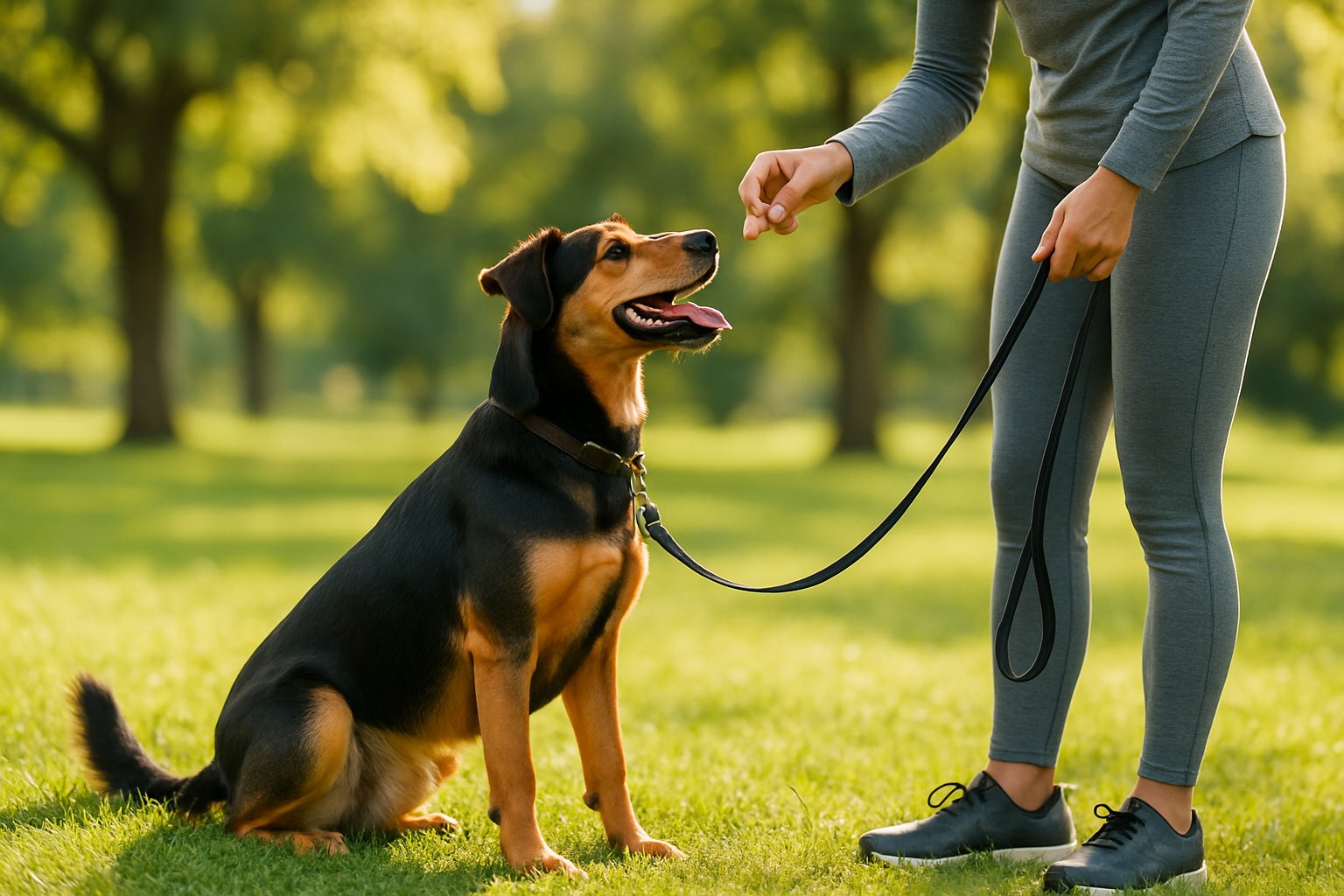
Once your dog hits their target weight, the real work starts. It’s all about building habits that stick and making sure everyone at home is on the same page.
Honestly, I’ve seen so many dogs bounce right back to their old weight. Don’t let that happen—resist the urge to relax your feeding habits just because the scale looks good.
Measure food portions every single day. Seriously, don’t trust your eyes. That “eyeballing” thing? It’s sneaky and got your pup in trouble before.
Weigh your dog monthly at home or during vet visits. A pound here or there adds up before you know it.
If you spot a 5% weight gain, trim those portions right away. Don’t put it off.
Make weight loss maintenance a long-term commitment. Your dog’s metabolism might be slower now, especially after spaying or neutering.
Stick to the same feeding schedule that worked during weight loss. Regular meals keep begging and overeating in check.
Involving the Whole Family
One person sneaking treats can undo weeks of hard work. Everyone at home needs to follow the same plan.
Set up a treat tracking system. Use a small container with your dog’s daily treat allowance. Once it’s empty, that’s it for the day.
This way, no one double-treats if multiple people are around. It really works.
Set house rules about sharing human food. That pizza crust might seem harmless, but those little choices add up over time.
Assign one person as the main feeder. This avoids confusion about whether your dog already ate.
Kids especially need clear rules about when and what they can give the dog. Otherwise, things get messy fast.
Teach everyone in the family to show love with activities, not food. Belly rubs, walks, playtime—they all make your dog just as happy as treats, minus the calories.
When to Call the Vet for Help
Sometimes, even with your best effort, your dog’s weight creeps back up. That’s when it’s time to call your vet.
Call your vet if your dog gains weight while eating the right portions. Conditions like hypothyroidism or Cushing’s can cause weight gain and need treatment.
Book check-ups every six months to keep an eye on your dog’s body condition score. Catching small changes early makes a big difference.
Reach out if your dog seems hungrier than usual or begs more. It could be a medical issue, or maybe their food just isn’t filling enough.
Ask for professional help if family members keep breaking feeding rules. Some vets offer behavior counseling or know pet nutritionists who can help with consistency.
Your vet can also tweak calorie needs as your dog ages. Senior pups usually need fewer calories to stay at a healthy weight.
Frequently Asked Questions
Dog weight loss stirs up a lot of questions for pet parents. Let me dig into the ones I hear most about helping pups drop those extra pounds in a safe, realistic way.
Noticing Fido’s been dragging a bit more belly on his walks? What’s a sensible first step to help shed those extra pounds?
I always tell folks to start with a simple body check at home. Stand behind your dog and look down—can you see a waist? Run your hands along their sides—can you feel ribs without pressing hard?
If not, it’s time to make some changes. The first step? Count those calories.
Weight loss starts and ends at the food bowl for dogs. Skip those vague feeding guidelines on the kibble bag—they’re usually too generous.
Figure out your dog’s daily calorie needs using their weight and activity. Here’s a quick formula: weight in pounds divided by 2.2, multiplied by 30, then add 70.
Ever thought of your kitchen as a doggy weight-loss clinic? What homemade meals can help Rover slim down?
Your kitchen can actually be a goldmine for dog weight loss! I love using fresh, whole foods instead of processed kibble.
Try lean proteins like boiled chicken breast, turkey, or fish. Toss in veggies like green beans, broccoli, or carrots—fiber helps your dog feel full with fewer calories.
Fresh diets offer quality protein, fiber, and moisture that keep dogs satisfied without all those carbs. Some commercial foods are over 60% carbs—wild, right?
My favorite meal for weight loss? Lean protein, steamed veggies, and a bit of brown rice or sweet potato. Just check with your vet about portions and nutrients.
How about turning your dog’s ‘playtime’ into ‘gym time’? Can you share some fun exercises that double as calorie burners for your pooch?
I’m all in on making exercise feel like play! Swimming is my top pick—it’s low-impact and burns a ton of calories.
No pool? No problem. Try interval training on walks—mix normal pace with short bursts of brisk walking for 30 seconds.
Dogs love the change-up, and it keeps things interesting. Stair climbing is another great option—just toss a toy up the stairs and let them fetch it a few times.
Be careful with older dogs and their joints, though. Most dogs need at least 20 minutes of exercise twice a day, but some breeds want even more.
If your pup isn’t used to activity, start slow. I usually suggest bumping up their exercise by 10-20% each week.
Let’s face it, treats are a pup’s best friend. But could they be the culprit in your dog’s weight gain? How do you cut back without cutting out the happiness?
Treats can totally wreck weight loss plans! I see it all the time—owners feed healthy meals but sneak in way too many treats.
The 10% rule is my go-to. Treats shouldn’t go over 10% of your dog’s daily calories.
Peanut butter? It’s 100 calories per tablespoon! Switch to single-ingredient treats like baby carrots, celery, blueberries, or green beans.
Here’s a trick: dogs are just as happy with a tiny bit of treat as a whole one. Cut those treats into quarters and watch the calories drop.
Did you know a dog’s diet isn’t just about food? How does hydration play into your four-legged friend’s fitness plan?
Water doesn’t get enough credit in dog weight management! I always ask if dogs are drinking enough—being a little dehydrated can slow their metabolism.
Staying hydrated helps control appetite too. Sometimes, dogs eat when they’re just thirsty—I’ve seen it happen.
Fresh, wet foods give more moisture than dry kibble. That extra water helps dogs feel fuller on fewer calories.
Always keep fresh water available, especially if you’re upping exercise. Watch for sticky gums or tiredness—those are signs of dehydration that can stall weight loss.
It’s not always ‘puppy fat’ that they grow out of, right? When is it time to get serious and talk to a vet about your doggo’s excess weight?
You’re totally right—dogs don’t just outgrow extra weight. I’d actually suggest seeing your vet before you start any weight loss plan, not after.
If you’ve stuck with the right calories and exercise for a good 4-6 weeks and nothing’s changing, it’s time to call your vet. Medical conditions like hypothyroidism and Cushing’s syndrome can sneak up and cause weight gain or make your pup sluggish.
Some things just can’t wait: if your dog pants a lot, struggles to walk, or doesn’t want to move much, that’s a big red flag. These signs mean extra weight might already be hurting your dog’s health.
Honestly, most dogs need 3-6 months to lose weight safely. Rushing it can do more harm than good, so having your vet involved keeps your dog safe the whole way.


Leave a Reply
You must be logged in to post a comment.