

As a cat parent, I’ve watched my senior feline companions struggle with eating in ways that broke my heart.
Senior cats need special feeding adjustments starting around age 7, including warmer food, smaller portions, and easily digestible nutrients to support their aging bodies.
The truth is, senior cats have unique nutritional needs that most pet owners don’t realize until their furry friend starts losing weight or showing less interest in meals.
Table of Contents
I learned this the hard way when my 12-year-old tabby, Whiskers, suddenly became a picky eater.
What I thought was just being fussy turned out to be age-related changes that required a complete feeding makeover.
Small changes in how you feed your senior cat can make a huge difference in their quality of life and health.
From choosing the right food temperature to timing meals perfectly, these practical tips will help your aging feline friend enjoy every bite while getting the nutrition they need to stay strong and healthy.
Senior Cat Feeding Tips: Key Takeaways
- Senior cats need warmer food and smaller, more frequent meals to accommodate age-related changes in appetite and digestion
- Switching to senior-specific cat food with higher protein and adjusted nutrients supports muscle mass and organ function in cats over 7 years old
- Creating a comfortable, quiet feeding environment with elevated bowls can help senior cats eat more easily and reduce stress during mealtimes
When Is a Cat Considered a Senior?
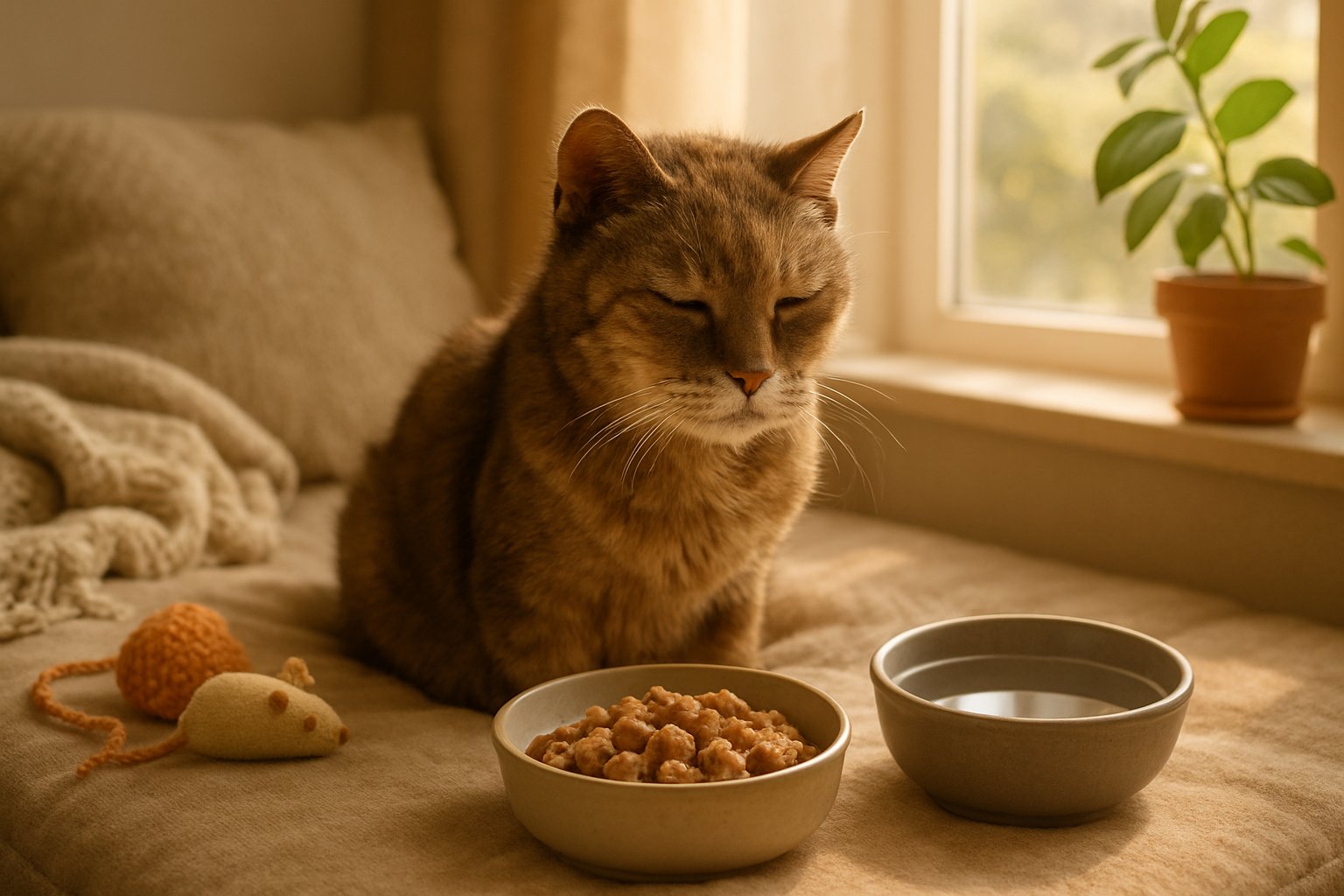
Most cats enter their senior years around age 7, though the signs of aging often appear gradually over time.
Understanding when your feline friend becomes a senior helps you make better feeding decisions that support their changing nutritional needs.
Identifying the Signs of Aging in Cats
I’ve noticed that aging cats don’t always show obvious changes right away.
The subtle shifts often catch us off guard.
Physical changes become more noticeable first. Your cat might move a bit slower or hesitate before jumping onto their favorite perch.
Their coat may lose some shine or feel different under your hands.
You’ll also see behavioral shifts that signal senior status. Some cats become pickier eaters or take longer to finish meals.
Others sleep more during the day or seem less interested in playing.
Age classifications vary among veterinary experts. While some consider cats seniors at 7 years old, others use age 9 as the “old” marker.
The key is watching your individual cat.
Indoor cats often age differently than outdoor cats. Their lifestyle, genetics, and health history all play roles in how quickly they show senior signs.
Why Age Impacts Feeding Choices
When your cat becomes a senior, their digestive system and nutritional needs change in ways that directly affect how I recommend feeding them.
Metabolism slows down as cats age, which means they need fewer calories but more targeted nutrition.
Senior cats often struggle to maintain healthy body weight—some lose muscle mass while others gain fat.
Their sense of smell and taste may weaken, making food less appealing. This explains why some senior cats suddenly reject foods they’ve eaten for years.
Aging cats prefer warm food because heat releases more aroma.
Dental issues become more common, making dry kibble harder to chew.
Many senior cats benefit from switching to wet food or having their dry food softened with warm water.
Health conditions like kidney disease or arthritis affect feeding choices too.
These issues may require special diets or feeding arrangements that reduce stress on aging joints.
The 2021 AAFP senior care guidelines emphasize that nutrition planning must consider each cat’s specific health status and deficiencies, not just their age.
Senior Cat Nutrition Essentials
Senior cat nutrition requires a thoughtful approach that addresses your aging feline’s changing metabolic needs and digestive capacity.
The most critical elements include ensuring adequate high-quality animal protein intake, providing essential nutrients that support organ function, and maintaining proper hydration levels.
Importance of High-Quality Animal Protein
I can’t stress this enough—your senior cat needs more protein, not less.
It’s one of the biggest myths I see floating around that older cats should eat low-protein diets.
Here’s what’s actually happening in your cat’s body as they age. Their muscle mass naturally starts to decline, and their ability to process protein becomes less efficient.
This means they need higher-quality protein sources to maintain their strength and vitality.
The protein quality makes all the difference. Look for foods where real meat, poultry, or fish appears as the first ingredient.
I’m talking about chicken, turkey, salmon—not mysterious “meat by-products” or plant proteins.
Senior cats should get diets containing highly bioavailable protein that their bodies can easily absorb and use.
Think of it like this: would you rather have a small piece of premium steak or a large bowl of cheap protein powder?
Your cat’s kidneys can typically handle quality protein just fine.
The real problem comes from low-quality proteins that create more waste for their organs to process.
Key Nutrients for Older Felines
Your senior cat’s nutritional needs shift in ways that might surprise you.
I’ve learned that older cats often struggle with poor absorptive capacity, which means they need more concentrated nutrition.
Essential nutrients your senior cat needs more of:
- Omega-3 fatty acids — supports brain function and reduces inflammation
- Antioxidants (vitamins E and C) — fights cellular damage from aging
- B vitamins — maintains energy levels and nerve function
- Taurine — critical for heart and eye health
- Quality fats — provides concentrated energy and supports coat health
Think about this: your 12-year-old cat isn’t the same as your 3-year-old cat was.
Their metabolism has slowed down, but their nutrient needs have actually increased in many areas.
I always recommend looking for senior-specific formulas that account for these changing needs.
These foods are formulated with higher concentrations of key nutrients to compensate for decreased absorption.
Watch for nutrient deficiencies. Senior cats often show subtle signs like dull coats, decreased energy, or minor digestive issues before major problems develop.
Hydration and Moisture Matters
Here’s something that keeps me up at night—senior cats are walking dehydration risks, and most owners don’t realize it until it’s too late.
Your aging cat’s thirst drive naturally decreases as they get older.
Their kidneys also become less efficient at concentrating urine. This creates a perfect storm for dehydration and kidney problems.
Wet food becomes your best friend. I strongly recommend feeding canned foods to senior cats because the moisture content helps maintain hydration levels naturally.
Consider this simple math: dry food contains about 10% moisture, while wet food contains 75-80%.
That’s a massive difference for a cat who might not drink enough water on their own.
Practical hydration tips I swear by:
- Add warm water or low-sodium broth to dry food
- Provide multiple fresh water sources around your home
- Consider a water fountain—many cats prefer moving water
- Monitor litter box clumps—smaller or fewer clumps might signal dehydration
If your senior cat has been a dry food devotee their whole life, don’t worry.
Older cats can be taught to accept wet food with patience and gradual transitions.
Choosing and Transitioning to Senior Cat Food
Making the switch to senior cat food requires understanding your aging kitty’s changing needs and taking the right steps to keep them healthy.
Senior cat nutritional needs shift as they age, and choosing between wet and dry options plus transitioning properly makes all the difference.
Wet vs Dry Food for Seniors
Let me be honest—wet food wins for most senior cats, and I’ll tell you exactly why.
Hydration is everything for older cats.
Senior kitties often struggle with kidney issues and don’t drink enough water naturally. Canned foods help achieve better hydration since they contain 70-80% moisture compared to dry food’s 10%.
Your senior cat’s kidneys work harder as they age. That extra moisture from wet food takes pressure off their system and helps flush out toxins more effectively.
Easier to chew and digest becomes crucial too.
I’ve seen countless senior cats struggle with hard kibble when their teeth hurt or jaw muscles weaken.
Wet food also packs more protein per calorie.
Senior cats need high-quality protein to maintain muscle mass and fight off sarcopenia (age-related muscle loss).
Here’s what I recommend:
- Primary choice: High-quality wet food
- Mixed feeding: Combine wet and dry if your cat prefers variety
- Dry only: Choose small kibble size if wet isn’t an option
How to Transition to Senior Cat Food
I can’t stress this enough — go slow or your cat will reject the new food entirely.
The golden rule? Transition gradually over 7-10 days by mixing the new diet with their current food.
Week 1 transition schedule:
- Days 1-3: 75% old food, 25% new food
- Days 4-6: 50% old food, 50% new food
- Days 7-10: 25% old food, 75% new food
Pro tip: Place the new diet as a choice next to their usual food container. Let them explore it without pressure.
Watch for these red flags during transition:
- Vomiting or diarrhea
- Complete food refusal for 24+ hours
- Lethargy or behavior changes
If your senior cat resists, slow down the process. Some picky eaters need 2-3 weeks to fully accept new food.
Make it appealing: Warm wet food slightly or add a sprinkle of their favorite treats on top.
Reading Labels and Vet Recommendations
Most pet foods marketed as senior products aren’t actually better — they’re just marketing tricks.
- First ingredient: Named meat or meat meal
- Protein content: Minimum 26% for dry, 10% for wet
- AAFCO statement: “Complete and balanced”
- Specific life stage: Senior or all life stages
Red flags I avoid:
- Generic terms like “meat by-products”
- Excessive fillers (corn, wheat gluten)
- Artificial colors and preservatives
- “Senior” labels without nutritional backing
Your vet knows best. Seriously, I always recommend discussing senior cat nutritional needs with your veterinarian first.
They can spot health issues that require therapeutic diets. Kidney disease, diabetes, or dental problems might need prescription foods instead of over-the-counter senior formulas.
Questions to ask your vet:
- Does my cat need prescription food?
- What protein level is best?
- Should I add supplements?
- How often should I reassess their diet?
Don’t guess with your senior cat’s nutrition. Book that vet visit and get personalized recommendations based on their health status, not just their age.
Practical Feeding Tips for Senior Cats
Senior cat feeding requires changes to meal timing and some creative strategies for finicky eaters. You’ll need to keep an eye on your cat’s shifting needs as they age.
Setting the Right Feeding Schedule
I’ve found that senior cats benefit from smaller, more frequent meals throughout the day. Their digestive system just doesn’t work like it used to.
Ideal meal frequency for senior cats:
- 3-4 small meals daily instead of 1-2 large ones
- Space meals 4-6 hours apart
- Keep feeding times consistent
Consistent timing helps your senior cat’s body prepare for digestion. I recommend setting phone reminders until the new schedule becomes routine.
Watch how your cat responds to the new timing. Some seniors do better with even smaller portions spread across 5-6 mini-meals, especially if they’re dealing with nausea or digestive issues.
Tips for Picky or Reluctant Eaters
Let’s be real — senior cats can become incredibly finicky about food. Age-related changes in smell and taste make this frustrating behavior totally normal.
Temperature makes a huge difference. Research shows aging cats prefer warm food. I warm my senior cat’s food to body temperature (around 100°F) before serving.
Try these appetite-boosting strategies:
- Add warm water or low-sodium broth to dry food
- Mix in a small amount of wet food for extra aroma
- Offer different textures — pâté, chunky, or shredded varieties
If your cat suddenly stops eating their usual food, don’t panic. Gradually introduce new options by mixing 10-20% new food with their familiar meal.
Location matters too. Move food bowls to quiet, easily accessible spots away from household traffic.
Special Feeding Strategies for Common Health Issues
Senior cat nutrition gets tricky when health problems enter the picture. Each condition requires specific feeding adjustments that I’ve learned work best through experience.
For kidney disease:
- Increase wet food to boost hydration
- Consider prescription diets only after vet consultation
- Add water fountains to encourage drinking
For arthritis and mobility issues:
- Raise food bowls to shoulder height
- Use shallow, wide dishes to reduce neck strain
- Place multiple feeding stations around your home
For cognitive changes:
- Stick to familiar foods and locations
- Keep feeding routines exactly the same
- Use puzzle feeders to stimulate mental activity
I always consult my vet before making major dietary changes for health conditions. What works for one senior cat might not suit another.
Monitoring Weight and Body Condition
Your senior cat’s weight tells an important story about their overall health. I check my cat’s body condition monthly using a simple hands-on approach.
Weekly weight monitoring steps:
- Feel along the ribs — you should feel them easily without pressing hard
- Check the waist tuck when viewing from above
- Watch for muscle loss in the shoulders and hips
Red flags to watch for:
- Sudden weight loss (more than 1-2 pounds)
- Difficulty feeling ribs due to fat coverage
- Visible hip bones or spine prominence
Keep a simple feeding log noting appetite changes, treat amounts, and any feeding difficulties. I use my phone’s notes app to track patterns over time.
If your senior cat gains or loses weight unexpectedly, schedule a vet visit within a week. Senior cats need more frequent monitoring because their nutritional needs can shift quickly with age.
Frequently Asked Questions
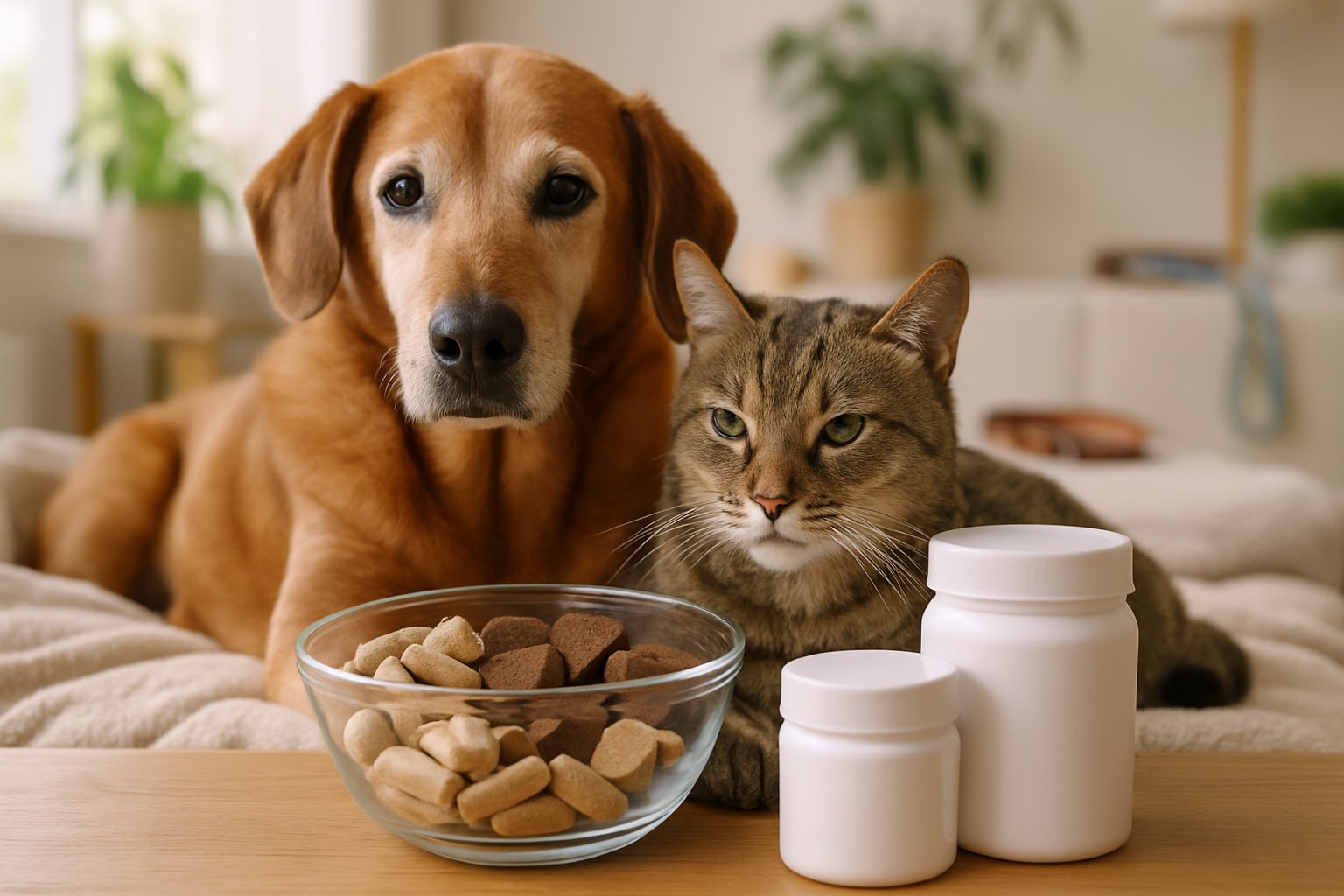
Senior cats face unique feeding challenges that can leave you scratching your head. From appetite changes to weight concerns, I’ve got the answers to help your aging feline thrive.
Noticed your senior cat isn’t chowing down like before? Wondering what’s up with that?
Let’s be real — when your once-ravenous cat suddenly turns into a picky eater, it’s nerve-wracking.
Appetite changes in senior cats are super common. As cats age, their sense of smell weakens, making food less appealing.
Think of it like how food tastes bland when you have a cold. Senior cats may lose their sense of smell, which directly affects their interest in eating.
Dental pain from aging teeth can also make chewing uncomfortable.
Here’s what I recommend trying:
Warm your cat’s food slightly to enhance the aroma. Switch to wet food if you’re feeding dry — it’s easier on aging teeth and more aromatic.
Check with your vet if the appetite loss persists. Sometimes underlying health issues like kidney disease or hyperthyroidism cause eating changes.
Got a skinny old feline at home? Here’s the scoop: what’s tip-top for beefing up their weight?
Weight loss in senior cats is serious business — and I don’t mean the good kind of weight management.
When older cats lose weight, it’s often muscle loss (called sarcopenia) rather than fat. This makes them weaker and affects their quality of life.
Focus on high-quality protein sources. Your skinny senior needs easily digestible proteins to rebuild muscle mass.
Look for foods with real meat as the first ingredient. Feed smaller, more frequent meals throughout the day.
Think of it as senior cat “grazing” — easier on their system and helps with absorption. Highly digestible diets rich in antioxidants and omega-3 fatty acids can help combat muscle wasting.
These nutrients support overall health while encouraging weight gain. Consider adding a bit of low-sodium chicken broth to make meals more appealing.
Sometimes a little flavor boost is all they need.
Vets have their favorites, don’t they? So what’s the word on the street for top-tier grub for grizzled kitties?
Most vets I know swear by age-appropriate senior formulas — and there’s solid science behind their recommendations.
Senior cat food addresses the needs of aging cats with adjusted protein levels, added fiber, and joint-supporting ingredients.
Look for foods with these vet-approved features:
Moderate protein levels (not too high if kidney function is declining). Enhanced omega-3 fatty acids for brain health and coat quality.
Prebiotics and probiotics for digestive health. Senior cats often have more sensitive stomachs than their younger counterparts.
Here’s the kicker — many vets recommend transitioning to senior food around age 8-10, not waiting until your cat shows signs of aging.
Ask your vet about prescription diets if your cat has specific health conditions. Sometimes the “best” food is the therapeutic one that manages their particular needs.
Paws for thought if your mature mouser’s munch leads to upchucks. Which noms make for happier tum-tums?
Vomiting after meals is my senior cats’ way of saying “this isn’t working for me.”
Senior cats usually have more sensitive digestive systems as they age. Their bodies just don’t process food like they used to.
Gentle, easily digestible ingredients are your best bet. Limited ingredient diets can really help those sensitive senior stomachs.
Stick with simple protein sources—chicken or fish work well. Avoid foods loaded with artificial colors, preservatives, or by-products.
These additives often upset older cats’ digestion. Nobody wants that mess.
Try these stomach-soothing strategies:
Offer smaller portions more often instead of one or two big meals. Elevate food bowls a bit to make eating easier on their necks.
Interactive toys and puzzles slow down those speedy eaters, cutting down on gulping and surprise upchucks.
If you’re still feeding dry food, maybe it’s time to switch to wet. Wet food is easier on older tummies and bumps up their hydration.
What can turn mealtime into a win again for your wise whiskered pal who’s seen it all?
Making mealtime exciting for a senior cat is like rekindling an old romance — it takes creativity and patience.
Food puzzles can help with both physical and emotional wellbeing in cats of all ages, including seniors.
Mental stimulation during feeding keeps their minds sharper. Who doesn’t want that for their old buddy?
Create a senior-friendly feeding environment:
Feed your cat at the same times and places every day. Senior cats really do better with a predictable routine.
Keep food easy to reach—skip the high shelves if arthritis is in the picture. Comfort matters a lot for older felines.
Add some pizzazz to their meals. Try a sprinkle of freeze-dried chicken or a dash of tuna juice to make boring food more tempting.
Warming up wet food to room temperature can work wonders. The smell gets stronger, which helps if your cat’s nose isn’t what it used to be.
That said, sometimes the simplest tweaks make the biggest impact. Maybe your cat just wants a quiet spot to eat away from the household chaos.
Curious about the tales of the tape for a cat pushing the big one-seven? What’s the dinner deets?
A 17-year-old cat is basically the equivalent of an 84-year-old human. At that age, they really deserve VIP treatment, don’t they?



Leave a Reply
You must be logged in to post a comment.