

If your dog’s coat looks dull or your cat seems less playful than usual, omega 3 supplements for pets might be exactly what they need.
These fatty acids support everything from skin and joint health to brain function. Your pet’s regular food might not provide enough of them.
Adding an omega 3 supplement can fill that nutritional gap. It could help your furry friend feel their best.
I’ve learned that omega 3s come in different forms for pets, like fish oil, krill oil, and algae-based options.
Fish oil is the most common type because it’s rich in EPA and DHA, which are the two omega 3s with the most health benefits.
Table of Contents
Some pets need omega 3s for itchy skin or allergies. Others seem to benefit from the anti-inflammatory effects that help with aging joints.
The right supplement depends on your pet’s specific needs and any sensitivities they might have. There’s no one-size-fits-all here, honestly.
The source and purity of omega 3 supplements matter more than you might think.
Look for products that clearly state where the oil comes from and whether they’ve tested it for contaminants like mercury or PCBs.
The freshness of the oil is important because omega 3s can go rancid quickly. Rancid oil doesn’t just lose effectiveness—it can upset your pet’s stomach.
I spent weeks researching and comparing omega 3 supplements for pets. I wanted to find the ones that deliver real benefits without unnecessary fillers or sketchy quality.
Best Omega-3 Supplements for Pets
I’ve reviewed dozens of omega 3 supplements for pets to help you find the right one for your furry friend.
Below is my full list of the best products that support healthy skin, shiny coats, and joint health in dogs and cats.
Zesty Paws Wild Alaskan Omega-3 Oil
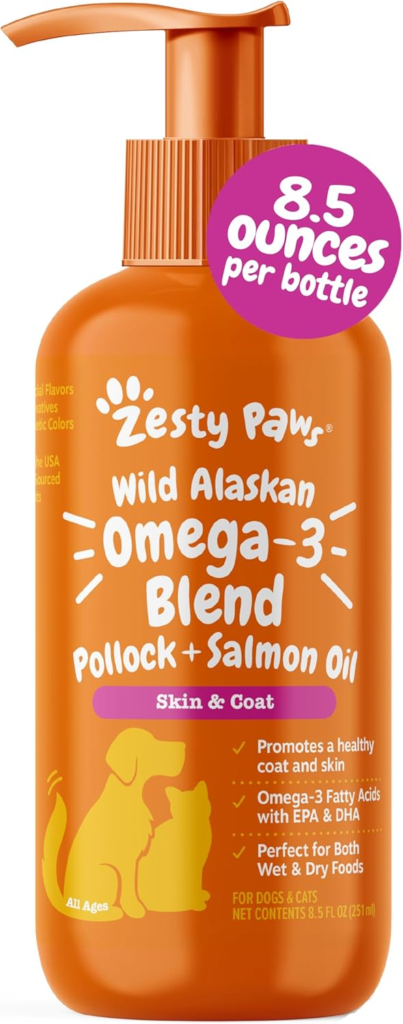
This pump-bottle salmon oil makes adding omega 3 supplements for pets incredibly easy. My animals actually enjoyed the taste.
Pros
Cons
I started using this omega 3 supplement for pets because my dog had been scratching more than usual.
The pump bottle immediately won me over since I didn’t have to deal with messy capsules or measuring spoons. Just a few pumps over their regular food, and my pets were ready to eat.
Within about five days, I noticed my dog’s fur looked shinier when the light hit it. The scratching didn’t stop completely, but it definitely decreased.
My cat seemed indifferent at first, but she cleaned her bowl like normal.
The salmon smell is pretty strong when you first pump it out. My pets didn’t mind at all, but I had to wash my hands right after serving their meals.
I keep the bottle in the fridge now because I learned the hard way that fish oil goes bad quickly at room temperature.
I did have one small issue when I first introduced this to my younger cat. She threw up twice in the first three days, so I cut her dose in half for a week.
After that adjustment period, she handled it fine. The dosing chart on the bottle helped me figure out the right amount for each pet’s weight.
For the price and the number of servings you get, this Zesty Paws omega oil feels like decent value. My dog’s coat improvement alone made it worth trying.
Just remember to start slow if your pet has a sensitive stomach, and always keep it cold after opening.
Coco and Luna Omega 3 Fish Oil Chewables
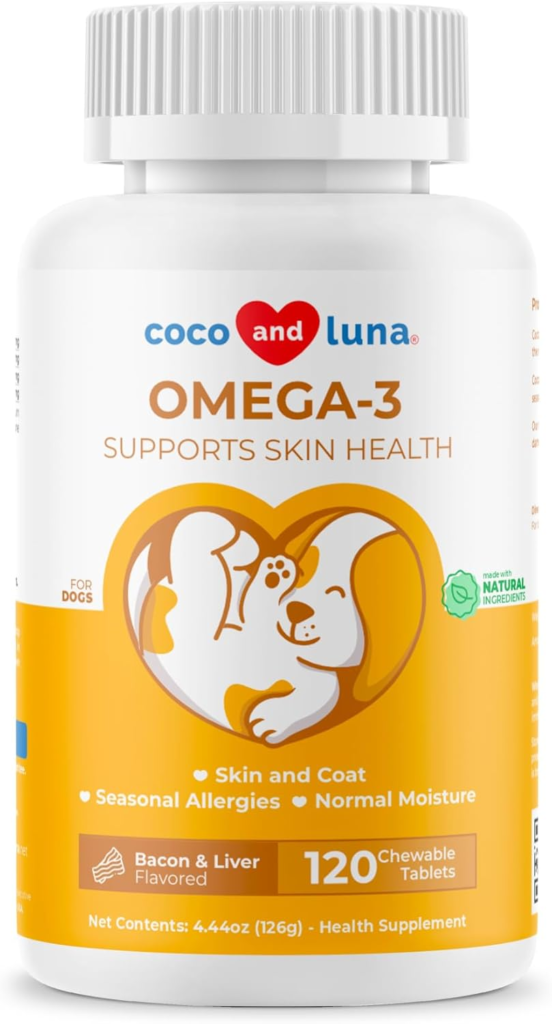
These chicken-flavored tablets worked well for my dog’s dry skin. They gave his coat a nice shine without upsetting his stomach.
Pros
Cons
I started using these omega 3 supplements for pets when my dog developed flaky skin last spring. The tablets have a strong chicken scent that caught his attention right away.
He takes them like treats most days, which makes my morning routine much easier than dealing with pumps or liquids.
Within three weeks, I noticed his coat felt smoother when I pet him. The constant scratching slowed down too.
His fur developed this healthy shine that wasn’t there before, and I found way less hair on my couch and clothes.
The vitamin E in these seems to really help with seasonal issues. My dog used to get itchy around his paws and ears every spring, but this year wasn’t nearly as bad.
I can’t say they solved everything, but the improvement was clear enough that I kept buying them.
The biggest challenge came when my friend tried giving these to her Chihuahua. The little guy took one sniff and walked away every single time.
She ended up crushing them into wet food, which worked but added extra steps. If your pet is super picky, this might happen to you too.
Each bottle lasted about two months for my 40-pound dog. The cost felt reasonable given that one vet visit for skin problems would cost way more.
I liked that they’re made in the USA, though I wish the price dropped a bit for people with multiple pets at home.
Nordic Naturals Omega-3 Pet
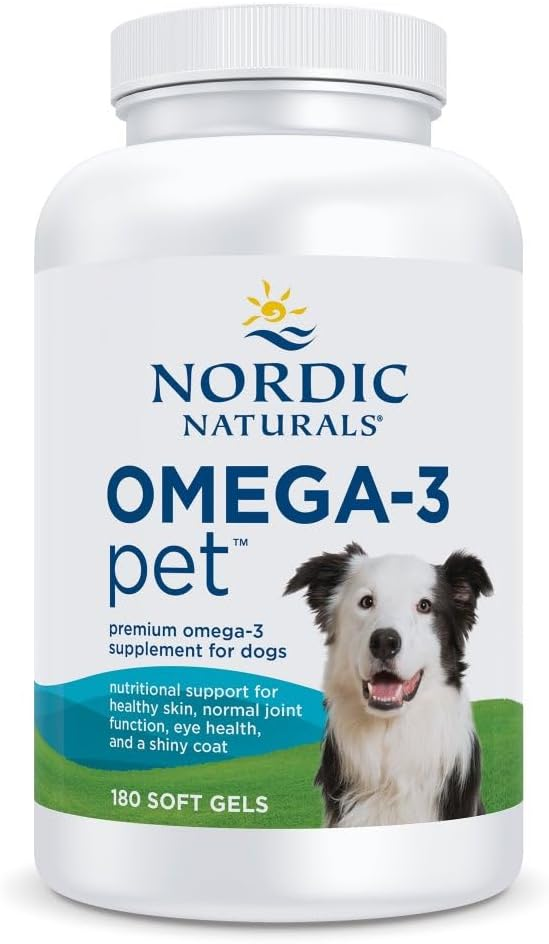
I’ve been using these soft gels for my dog for a few months now. Honestly, his coat looks better than it has in years.
Pros
Cons
I started giving my dog these Nordic Naturals soft gels after noticing his skin getting flaky during winter. The dosing is simple—one capsule for every 20 pounds of body weight.
My 40-pound pup gets two per day mixed right into his breakfast. The capsules themselves are pretty big.
I tried giving one to my dog whole at first, and he just looked at me like I was crazy. Now I snip the end off with scissors and squeeze the oil directly onto his kibble.
He doesn’t seem to mind the taste at all, and sometimes I think he actually likes it.
After about three weeks, I noticed his coat getting softer. The dry patches on his skin started clearing up too.
His fur has this healthy shine now that it didn’t have before. A few people at the dog park have even commented on how good he looks.
The bottle comes with 180 soft gels, which lasts my dog about three months. That’s pretty decent value considering the quality.
I like that Nordic Naturals uses the same grade of fish oil for pets that they use in their human products. It makes me feel better about what I’m giving him.
My only real complaint is the size of the capsules. If you have a small dog or cat, you’ll definitely need to puncture them and pour the oil out.
Some of my friends with picky eaters have told me their pets refuse to eat food with the oil on it, so that’s something to consider.
Pet Honesty Omega 3 Fish Oil
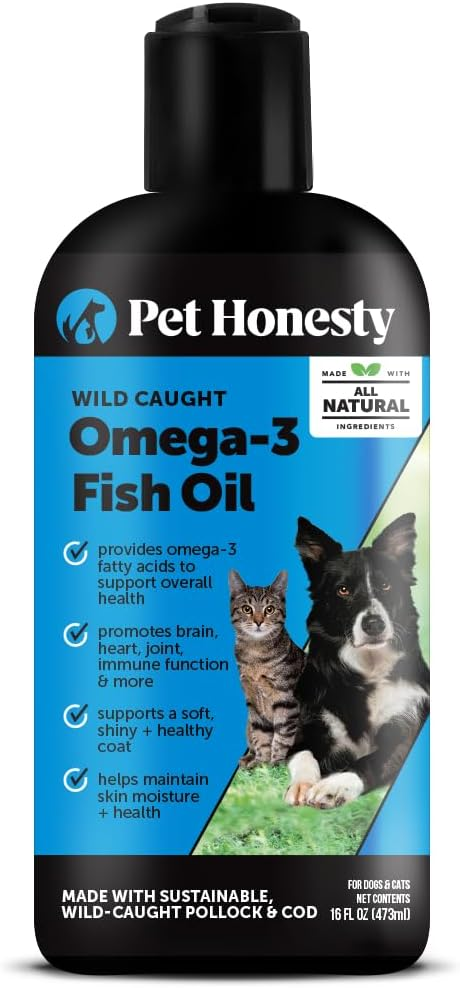
I tried this wild-caught Alaskan fish oil, honestly not expecting much, but it cleared up my cat’s dry skin patches in a couple weeks. My dog’s coat got noticeably softer too, which surprised me.
Pros
Cons
I’ve been adding this omega 3 to my pets’ meals for a few months. My older cat had stubborn flaky patches on her back, and nothing else worked. After about three weeks, those dry spots finally disappeared.
The taste must be pretty good because my dog gets excited when he sees the bottle. I pour it over his kibble and mix it in. Even my picky cat eats her food with it, which is rare for her.
Knowing this comes from wild-caught Alaskan fish makes me feel better about what I’m giving my pets. The company does third-party testing, which helps me trust what’s in the bottle.
The bottle, though, is a pain. With no dropper or pump, I end up pouring too much sometimes, and it gets on my hands and the bottle. It’s messier than I’d like.
My dog’s coat is shinier now, and people at the park have even asked what I’ve changed. His fur feels softer, and I see less shedding around the house.
The fish smell is strong when you open the bottle. I kind of expected that, but if you’re sensitive, it’s worth knowing. I keep it in a cabinet away from my own food because the scent sticks around.
For the price and size, I think it’s a good value. The 16-ounce bottle lasts me about two months with both a dog and a cat using it daily. My 40-pound dog gets a teaspoon, and my 10-pound cat gets a quarter teaspoon.
Native Pet Omega Oil
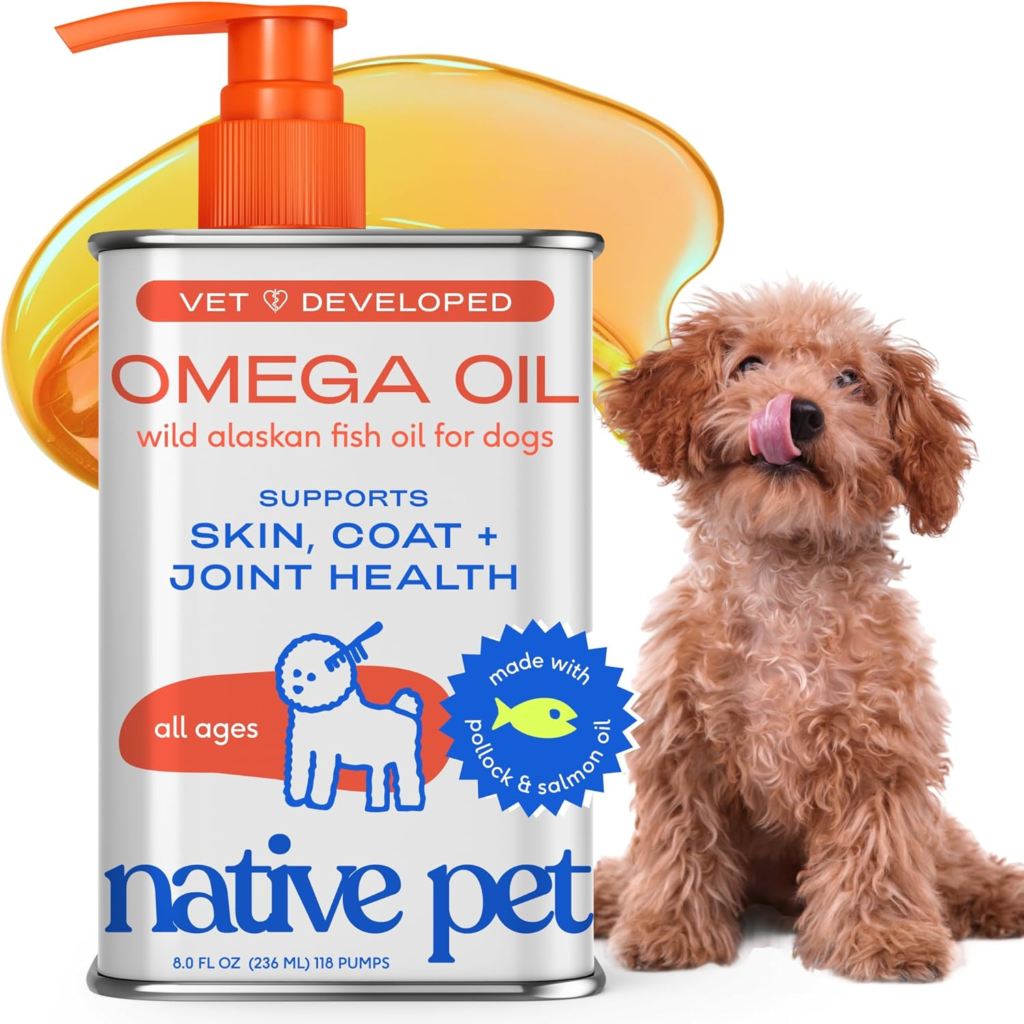
If you want a supplement with a pump bottle that’s easy to use, this omega 3 is a solid pick. Just be ready for a strong fish smell.
Pros
Cons
I started adding this omega oil to my pets’ food, and they ate it up with no hesitation. The pump design is honestly such a relief—no more messy drips or pouring accidents.
My dog’s dry, flaky skin looked better after about two weeks of daily use. I used two pumps per meal for my 40-pound dog, following the bottle’s guidelines. The wild-caught Alaskan fish oil blend seems to do what it claims.
The smell hit me right away. It’s a powerful, fishy odor that fills the room, so I usually pump it over the food bowl outside or near a window. My cat didn’t care at all and actually got more interested in her food.
This omega 3 supplement includes biotin and wheat germ oil, not just fish oil. My pet’s shedding dropped off, which meant less fur everywhere. The blend of omega 3, 6, and 9 covers more nutritional ground than basic oils.
The bottle lasted about a month with one medium dog. I wish they offered a bigger size for better value. My older dog with joint stiffness seemed to move easier after three weeks, but every pet is different.
Buying Guide
When I’m shopping for omega 3 supplements for pets, I always check where the fatty acids come from. Fish oil is most common, but there are also options made from krill, algae, or plant-based sources like flaxseed.
The best omega 3s for pets come from wild-caught fish or sustainably sourced krill. I skip products that don’t say where their ingredients come from. Quality matters for my pet’s health.
What to Look For
Here’s what I always check before buying:
- Purity and testing – I want products tested for heavy metals, mercury, and contaminants
- EPA and DHA content – These are the main omega-3s that actually help, so I look for exact amounts on the label
- Form – Liquid, soft chews, or capsules all work, but I pick what my pet will actually eat
- Freshness – Omega-3s can go rancid, so I look for added antioxidants like vitamin E
| Feature | Why It Matters |
|---|---|
| Third-party testing | Confirms quality and safety |
| Clear dosing instructions | Helps me give the right amount for my pet’s weight |
| Expiration date | Ensures the product is still effective |
I also check the concentration. Some products are strong, so you use less. Others are diluted, so you go through the bottle faster.
If my pet has a fish allergy, I look for algae-based options instead. These still give EPA and DHA, just without the seafood.
Frequently Asked Questions
Pet parents often wonder if omega 3 supplements for pets really work, which ones are worth the money, and how their vet’s recommendations compare to what other dog and cat owners use.
Ever wondered if your furry friend could benefit from some Omega-3 boost? How can they?
I’ve seen a lot of pets change for the better after adding omega 3 supplements to their routine. Your dog or cat can benefit in ways you might not expect.
Omega-3s support heart health by keeping blood pressure steady and reducing inflammation. If your pet moves slower or has stiff joints, these fatty acids can make a real difference.
Their brain function gets a boost too. Older pets seem sharper, and anxious pets often calm down. I’ve noticed this especially in senior dogs who act more alert after a few weeks on fish oil.
Your pet’s coat says a lot about their health. Omega-3s make fur shinier and softer and help with shedding. They also help pets with dry, flaky skin or allergies that cause itching.
You’ve probably noticed your dog scratching non-stop. Could Omega-3 help soothe their itchy skin?
That constant scratching can drive you both nuts. Omega 3 supplements for pets really do help with itchy, irritated skin.
The EPA and DHA in fish oil calm the inflammation that causes itching. Your dog’s immune system can go overboard with allergies, and omega-3s help balance that out. Most pet owners see less scratching in three to six weeks.
Hot spots, redness, and flaky patches often get better with a good omega-3 supplement. The fatty acids help strengthen your pet’s skin barrier so allergens have a harder time getting through.
I always say this works best along with other treatments. If your vet prescribed allergy meds, omega-3s boost those effects. Tackling the problem from more than one angle just works better.
Debating which fish oil might top the chart for your loyal companion? What do fellow pet parents recommend?
Pet parents love sharing what actually works for their dogs and cats. I keep seeing the same brands pop up in reviews and forums.
Nordic Naturals Pet Omega-3 is a top pick. Dog owners say it cuts shedding and helps with joint pain. The liquid mixes easily with food.
Zesty Paws Omega Bites are a hit with picky eaters. These soft chews taste good enough that most dogs think they’re treats. They have EPA, DHA, and vitamins for skin and coat.
Grizzly Pollock Oil gets recommended for purity and sustainable sourcing. Pet parents with multiple dogs like the pump bottle for easy dosing.
Smaller brands like Vetoquinol Alaskan Salmon Oil have loyal fans too. People like that it’s made just for pets, not just human supplements with a new label.
How about those mainstream pet Omega-3 options on Amazon? Do they actually live up to the hype?
Amazon’s top-selling omega 3 supplements for pets have thousands of reviews, but do they measure up? I dug through the feedback to see what’s real.
Zesty Paws Wild Alaskan Salmon Oil has over 80,000 reviews and a 4.5-star average. Owners report shinier coats in two weeks and less joint stiffness in older dogs. Some mention a fishy smell, but most pets seem to love it.
Nutri-Vet Fish Oil Supplements come as softgels, good for dogs who won’t eat liquid oils. Reviews mention improvements with skin allergies and dry noses. A few say the capsules are big for small breeds.
Pure Wild Alaskan Salmon Oil comes in a pump bottle, which pet parents find handy. Reviews mention less shedding and softer fur. Some cats refuse it because of the strong fish scent.
Cheaper supplements get mixed reviews. Sometimes they use lower-quality ingredients or have inconsistent dosing. I always check recent reviews since companies can change their formulas.
When your vet says ‘Omega-3’, do they have a go-to brand for your four-legged bestie?
Veterinarians usually pick omega-3 supplements for pets based on purity and dosing accuracy. They also look for brands with a solid clinical track record, which makes sense if you want results you can trust.
Welactin shows up at the top of a lot of vet lists. It’s made just for pets and comes in different strengths for different sizes.
Many vets reach for Welactin when they’re managing inflammatory conditions. They also rely on it to help pets with kidney disease.
Nordic Naturals Pet Omega-3 is another favorite. It’s third-party tested for mercury and other contaminants, which is honestly reassuring.
Vets like knowing the omega-3 concentration stays consistent from bottle to bottle. That kind of reliability matters more than you might think.
Nutramax Welactin pops up on a lot of vet-approved lists too. It packs high levels of EPA, which really helps pets dealing with arthritis or inflammatory bowel disease.
Some vets go with Epakitin for pets with kidney problems. This one mixes omega-3s with chitosan to support kidney function in a way regular fish oils just can’t.
If your pet has serious health issues, your vet might bring up prescription options. These pharmaceutical-grade supplements cost more, but they offer precise dosing for medical conditions—sometimes, that’s exactly what’s needed.
Heard through the grapevine about Nordic Naturals for your pet? What’s the real deal according to other pet lovers’ reviews?
Nordic Naturals gets a lot of love from pet parents who’ve tried all sorts of omega 3 supplements for pets. I’ve sifted through a mountain of reviews to figure out what makes this brand actually stand out.
Dog owners see changes pretty quickly. Within two or three weeks, coats often get noticeably softer and shinier.
One reviewer swore their Labrador’s dull, brittle fur turned into a glossy coat that felt like silk. That’s a pretty bold claim, but it’s not the only one like it.
The liquid version blends into food easily. Most pets don’t even notice it’s there.
Picky eaters who snub other fish oils seem to accept Nordic Naturals. Cat owners in particular point out it works when nothing else does.
Some pet parents dealing with health problems report solid results. Dogs with arthritis move more easily after a month or so.
Pets with chronic skin allergies scratch less and get fewer hot spots. That sounds like a relief for everyone involved.
The price gives some folks pause at first. But most reviews say it’s worth it, since you use less compared to the cheaper stuff.
The EPA and DHA levels are higher, so a smaller amount does the trick. That’s a nice change from dumping spoonfuls of the low-concentration brands.
A few reviewers mention the bottle can get messy if you’re not careful. Not a dealbreaker, but worth knowing.


Leave a Reply
You must be logged in to post a comment.