
Small dog feeding schedules can feel overwhelming when you’re trying to figure out what’s best for your tiny companion.
Most small dogs thrive on eating two to three meals per day, with puppies needing three to four smaller meals spread throughout the day to maintain stable blood sugar levels. Getting this right matters more than you might think.
Table of Contents
I’ve seen so many small dog owners struggle with the same questions.
Should you free-feed your Chihuahua? Why does your Yorkie seem hungry all the time?
The truth is that small dogs have faster metabolisms than their larger cousins, which means their bodies process food differently.
You’re about to learn exactly how to build a feeding schedule that works for your small dog’s unique needs.
I’ll walk you through portion sizes, timing strategies, and how to adjust your routine as your pup grows.
Recent research shows that feeding frequency affects multiple aspects of dog health, from digestion to energy levels.
Key Takeaways
- Small dogs need two to three meals daily to maintain steady energy and prevent blood sugar drops
- Portion sizes should match your dog’s weight, age, and activity level rather than following generic guidelines
- Consistent feeding times help regulate your small dog’s metabolism and reduce digestive issues
Why Small Dogs Need a Special Feeding Schedule
Small dogs have faster metabolisms and smaller stomachs than their larger counterparts. They burn through energy quickly and can’t eat large amounts at once.
Missing even one meal can lead to dangerous blood sugar drops. Many pet parents unknowingly make feeding mistakes that put their tiny companions at risk.
How Metabolism Impacts Meal Timing
I’ve seen firsthand how small dogs process food differently than large breeds.
Your Chihuahua or Yorkie burns calories at a much faster rate relative to their body size.
Think of it this way: a small dog’s metabolism is like a high-performance sports car.
It needs frequent refueling to keep running smoothly.
Here’s what happens metabolically:
- Small breeds need more calories per pound of body weight than large dogs
- Their bodies use up glucose stores within 8-10 hours
- Energy demands spike quickly during play or stress
This is why I always recommend at least two meals per day for small dogs.
Puppies under six months often need three or even four smaller meals to maintain stable energy levels.
A small dog feeding schedule that spaces meals 8-12 hours apart helps maintain consistent blood sugar.
I’ve noticed my own small breed clients do best with breakfast around 7 AM and dinner around 6 PM.
Risks of Skipping or Delaying Meals
Let me be real with you: skipping meals isn’t just uncomfortable for small dogs—it’s dangerous.
Hypoglycemia (low blood sugar) can develop within hours of missing a meal.
I’ve rushed dogs to the vet after owners delayed feeding by just a few hours.
The signs hit fast:
- Weakness and lethargy
- Trembling or shaking
- Disorientation or stumbling
- Seizures in severe cases
Toy breeds under 5 pounds face the highest risk.
Their tiny livers can’t store enough glycogen to maintain blood sugar between meals.
Delayed feeding also triggers anxiety and food-related aggression, according to research on feeding schedules and behavior.
Your normally sweet Pomeranian might start resource guarding if meals become unpredictable.
The digestive system suffers too.
Irregular feeding can cause acid buildup, leading to vomiting yellow bile in the morning—a common complaint I hear from small dog parents.
Common Feeding Mistakes for Small Breeds
The biggest mistake? Treating small dogs like miniature versions of large breeds.
I see this constantly, and it never ends well.
Free-feeding is a major culprit.
While free-choice feeding works for some pets, small dogs often overeat or graze inconsistently.
That makes it impossible to monitor intake or predict bathroom breaks.
Here are the mistakes that trip up even experienced pet parents:
Portion problems:
- Using food label guidelines meant for average-sized dogs
- Eyeballing amounts instead of measuring
- Not adjusting for treats (which can add 25% extra calories)
Timing troubles:
- Feeding only once daily
- Inconsistent meal times that confuse their system
- Late-night snacks that disrupt digestion
Food selection issues:
- Kibble pieces too large for small mouths
- High-fiber formulas that fill them up before meeting calorie needs
- Adult formulas for puppies who need energy-dense food
I’ve learned that maintaining a lean body condition through proper feeding matters at every life stage.
A consistent dog feeding schedule with measured portions prevents obesity—which affects nearly 60% of small breeds.
Your small dog needs a feeding routine tailored to their unique metabolism, not a one-size-fits-all approach.
How to Build the Perfect Small Dog Feeding Schedule
Building a small dog feeding schedule comes down to timing your meals consistently.
Pick feeding windows that match your dog’s energy patterns, and adjust portion sizes and frequency based on age.
I’ve found that sticking to the same times every day helps small breeds feel secure and prevents digestive issues.
Sample Daily Feeding Times
Most small dogs do best on two meals per day, spaced about 8 to 12 hours apart.
This keeps their blood sugar stable and prevents the stomach upset that can happen when tiny tummies go too long without food.
Here’s what a typical dog feeding schedule might look like:
Morning meal: 7:00 AM – 8:00 AM
Evening meal: 5:00 PM – 7:00 PM
If your small dog is prone to low blood sugar or gets shaky between meals, I recommend splitting their daily food into three smaller portions.
A three-meal schedule works especially well for toy breeds like Chihuahuas and Yorkies:
Breakfast: 7:00 AM
Lunch: 12:00 PM
Dinner: 6:00 PM
The key isn’t picking “perfect” times.
It’s about creating a feeding schedule you can stick to every single day, even on weekends.
Choosing the Right Dog Feeding Time
Your dog feeding time should work around your household routine while matching your pup’s natural energy patterns.
I always tell pet parents to feed small dogs before major activity or excitement, not right after.
Here’s what matters most:
Feed at the same times daily.
Dogs thrive on routine and will start expecting meals at set times, which helps with house training and reduces begging behavior.
Avoid feeding right before exercise.
Wait at least 30 minutes after a meal before walks or playtime to prevent stomach issues.
Match mealtimes to your schedule.
If you leave for work at 7:30 AM, feed your dog at 7:00 AM so they have time to eat and go outside before you leave.
Consider your dog’s activity level.
Active small dogs might need their biggest meal in the morning to fuel their day, while calmer dogs do fine with evenly split portions.
When you pick a dog feeding schedule and stick with it, your small dog will naturally adjust their bathroom needs and energy around those times.
Adjusting Schedules for Puppies, Adults, and Seniors
Small dog feeding schedules change dramatically as your pup ages.
What works for a puppy will leave an adult dog hungry, and what suits an active adult might be too much for a senior.
Puppies (8 weeks to 6 months): Feed three to four times per day.
Puppies have tiny stomachs but high energy needs.
I space meals every 4 to 5 hours to keep their blood sugar steady and support healthy growth.
Sample puppy schedule:
- 7:00 AM
- 11:00 AM
- 3:00 PM
- 7:00 PM
Adults (6 months to 7 years): Shift to two meals per day.
Most small dogs can handle longer gaps between meals once they’re fully grown.
This simplified schedule is easier to maintain long-term.
Seniors (7+ years): Stick with two meals daily, but watch portion sizes closely.
Older dogs move less and need fewer calories.
Some seniors with health issues may benefit from smaller, more frequent meals to ease digestion.
No matter your dog’s age, monitoring their weight and adjusting portions based on their body condition is more important than following generic feeding guidelines on the bag.
Portion Sizes, Food Choices, and Snack Strategies
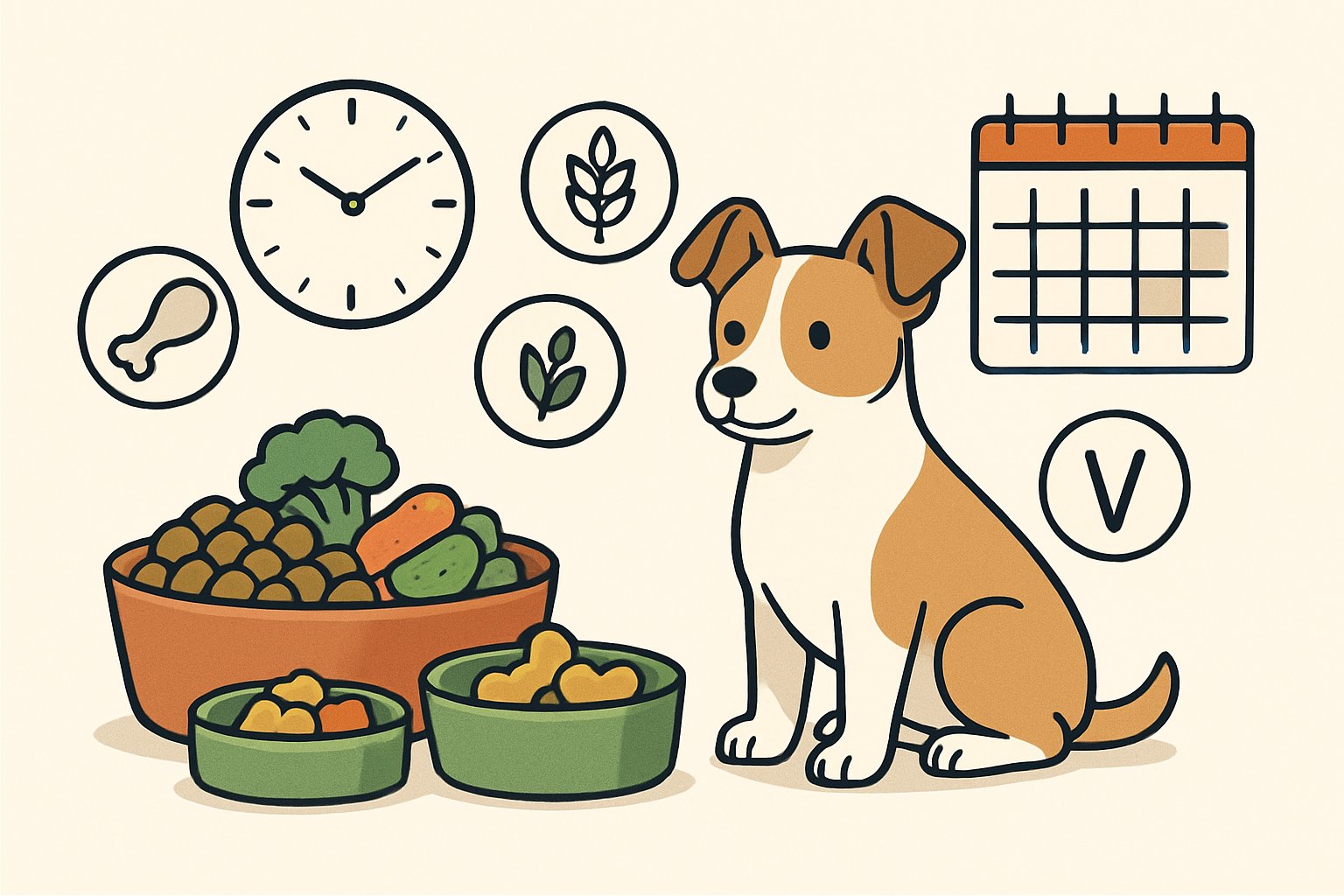
Getting the right amount of food into your small dog’s bowl matters just as much as when you feed.
I’ve learned that the bowl size you use and the treats you offer can make or break your feeding plan.
Portion Control Tips for Small Dogs
Small dogs really need less food than you’d guess. A Chihuahua or Yorkie might only need ¼ to ½ cup of kibble a day, split up across meals.
Here’s what I do to keep portions on track:
- Use a measuring cup or scoop — people who measure treats tend to monitor intake better
- Weigh your dog monthly so you catch weight changes early
- Check the food bag for feeding charts based on ideal weight, not just current weight
- Adjust for activity level — a couch potato needs fewer calories than a hiker
I found out that bowl and scoop size really changes how much you serve. If your scoop is too big, you’ll overfeed without even noticing. Try using smaller tools made for tiny breeds.
Selecting the Best Food by Age and Health Needs
Your dog’s food should fit their life stage. Puppies burn through energy and need nutrient-dense kibble.
Senior dogs usually need fewer calories, but more joint support.
By age:
- Puppies (0-12 months): High-protein, small-bite kibble for growth
- Adults (1-7 years): Balanced maintenance formulas
- Seniors (7+ years): Lower-calorie options with added supplements
If your dog has health issues like allergies or sensitive digestion, talk to your vet before switching foods. Some small breeds do better on limited-ingredient diets.
Quality matters a lot more than flashy branding. Look for whole protein as the first ingredient, not fillers or by-products.
Smart Treats and Snack Limits
Let’s be honest — treats are part of the fun. But treats can make up 15% or more of your dog’s diet, which adds up fast for a 10-pound pup.
I follow the 10% rule: treats shouldn’t go over 10% of daily calories. For a small dog eating 300 calories a day, that’s just 30 treat calories.
My go-to snack strategies:
- Break treats into tiny pieces — your dog cares about how often, not how big
- Use single-ingredient treats like freeze-dried chicken or sweet potato
- Skip table scraps — feeding human food weekly doubles the odds of owners seeing their dog as overweight
If you’re training, use kibble from their meal allowance instead of high-calorie biscuits. It keeps your dog’s feeding routine balanced, and you don’t have to skip rewards.
Troubleshooting and Fine-Tuning the Schedule
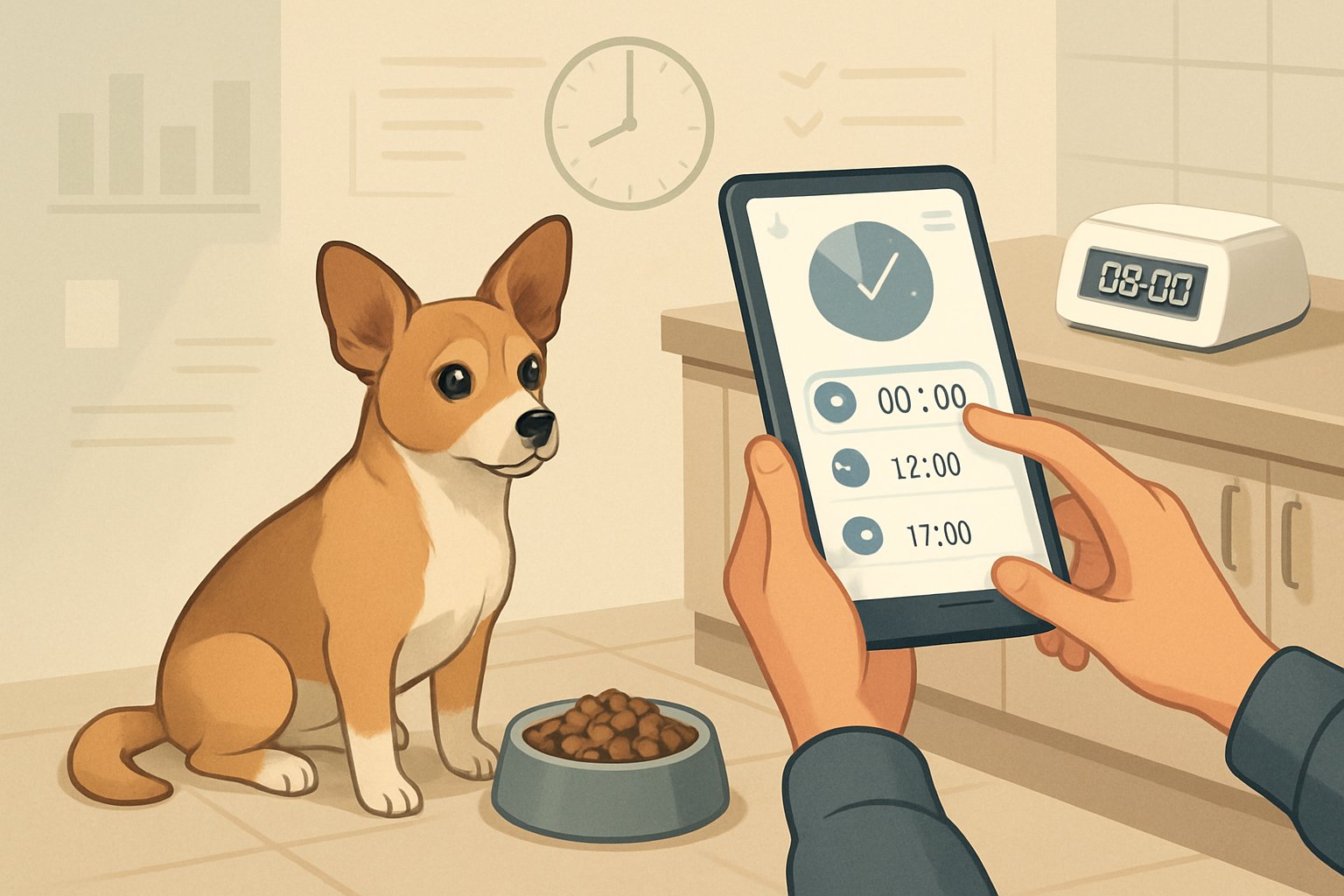
Even the best small dog feeding schedule needs tweaks now and then. Your pup’s needs shift with age, activity, and health, so learning to spot the signs and making safe changes keeps mealtime working for everyone.
Signs You Need to Adjust Your Dog’s Schedule
Dogs are pretty good at letting us know when their feeding routine isn’t right. You just have to notice the clues.
Watch for these red flags:
- Your dog begs between meals or acts hungry right after eating
- Food sits untouched in the bowl for hours
- You spot weight gain or loss over a few weeks
- Your pup vomits bile in the morning (often means meals are too far apart)
- Energy drops or your dog seems sluggish after meals
Small breeds have fast metabolisms. If your Chihuahua or Yorkie whines two hours after breakfast, try splitting their portions differently through the day.
I weigh my dog every two weeks. A half-pound change matters so much more on a 10-pound dog than a Lab. I keep a note on my phone for tracking.
Behavior changes count too. If your pup suddenly guards their bowl or races to eat like they’re starving, the current feeding schedule probably isn’t working.
Safely Transitioning to a New Food or Routine
Changing your dog’s feeding schedule or food takes patience. I learned this the hard way when I moved my terrier’s dinner time and ended up with an upset stomach for days.
Follow this timeline for food changes:
- Days 1-3: Mix 25% new food with 75% old food
- Days 4-6: Go 50/50 with both foods
- Days 7-9: Use 75% new food, 25% old food
- Day 10: Switch fully to new food
For timing changes, shift meals by 15-30 minutes every few days. Moving dinner from 6 PM to 8 PM? Try 6:15 for a few days, then 6:30, and keep inching later.
Keep an eye on your dog’s stool during transitions. Loose stools mean you’re going too fast. Automatic feeders with Arduino and servo motors can help keep timing consistent.
Always keep fresh water available during any transition period.
Special Diets and Unique Health Needs
Health conditions can totally change how you feed your dog. I’ve worked with small dogs who needed custom schedules for diabetes, allergies, and digestive issues.
Common situations needing special attention:
- Diabetes: Meals timed with insulin shots (usually every 12 hours)
- Pancreatitis: Multiple small meals during the day to reduce pancreas stress
- Food allergies: May need novel proteins and strict portion control
- Senior dogs: Often do better with 3-4 smaller meals as their digestion slows
Talk to your vet before making big changes. They might suggest prescription foods or specific feeding windows to match medications.
Small dogs with dental problems might need softened kibble or wet food. I soak dry food in warm water for 10 minutes when my dog needs it.
Hip and mobility issues can affect when and how your dog eats. Some vet teams create custom plans for each pet’s needs.
Keep a feeding journal if you’re managing health problems. Jot down meal times, amounts, symptoms, and energy. Your vet can use this info to tweak the plan.
Frequently Asked Questions
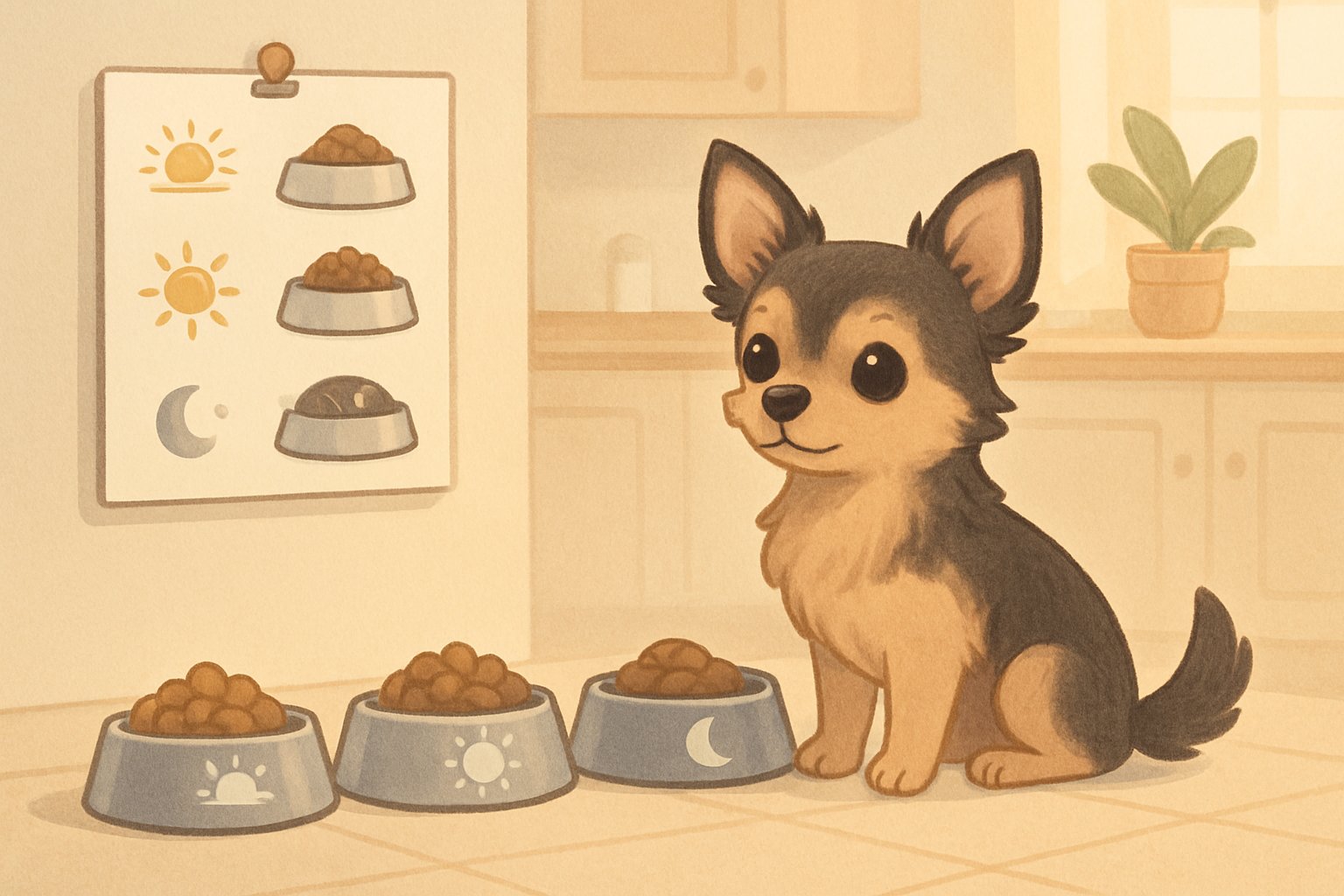
Small dog feeding schedules are more than just filling a bowl. Meal frequency changes with age, portion sizes depend on weight, and timing affects digestion and behavior.
How often do those little paws need a refill? Understanding your pint-sized buddy’s meal frequency is key.
I feed my small dog twice a day. Most vets say this is best for adult dogs under 20 pounds.
Puppies need more frequent meals. I give young pups three to four meals daily since their tiny stomachs can’t hold much, and their fast metabolism burns calories quickly.
Adult small dogs do best with two meals spaced 8 to 12 hours apart. This keeps their energy steady and helps prevent low blood sugar, which small breeds are prone to.
Senior dogs usually stick with twice-daily feeding. Some older pups with health issues might need smaller, more frequent meals if the vet suggests it.
There’s research saying dogs fed once daily had better health outcomes in some studies, but I wouldn’t risk that with small breeds. Their high metabolism makes skipping meals a bad idea.
Ever wondered what’s the scoop on portion sizes for your pocket-sized pal? Here’s how much your dog should eat based on weight.
Small dog portion sizes depend on weight, activity, and the food’s calorie content.
A 5-pound Chihuahua usually needs about 200 calories daily. A 15-pound terrier might need 400 to 500 calories.
I always check the feeding guide on the food bag. Most brands give charts with recommended portions by weight, but these are just starting points.
Here’s what I look at for portions:
Active dogs need 10% to 20% more food
Indoor couch potatoes need less
Senior dogs usually need fewer calories
Spayed or neutered dogs may need portion changes
I measure food with a kitchen scale or measuring cup. Eyeballing it leads to overfeeding, which happens fast with small dogs.
If you can feel your pup’s ribs easily but not see them, you’re on track. If you can’t feel them at all, cut portions by 10% and check again in two weeks
Morning or evening? If you’ve ever scratched your head on when to put down the bowl, let’s chat about the best times for feeding your furry friend.
I feed my small dog at 7 AM and 6 PM, and that schedule works great for most tiny breeds.
Morning meals should happen within an hour of waking up. This gives your pup energy for the day and helps prevent nausea from an empty stomach.
Evening meals work best 2 to 3 hours before bedtime. This timing helps with digestion and a bathroom break before sleep.
Try to space meals 10 to 12 hours apart. Consistent timing helps regulate your dog’s digestion and cuts down on begging.
I tweak feeding times based on my own schedule, but I keep them as consistent as possible. Dogs love routine, and their bodies get used to regular meal times.
If you work long hours, a timed feeder can help. Just don’t use this as an excuse to skip the twice-daily meals small dogs really need.
Puppies to seniors – their tummies need different things. Curious about a feeding guide tailored to your dog’s stage of life?
I’ve changed how I feed my small dog as she’s gotten older. Every stage of life comes with its own quirks and needs.
Puppies (8 weeks to 6 months): I feed three or four times a day with puppy food. Puppies really need that extra protein and fat for all their growing.
Skipping meals with a puppy? I just don’t do it.
Young adults (6 months to 1 year): Around 6 months, I move to twice-daily feeding. Most small breeds handle this well, but a few toy breeds may still need that third meal a little longer.
Adults (1 to 7 years): Two meals a day of adult maintenance food usually works best. I keep an eye on her weight and change portions if her activity changes.
Seniors (7+ years): I stick with two meals, but around age 7, I might swap to a senior formula. If my dog’s slowing down, I’ll cut back on portions a bit.
Pregnant or nursing dogs? They need their own schedule—usually free-choice feeding or three to four smaller meals daily.
Seeking the secret for crafting the perfect doggie diet timetable? Here’s how you can create a routine that keeps those tails wagging.
Setting up a feeding schedule for a small dog really starts with your own routine. And your pup’s needs, of course.
I pick two times when I know I’ll be home—usually 7 AM and 6 PM for me. I write these down and try to stick within a half-hour window every day.
My schedule creation process:
Pick feeding times that fit your wake-up and work schedule.
Plan bathroom breaks about 15 to 30 minutes after each meal.
Walk or play with your dog an hour after eating to help prevent bloat.
Measure out portions ahead of time and keep them ready in containers.
I leave food out for 15 to 20 minutes, tops. If my dog doesn’t eat, I just pick it up and wait until the next meal. It really does help teach them to eat on schedule.
I try not to feed right before car rides or wild playtime. Small dogs can get queasy if they eat and move too soon.
Once a month, I check her weight. If she starts gaining or losing for no clear reason, I’ll adjust her portions by about 10% and see how it goes.
Is knocking dinner time a couple of hours off schedule really a big deal for your furball? The answer might surprise you.
Missing your usual feeding time by two hours won’t harm your small dog occasionally. Still, it’s not ideal.
Small breeds have faster metabolisms than large dogs. They burn through food quickly and can get low blood sugar if meals are too late.
I’ve noticed my dog gets anxious and restless when dinner’s late. Some small dogs even vomit yellow bile if their stomachs stay empty.
Others start scavenging for food or chewing on things they shouldn’t. It’s honestly a bit stressful for everyone.
What happens with inconsistent feeding:
Blood sugar swings can zap their energy
Digestive upset becomes more common
Begging and food-obsessed behavior ramps up
House training accidents might pop up
If you have to feed late once in a while, try offering a small healthy snack at the usual time. A few bits of kibble or a little treat can really help tide them over.
Chronic schedule changes stress small dogs out. Their bodies expect food at certain times, so messing with this can throw everything off.


Leave a Reply
You must be logged in to post a comment.