

Table of Contents
You want the best for your furry friend. That means thinking carefully about what goes into their bowl every day.
Organic pet food uses ingredients grown without pesticides, synthetic fertilizers, or GMOs. Meat sources must come from animals raised without antibiotics or growth hormones.
I’ve spent hours reviewing top organic dog food brands to help you make the right choice for your pup’s health.
The tricky part? Not all organic pet foods are created equal.
Some brands offer fully certified USDA organic formulas with at least 95% organic ingredients. Others only include partial organic components.
I’ll walk you through the different types of organic dog food, from dry kibble to freeze-dried raw options. That way, you can find what works for your dog’s unique needs and your budget.
My goal is to cut through the marketing hype and give you honest insights into organic and natural dog foods that won’t break the bank. You’ll see which brands deliver results, what pet parents are saying, and whether the higher price tag is truly worth it for your four-legged companion.
Organic Pet Food Reviews – Key Takeaways
- Certified organic dog foods must contain at least 95% organic ingredients and display the USDA Organic seal
- Organic pet food typically costs 23-40% more than conventional options due to higher farming and production costs
- Real buyer reviews show organic diets can improve energy levels, reduce allergies, and support better digestion in dogs
What Sets Organic Pet Food Apart?
Organic pet food uses ingredients grown without synthetic pesticides or fertilizers. The difference goes beyond just what’s on the label.
The real distinctions? They lie in how ingredients get sourced, what certifications actually guarantee, and whether those details matter for your dog’s bowl.
How Organic Ingredients Are Chosen
When I look at how organic ingredients make it into pet food, the selection process starts at the farm level. Organic crops get grown without synthetic pesticides, herbicides, or fertilizers.
The farmers raising livestock for certified organic meats must follow strict rules about what animals eat and how they live.
Non-GMO ingredients play a big role too. Organic standards don’t allow genetically modified organisms, so the corn, soy, or other grains in the bag came from non-engineered seeds.
Here’s what matters during ingredient selection:
- Feed quality: Animals raised for organic meat eat organic feed
- No antibiotics or growth hormones: Livestock can’t receive routine antibiotics
- Land requirements: Crops need soil that’s been chemical-free for at least three years
- Animal welfare: Livestock must have access to outdoor spaces
The catch? These requirements cost more. Growing food without synthetic help means lower yields and more labor.
That’s why organic dog food typically runs 20-50% higher than conventional options.
Certified Organic Dog Food: Label Decoding
Not all “organic” claims mean the same thing. I’ve learned that USDA organic certification follows a sliding scale based on ingredient percentages.
USDA certified organic labels break down into three categories:
| Label Type | Organic Content | What It Means |
|---|---|---|
| 100% Organic | 100% organic ingredients | Every ingredient meets organic standards |
| Organic | 95%+ organic ingredients | At least 95% organic; remaining 5% from approved list |
| Made With Organic | 70%+ organic ingredients | Can’t display USDA seal; must specify which ingredients |
If a bag says “made with organic chicken,” check the percentage. Products below 70% organic content can’t even use the word “organic” on the main label.
The USDA Organic seal is what I look for. It’s a green and white circle that guarantees third-party inspection and certification.
Organic dog food brands that display this seal got audited by accredited certifiers who checked everything from ingredient sourcing to processing methods.
Watch out for terms like “natural” or “holistic.” These aren’t regulated the same way and don’t guarantee organic standards.
Conventional vs. Organic: What Really Matters?
When I compare my options, the nutritional differences between organic and conventional pet food are smaller than you’d think. Research shows limited nutritional differences between the two, though organic options may contain higher levels of antioxidants and omega-3 fatty acids.
The bigger gap shows up in what’s not in the food. Studies found conventional crops are four times more likely to contain pesticide residues than organic ones.
Some pet foods contain glyphosate (a common herbicide) at levels that could expose pets 4-12 times more than humans experience per kilogram of body weight.
Here’s what actually differs:
- Pesticide exposure: Organic ingredients carry fewer chemical residues
- Herbicide content: Conventional options may contain glyphosate traces
- Synthetic additives: Organic pet food typically includes fewer synthetic preservatives
- Protein quality: Often uses higher-grade meat sources
The organic dog food cost reflects these production differences. You’re paying for cleaner growing methods and stricter oversight, not necessarily better nutrition.
Does this matter for your dog? If you worry about long-term chemical exposure, organic makes sense.
If budget’s tight, feeding some organic ingredients beats none at all. You don’t have to go all-in to reduce your pet’s exposure to agricultural chemicals.
Top Organic Dog Food Brands to Watch
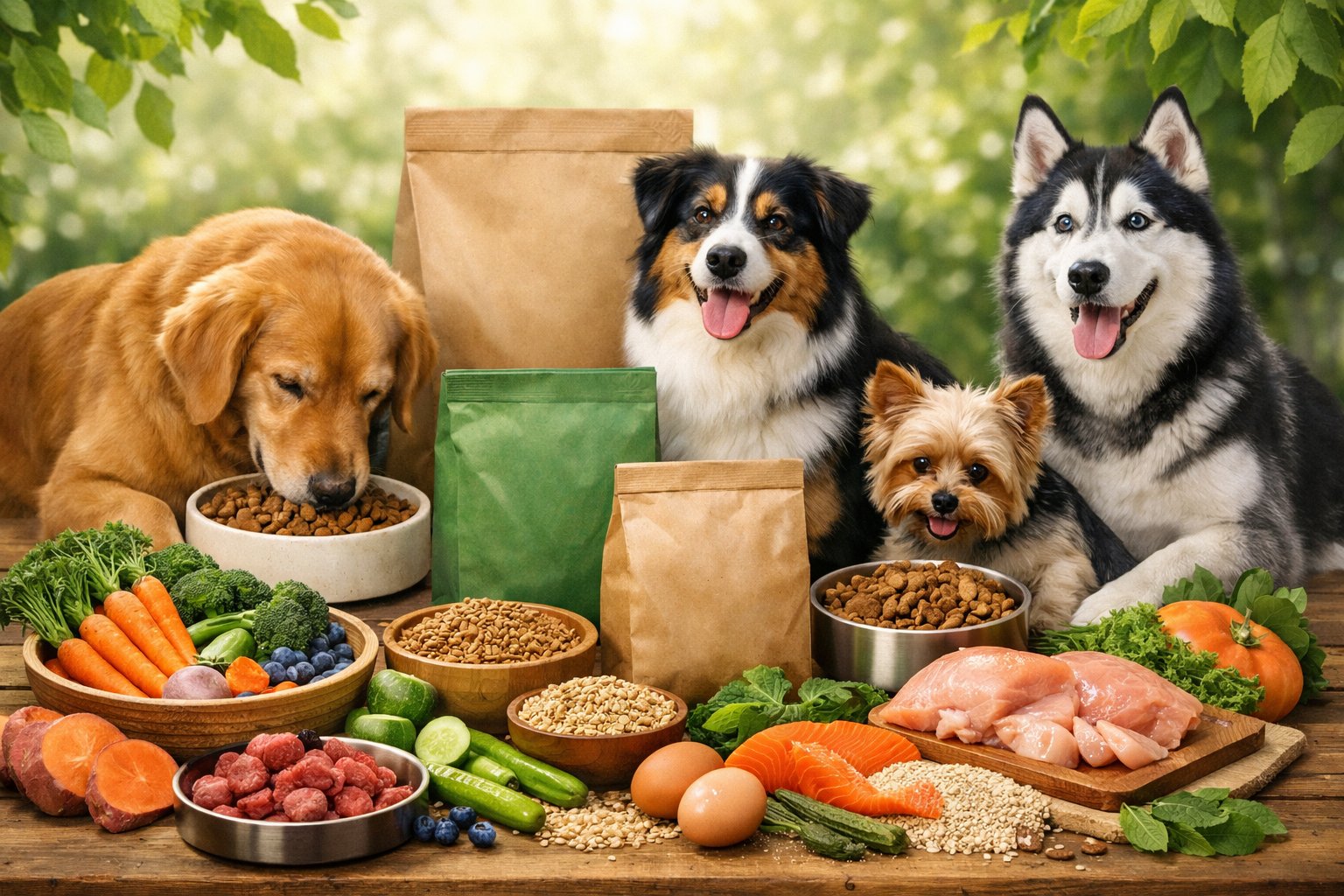
Several organic dog food brands have earned strong reputations through transparent sourcing and quality ingredients. From dehydrated formulas to USDA-certified options, these companies lead the way in clean, organic nutrition.
The Honest Kitchen: Real Food, Real Results
I’ve seen The Honest Kitchen transform how pet parents think about dog food. Their dehydrated formulas use human-grade ingredients processed in facilities that meet FDA standards for human food production.
What makes them stand out? Every ingredient is non-GMO and free from chemicals or preservatives.
Their Whole Grain Chicken Recipe contains organic oats, carrots, and bananas. It’s one of the best organic options for puppies, in my opinion.
The dehydration process preserves nutrients better than traditional kibble. You just add water, and the food rehydrates into a fresh meal.
It’s perfect for picky eaters who turn their noses up at regular kibble. Their meat comes from hormone-free and antibiotic-free sources.
I love that they list every ingredient clearly on their packaging. No mystery proteins or vague “natural flavors” here.
Tender & True: Commitment to Transparency
Tender & True stands out as one of the few USDA-certified organic brands available today. Finding this seal on dog food is rare, which makes their commitment impressive.
Their Tender & True Organic Chicken & Liver Recipe features humanely raised organic chicken as the first ingredient. The grain-free formula works well for dogs with allergies since it avoids common triggers like corn, wheat, and soy.
I appreciate their transparency about sourcing. Every bag shows exactly where ingredients come from.
No GMOs, no artificial preservatives, and no mystery meats. They offer both wet and dry formulas.
The canned varieties come in a smooth pate that even senior dogs can eat easily. One owner reported her dog’s eczema disappeared after switching to their organic chicken formula.
The protein content sits at 29% for dry food and 39% for wet varieties. That’s solid nutrition without fillers or by-products.
Castor & Pollux Organix: Proven Trust
Castor & Pollux Organix has built trust over years of consistent quality. They were one of the first mainstream brands to go organic, and they’ve maintained high standards ever since.
Their recipes use free-range chicken and cage-free poultry. The company doesn’t cut corners on meat quality.
I’ve noticed their formulas include organic superfoods like flaxseed and coconut oil for healthy skin and coat. They offer options for every life stage.
Puppies, adults, and seniors all have tailored formulas. Their grain-free lines help dogs with sensitivities while grain-inclusive options provide fiber for digestive health.
What impressed me most? Their price point makes organic feeding accessible.
You don’t need a huge budget to feed your dog quality ingredients. Many pet stores carry their products, so you won’t struggle to find them.
Open Farm & Purina Beyond: New Leaders on the Block
Open Farm brings fresh thinking to organic dog food. Their Ancient Grains formula combines humanely raised meat with wholesome grains like oats and quinoa.
They practice radical transparency. Every bag has a traceability code you can enter online to see exactly where each ingredient came from.
That’s next-level accountability. Purina Beyond offers USDA Organic Seal-certified wet food at competitive prices.
Their recipes feature organic chicken without synthetic pesticides. It’s a solid choice if you want a trusted name behind your organic food.
Both brands focus on sustainable farming practices. Open Farm sources from farms that prioritize animal welfare and environmental health.
Purina Beyond makes organic feeding simple with widely available products at major retailers.
Types of Organic Dog Food Reviewed: Dry, Wet, Freeze-Dried & More
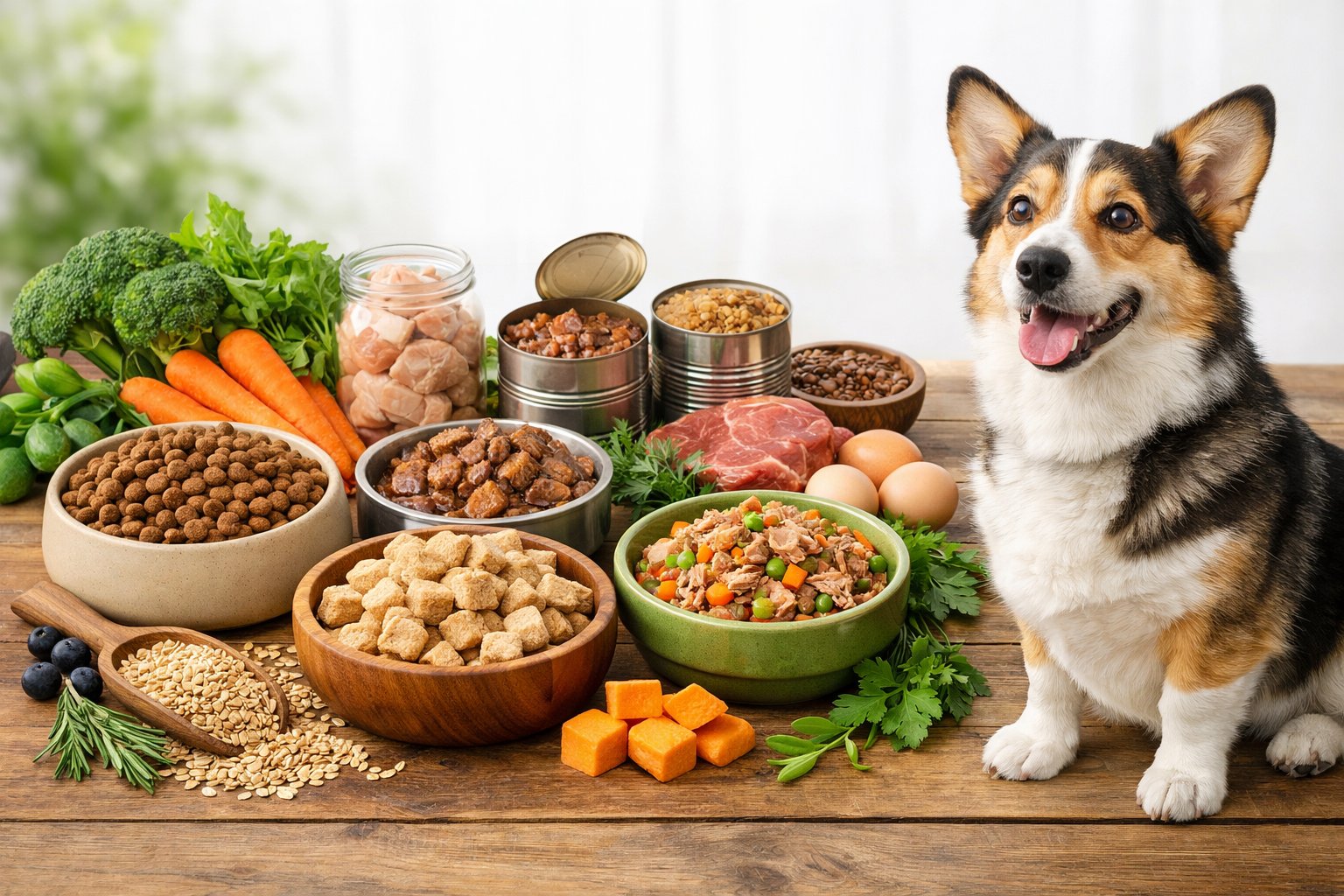
I’ve tested everything from crunchy kibble to freeze-dried patties. The texture matters more than you think.
Each format affects how your dog digests nutrients. Choosing between organic dry dog food and organic wet dog food isn’t just about convenience—it’s about what works for your pup’s stomach and lifestyle.
Dry Dog Food vs. Wet Dog Food: Which Wins?
Honestly, dry dog food wins on price and shelf life. Wet dog food takes the lead for hydration and taste.
Most organic dry dog food I tried lands in the 25-35% protein range. They usually contain organic free-run chicken, organic peas, and organic barley.
The crunch actually helps scrape plaque off teeth. That was a surprise benefit when I switched my dog to organic kibble.
Organic wet dog food usually packs 35-40% protein, measured dry. I kept seeing recipes with organic chicken broth, organic chicken liver, and organic sweet potatoes in top-rated cans.
My dog devoured those instantly. Wet food adds moisture—a lifesaver if your dog doesn’t drink much water.
But it spoils quickly after opening. And yeah, your wallet will notice.
I started mixing both: dry as the main meal, wet as a topper. That combo kept costs manageable and my dog interested.
The Rise of Dehydrated & Air-Dried Meals
Dehydrated dog food and air-dried dog food have exploded lately. After trying a few brands, I totally get the hype.
These formats remove moisture at low temps, so more nutrients stick around compared to regular kibble. I just add warm water—it becomes a stew in two minutes, and even my picky eater can’t resist.
Freeze-dried dog food goes a step further, locking in raw nutrition without refrigeration. I tried freeze-dried patties made with organic meat and organic fruits and vegetables.
The ingredient lists were short—no weird fillers or powders. That’s a relief.
The downside? Price. These premium options cost 40-70% more than regular organic dry dog food.
But you feed less since it’s so nutrient-dense. I did the math, and the cost-per-meal wasn’t as scary as the sticker shock.
Air-dried meals are kind of in between kibble and freeze-dried. They’re shelf-stable but softer, and my senior dog with dental issues managed them just fine.
Grain-Free Organic Recipes: Fad or Fix?
Let’s be real: grain-free dog food isn’t a must for most dogs. But for some, it truly helps.
I tested a bunch of grain-free organic dog food recipes. They swap out organic barley and grains for organic peas, lentils, and chickpeas.
That means higher protein—usually 30-44%—and fewer carbs. Here’s what I found with grain-free dry dog food:
- Great for dogs with grain sensitivities
- More organic meat as the main protein
- Usually has organic flaxseed for omega fatty acids
- Costs about 15-25% more than grain-inclusive
My dog doesn’t have grain allergies, so I didn’t notice big changes with grain-free recipes. But if your pup scratches a lot or has tummy issues after eating grains, it’s worth a try.
The FDA started looking into a possible link between grain-free diets and heart issues back in 2018. Most experts now say: if you go grain-free, pick recipes with organic chicken, legumes, and added taurine. I always double-check those.
Ingredient Spotlights: From Chicken to Flaxseed and Beyond
I obsess over ingredient panels now. You should too. The first five ingredients tell you almost everything.
Organic chicken topped the list in nearly every high-rated food I checked. I like whole chicken better than chicken meal, but both get the job done for protein.
Organic chicken liver showed up a lot as the second or third ingredient. Dogs seem to go nuts for it, and it’s packed with nutrients.
Organic sweet potatoes bring digestible carbs and fiber. I saw them in both dry and wet foods, often paired with organic peas for a protein and texture boost.
Organic flaxseed is the go-to for omega fatty acids. I noticed my dog’s coat got shinier after about six weeks on a flaxseed-rich organic diet.
Other key organic ingredients I look for:
- Organic chicken broth in wet foods for extra moisture and flavor
- Organic fruits and vegetables for antioxidants and vitamins
- Organic barley for gentle fiber
I skip foods where corn, wheat, or soy are in the top five. Those just dilute the nutrition you’re paying for with organic.
Are the Benefits Worth It? Real World Results & Buyer Stories
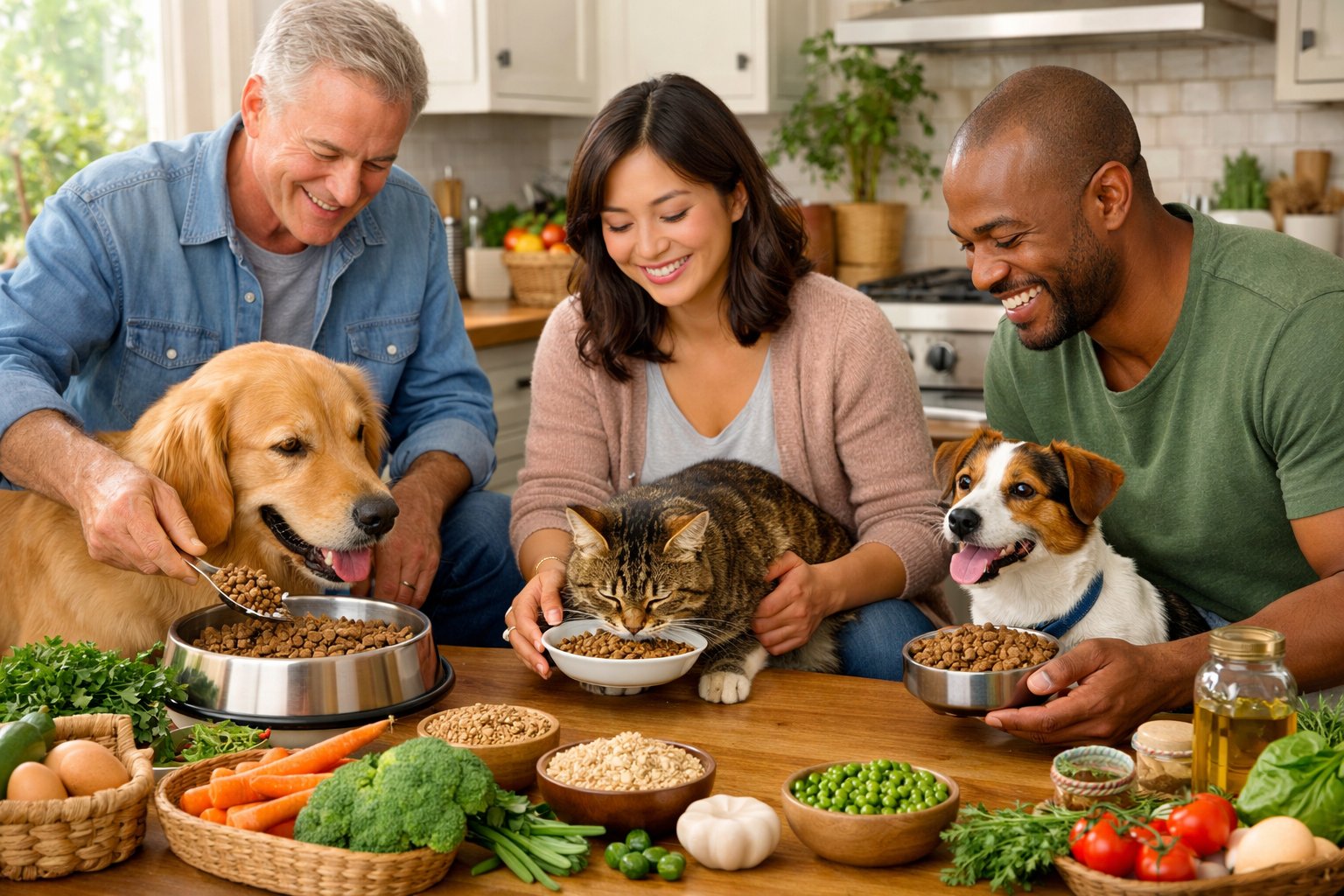
Whenever I chat with pet parents who switched, I hear three things: better digestion, a lighter wallet, and regret over not knowing how to transition properly sooner.
Digestion, Allergies & Healthier Skin: Do Claims Match Experience?
I’ve read so many reviews where pet parents say nutrition improved and allergies dropped after switching to organic. The pattern’s real.
Dogs with chronic ear infections, itchy paws, or runny poop often get better in 2-4 weeks. Why? Better ingredients and digestibility lower inflammation and triggers.
One buyer told me she switched her Frenchie to organic after endless antibiotics for skin infections. Six weeks later, the hot spots vanished. She credits ditching synthetic pesticides and additives.
Common improvements I’ve seen:
- Less gas and firmer stools
- Shinier coat after a month or so
- Less scratching and paw licking
- More energy and a better appetite
Not every dog transforms overnight. But if your dog’s sensitive, organic dog food can make a big difference.
The Cost Question: Is Organic Actually Worth the Price?
Let’s face it—organic costs more. Expect to pay 30-60% higher prices than for regular kibble.
But honestly, good conventional pet food can still offer solid nutrition. It doesn’t need to be organic to be good.
Organic dog food makes sense if your dog has allergies, tummy problems, or you want to avoid pesticides long-term. If your dog is thriving on a quality conventional food? No need to switch just for the label.
When organic is worth it:
- Your dog has chronic skin or stomach issues
- You want to avoid hormones and pesticides
- You can pay for it without stress
When it’s probably not needed:
- Your dog is healthy on regular food
- Money’s tight and vet care matters more
I know plenty of pet parents who use natural food that’s not certified organic. Their dogs are doing great. The main thing is meeting your dog’s needs, not chasing trends.
How to Transition Safely to Organic Dog Food
Switch too fast and you’ll wreck your dog’s stomach. I learned the hard way—three days of diarrhea from a sudden switch.
Here’s the gradual method I use:
Days 1-3: 25% new organic, 75% old food
Days 4-6: Half and half
Days 7-9: 75% organic, 25% old
Day 10+: All organic
Keep an eye on your dog’s poop. If it gets loose, slow down the transition a bit.
Some sensitive dogs need probiotics during the switch. Look for foods with prebiotics or add a supplement your vet recommends.
Always keep fresh water out. Better ingredients mean better absorption, so your dog might drink a little more.
If you’re reading dog food reviews, focus on brands with whole proteins first and no corn gluten meal or cheap fillers. The “organic” label matters, but the ingredient list matters more.
Frequently Asked Questions
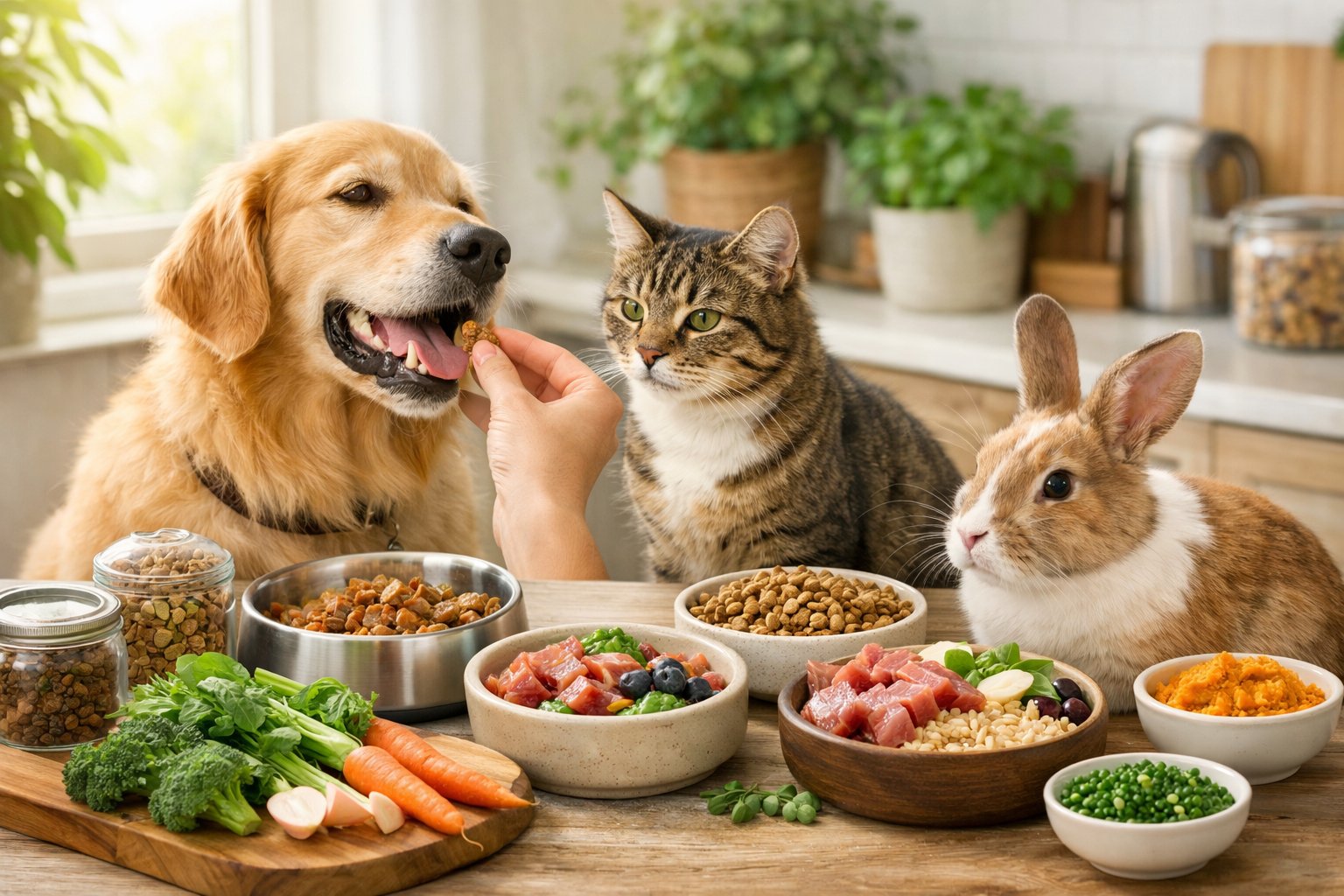
Organic pet food reviews always spark questions from pet parents who want the best for their pups. Whether you’re wondering what makes food truly organic or which brands actually deliver, here’s what I’ve found out along the way.
Ever wondered what’s actually in your furry friend’s bowl? How does organic dog food differ from the regular chow?
I’ve spent way too much time reading labels. Here’s the gist: organic dog food uses ingredients grown without pesticides, synthetic fertilizers, or GMOs.
The animals used for meat can’t get antibiotics or growth hormones. That’s a big deal when you think about what your dog eats every single day.
Regular food doesn’t follow those rules. Typical kibble might have ingredients treated with pesticides or meat from animals raised on hormones.
The USDA sets the rules for “organic.” If a food has at least 95% organic ingredients, it gets the “USDA Organic” seal on the bag.
Some foods say “Made with Organic Ingredients,” which means at least 70% is organic. The rest still has to follow strict guidelines—no GMOs allowed.
Let’s cut to the chase — what are pet parents saying about the latest organic dog food brands this year?
I’ve been digging through organic pet food reviews from real dog owners. The feedback is surprisingly consistent across the top brands.
Tender & True shows up again and again in positive reviews. One owner said their dogs are “beyond stoked” with the organic chicken and liver recipe.
Another parent noticed her dog’s eczema cleared up completely after switching to pesticide-free food. That’s the kind of real-world result that makes me pay attention.
Gather Free Acres gets love from cocker spaniel owners who appreciate the organic, non-GMO ingredients. Parents like that it uses free-run chicken as the only meat protein, which works great for sensitive stomachs.
Stella & Chewy’s venison blend has fans among picky eaters. One pittie parent with a dog allergic to basically everything found success with this freeze-dried option.
Dogs actually eat these foods, and parents notice improvements in energy, coat quality, and digestive health within weeks. That’s a pattern I can’t ignore.
Got a minute to see which organic dog foods are topping the charts right now without those pesky fillers?
Let me walk you through what’s ranking highest in 2025’s best organic dog foods based on actual performance and ingredient quality.
For wet food, Tender & True Organic Chicken & Liver leads the pack. It’s 100% organic with 39% protein and contains zero grain, GMOs, corn, wheat, or soy.
Gather Free Acres takes the crown for dogs with sensitive stomachs. It’s grain-free with organic free-run chicken as the first ingredient and 33% protein content.
If you’ve got a puppy, The Honest Kitchen Whole Grain Chicken Recipe uses human-grade ingredients processed in facilities that meet human food standards. Every component is non-GMO and free of chemicals or preservatives.
Stella & Chewy’s Venison Blend works magic with picky eaters. It packs 44.2% protein with grass-fed venison and lamb, plus organic fruits and vegetables.
Wysong Organic Adult Chicken wins the budget-friendly category without sacrificing quality. It’s veterinarian-created and made in the USA with organic chicken as the first ingredient.
Think all dry dog foods are created equal? Guess again. What should you look for in high-quality organic dry dog food ingredients?
I always start by checking what’s listed first on the ingredient panel. High-quality organic dry food should have organic meat or meat meal as the very first ingredient.
Look for specific proteins like “organic chicken” or “organic dehydrated chicken” rather than vague terms like “meat meal” or “poultry.” The more specific, the better.
Protein content matters big time. Top-rated organic dry foods usually have 27-33% protein on a dry matter basis. That gives your dog the amino acids they need.
Watch out for the carb sources. Quality organic foods use ingredients like organic peas, lentils, or chickpeas instead of cheap fillers like corn or wheat.
The fat source should be clearly identified, too. I always prefer seeing “chicken fat” or “organic sunflower oil” rather than generic “animal fat.”
Check for organic certification. Foods with the USDA Organic seal must contain at least 95% organic ingredients, which is your guarantee of quality standards.
You know that happy dance your pooch does at mealtime? What organic dog food options are there to keep that tail wagging?
I’ve found that organic food comes in way more varieties than most pet parents realize. Let’s break down your options based on what gets tails wagging.
Wet organic food works great for dogs who need extra moisture or prefer softer textures. Tender & True’s pate-style recipes create excitement at mealtime with their smooth consistency and real meat chunks.
Freeze-dried raw options like Stella & Chewy’s give you the benefits of raw feeding without the mess. You can serve them dry as crunchy patties or rehydrate them for a softer meal.
Dehydrated formulas from The Honest Kitchen need water added back in. Dogs love the fresh smell when you mix it, and you can adjust the texture from soup to stew.
Traditional dry kibble remains the most convenient option. Gather Free Acres and Tender & True both make grain-free organic kibble that dogs actually finish.
Some dogs go crazy for variety, so I rotate between wet and dry. Others do best sticking with one format that agrees with their digestion.
Shopping for your dog’s next feast? Have you considered how organic dog foods stack up against each other in taste tests?
I’ve noticed something interesting when comparing organic dog food brands side by side. Dogs definitely have preferences based on protein source and texture.
Chicken-based formulas win more often than you’d expect.


Leave a Reply
You must be logged in to post a comment.