

Fiber in cat food might not sound thrilling, but it actually plays a bigger role in your cat’s health than most pet parents realize.
Fiber helps regulate digestion, control hairballs, manage weight, and even support cats dealing with constipation or diarrhea.
The catch? Not all fiber is created equal, and getting the balance wrong can cause problems instead of solving them.
Table of Contents
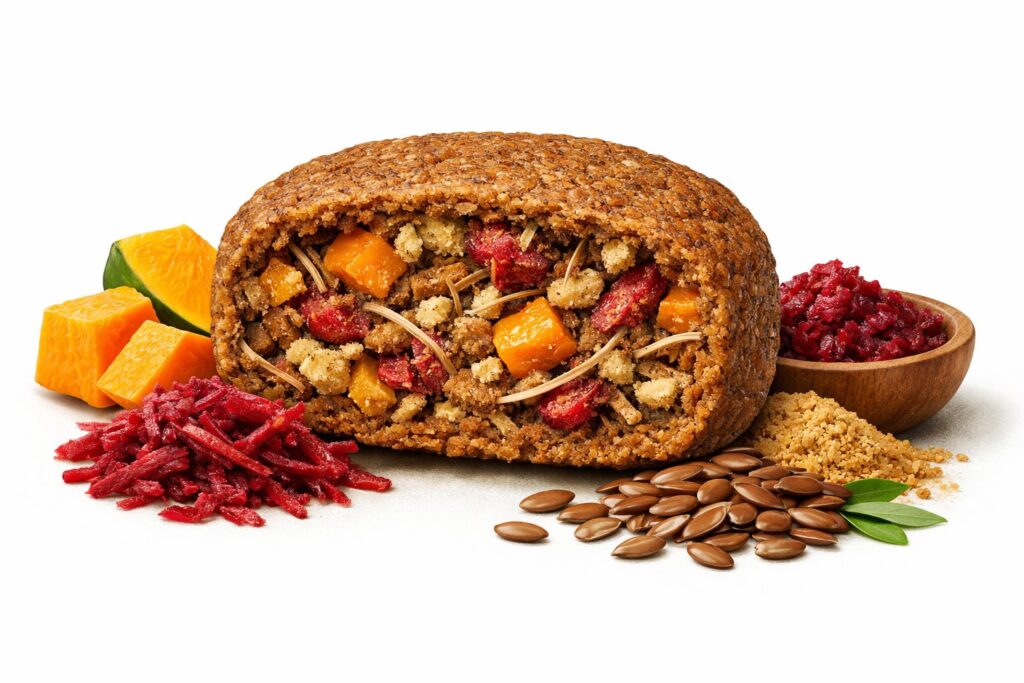
You’ve probably noticed “high-fiber” labels on cat food bags and wondered if your cat actually needs it.
Maybe your vet suggested fiber to help with your cat’s upset stomach or weight issues, but figuring out where to start can feel overwhelming.
Different fiber sources affect cats differently, and knowing which type works best can make a real difference in your cat’s comfort and health.
This guide breaks down what you actually need to know about fiber in cat food—no confusing jargon here.
You’ll find out why fiber matters, how to spot quality sources on ingredient labels, and how to safely adjust your cat’s diet if needed.
Whether you’re dealing with a specific health issue or just want to make smarter feeding choices, you’ll see how this simple nutrient can improve your cat’s daily life.
Key Takeaways
- Fiber helps cats with digestion, weight management, and hairball control when used in the right amounts
- Properties of different fiber types affect how they work in your cat’s body, so choosing the right source matters
- You can find quality fiber in commercial cat foods or add it safely at home with vet guidance
Why Fiber in Cat Food Matters More Than You Think
Fiber in cat food does more than just keep things moving.
It supports your cat’s gut bacteria, manages their weight, and can even help prevent common health issues.
Understanding what fiber actually does and which types work best can really change the way you pick your cat’s meals.
What Does Fiber Do in a Cat’s Diet?
You might think cats don’t need fiber since they’re carnivores, but that’s not the whole story.
Fiber plays a surprising number of roles in keeping your cat healthy.
First, fiber helps regulate your cat’s digestion by keeping food moving through their system at the right pace.
In the wild, cats eat prey—fur, feathers, and bones included—which all add natural fiber that supports gut function.
Beyond digestion, fiber supports the gut microbiota in your cat’s intestines.
Good bacteria ferment certain fibers, producing short-chain fatty acids that nourish colon cells.
Prebiotic fiber acts as food for those helpful bacteria living in your cat’s gut.
Fiber for cats also helps with weight management.
High-fiber cat food creates a feeling of fullness without adding lots of calories, which matters when you’re trying to help your chunky tabby slim down.
It even assists with hairball control—when your cat grooms herself, she swallows hair, and fiber helps move that hair through the digestive tract instead of letting it clump up and come back as a hairball on your carpet.
Types of Fiber: Soluble vs. Insoluble
Not all fiber in cat food works the same way.
The two main types—soluble and insoluble—do different jobs in your cat’s body.
Soluble fiber dissolves in water and forms a gel-like substance.
It slows digestion and helps control blood sugar levels.
Sources include:
- Beet pulp
- Psyllium
- Inulin (a prebiotic fiber)
- Guar gum
Insoluble fiber doesn’t dissolve.
It adds bulk to stool and speeds up movement through the intestines.
Common sources are:
- Cellulose
- Wheat bran
- Pea fiber
- Rice hulls
Both fiber types show up in commercial cat foods, and your cat needs a mix of both.
Soluble fiber feeds good bacteria, while insoluble fiber keeps things moving.
Cat food with fiber usually combines several sources to give your cat these benefits.
Fiber’s Role in Digestive Health
Your cat’s digestive system thrives when fiber does its job properly.
Research shows that the right fiber sources can benefit cats with specific health conditions.
If your cat struggles with constipation, insoluble fiber adds bulk and water to stool, making it easier to pass.
On the flip side, soluble fiber can help firm up loose stools by absorbing excess water.
For cats with diabetes, fiber slows down glucose absorption and helps prevent blood sugar spikes after meals.
Many veterinary diabetes diets include higher fiber for this reason.
Cats with chronic kidney disease sometimes need lower protein diets, and fiber becomes extra important because it helps beneficial gut bacteria process nitrogen waste that would otherwise burden the kidneys.
Prebiotic fiber deserves special attention.
Types like inulin and fructooligosaccharides feed specific good bacteria in your cat’s colon, and these bacteria produce helpful compounds that support colon health and may reduce inflammation.
The fiber content in your cat’s food directly affects their digestive comfort and overall wellness.
Too little fiber can mean constipation and poor gut health, but too much can cause gas, diarrhea, or reduced nutrient absorption.
Key Benefits of High-Fiber Cat Food
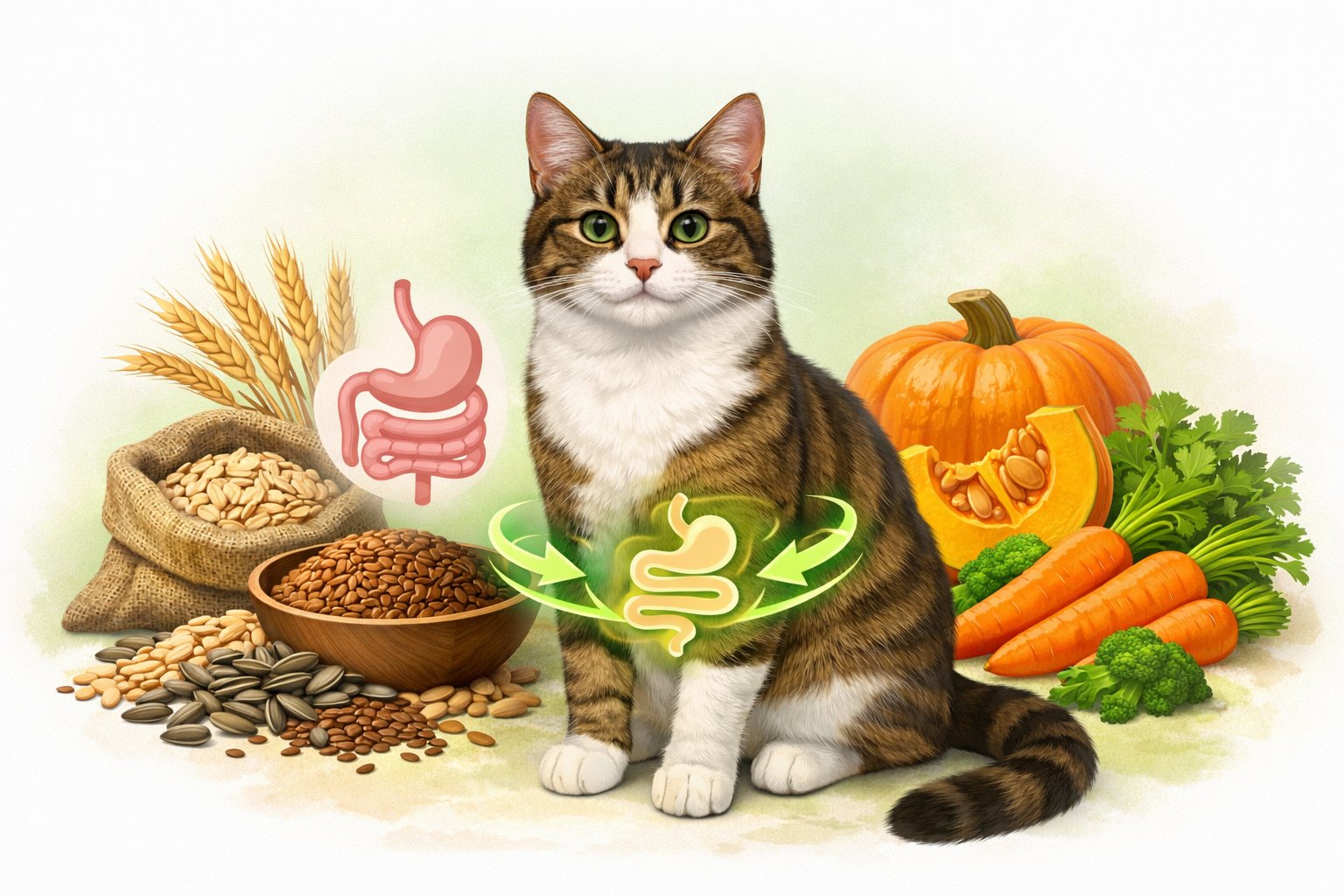
High-fiber cat food can help your feline friend feel better in multiple ways.
From keeping things moving smoothly in the digestive tract to helping your chubby tabby slim down, fiber works behind the scenes to support your cat’s health.
Managing Constipation (and That Dreaded Hairball Problem!)
Ever notice your cat straining in the litter box?
That’s constipation, and it’s not fun for anyone involved.
High-fiber cat food for constipation works by adding bulk to your cat’s stool and helping everything move through the digestive system more smoothly.
Think of fiber like a gentle broom that sweeps things along.
When your cat grooms herself, she swallows hair—lots of it.
That hair can clump up in her stomach and either come back up as a hairball or move through to cause blockages.
Fiber helps push that hair through the digestive tract before it becomes a problem.
Here’s what fiber does for hairballs:
- Binds to swallowed hair in the digestive tract
- Moves it through the intestines instead of letting it sit and clump
- Reduces the frequency of those 3 AM hairball surprises on your carpet
Indoor cat food often contains higher fiber levels because indoor cats groom more and exercise less.
If your cat is hacking up hairballs every week, switching to a high-fiber formula might give both of you some relief.
Taming Diarrhea and Unpredictable Stomachs
You know that panic when you hear your cat racing to the litter box?
Diarrhea is stressful for cats and messy for you.
Here’s where fiber gets interesting: it actually helps with both constipation and diarrhea.
Different types of fiber work in different ways.
Soluble fiber absorbs water and forms a gel-like substance in your cat’s gut, which helps firm up loose stools and slows digestion.
Insoluble fiber adds bulk and helps regulate bowel movements.
High-fiber cat food for diarrhea can be especially helpful if your cat has a sensitive stomach or inflammatory bowel issues.
Fiber aids in managing feline gastrointestinal disease by supporting healthy gut bacteria and promoting more consistent stool quality.
If your cat’s dealing with chronic tummy troubles, a vet-approved high-fiber diet might bring some much-needed consistency to your daily litter box routine.
Weight Control & Full-Bellied Felines
Let’s be real: too many of our cats are carrying extra weight.
And those pleading meows for more food? They’re hard to resist.
High-fiber food for cats helps with weight management because fiber fills your cat up without adding tons of calories.
It’s like having a satisfying salad before dinner.
Research shows that cats eating high-fiber diets tend to feel fuller longer.
Studies on weight loss in cats found that moderate-protein, high-fiber diets helped obese cats lose weight while maintaining their lean muscle mass.
Here’s why this matters for your cat:
- Fewer begging sessions because she actually feels satisfied
- Slower calorie absorption means steadier energy throughout the day
- Better portion control since fiber-rich foods are naturally less calorie-dense
If your vet’s been mentioning your cat’s weight at every checkup, switching to a high-fiber formula might help your chonky friend slim down without constant hunger complaints.
Regulating Blood Sugar & Diabetes Relief
If your cat has diabetes, you know how tough blood sugar management can get. Fiber actually plays a bigger role here than most folks expect.
High-fiber diets slow down how fast your cat’s body absorbs carbs. So instead of blood sugar spiking after a meal, it rises more gradually.
Research on low-carbohydrate, high-fiber diets for diabetic cats showed promising results. Some diabetic cats on these diets needed less insulin over time, and a few even went into remission.
- More stable blood glucose levels throughout the day
- Reduced insulin requirements in some cases
- Better long-term diabetes management
Your vet will need to monitor your cat if you’re switching diets, especially if she’s on insulin. For many diabetic cats, the right high-fiber, low-carbohydrate formula becomes a crucial part of keeping blood sugar under control.
How To Choose – And Safely Add – Fiber To Your Cat’s Bowl
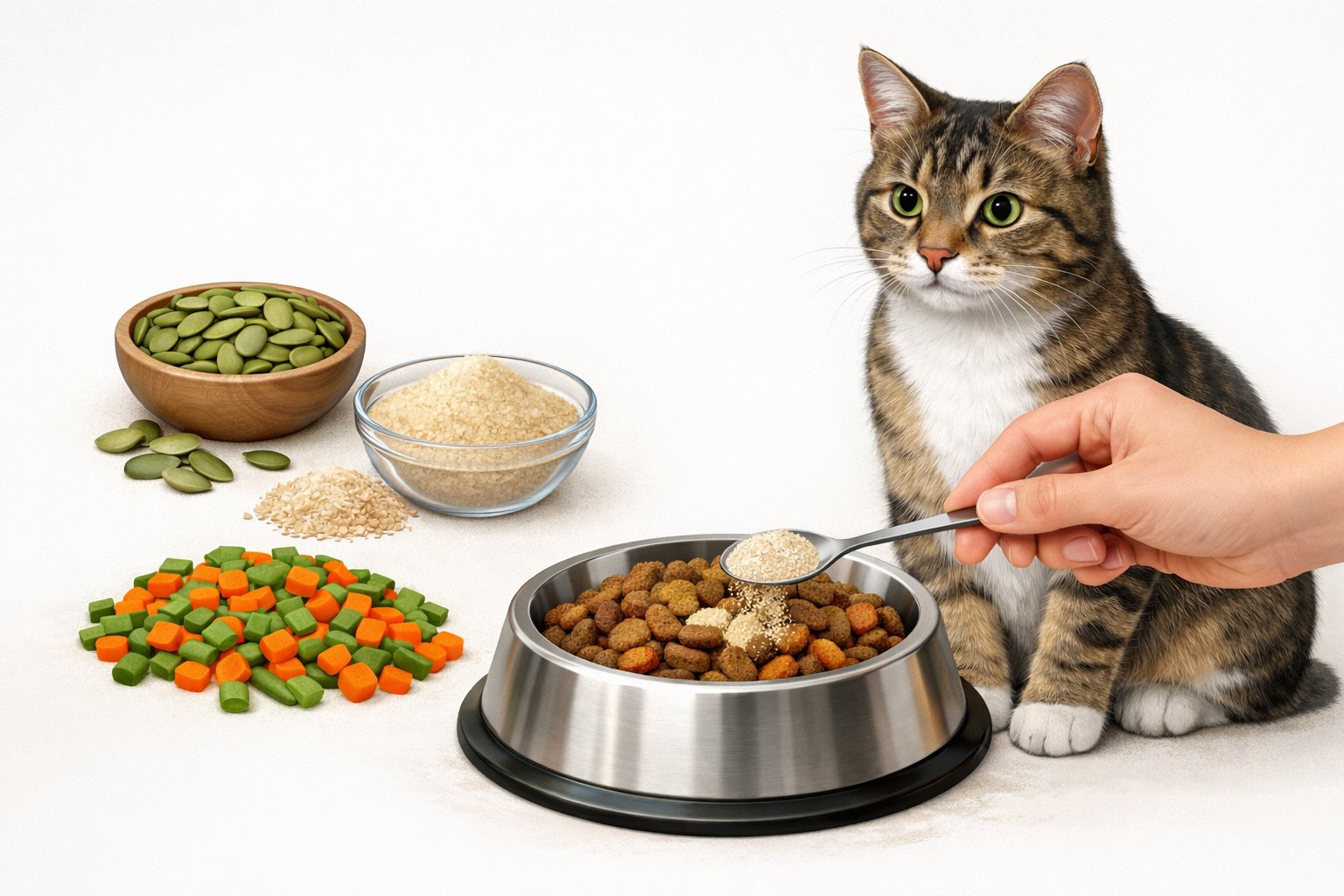
Choosing the right fiber for your cat starts with understanding their needs. Read labels carefully and make gradual changes—otherwise, you’ll risk some digestive drama.
Most cats need between 1.5% to 5% fiber in their diet. The source and type matter just as much as the amount.
How Much Fiber Do Cats Really Need?
Your cat probably needs less fiber than you think. Most healthy adult cats do well with 1.5% to 3% crude fiber in their daily food.
Cats with health issues might need more. If your cat deals with hairballs, constipation, or weight trouble, your vet could recommend bumping fiber to 5% to 10%.
But too much fiber? That backfires. Going overboard can block your cat from absorbing key nutrients like protein and fat.
It can also cause diarrhea, gas, or stomach discomfort. Kittens especially need less fiber than adults since they’re growing and need more protein and fat.
Reading Labels: What Makes Cat Food ‘High Fiber’?
You’ll spot fiber listed as “crude fiber” on pet food labels. Commercial pet foods use various fiber sources to meet different nutritional goals.
A food is considered high fiber when it contains 5% or more crude fiber on a dry matter basis. Regular cat foods usually have 1.5% to 3%.
Check the ingredient list, not just the percentage. Good fiber sources include:
- Beet pulp (moderately fermentable)
- Psyllium husk (forms gel, helps with constipation)
- Cellulose (non-fermentable, adds bulk)
- Pumpkin (natural, palatable)
- Chicory root or inulin (highly fermentable, feeds gut bacteria)
Different fiber types affect your cat’s digestion differently. Soluble fibers like psyllium dissolve in water and form gels.
Insoluble fibers like cellulose add bulk to stool. The label won’t tell you everything—”crude fiber” only measures part of the total fiber, so some foods might have more than the label shows.
Top Sources: Dry, Wet, Treats & Supplements
High fiber wet cat food gives you more control over portions and keeps your cat hydrated. Look for brands with pumpkin, psyllium, or beet pulp.
Wet foods usually have 1% to 3% fiber as-fed, but some formulas go higher. Dry foods naturally contain more fiber, especially those for weight control or hairball management, often hitting 5% to 8% crude fiber.
The kibble itself provides some fiber from grains or veggies. High fiber cat treats are handy for targeted supplementation.
Treats made with pumpkin, sweet potato, or wheat bran add small amounts throughout the day. Just remember, treats shouldn’t make up more than 10% of daily calories.
Fiber supplements for cats come in several forms:
- Psyllium powder (1/4 to 1/2 teaspoon mixed in food)
- Canned pumpkin (1 to 2 teaspoons daily, not pie filling)
- Wheat bran (1/2 teaspoon sprinkled on meals)
- Specialized fiber gels (follow package directions)
Mix supplements into wet food for better acceptance. Most cats will ignore plain fiber sprinkled on dry kibble.
Introducing New Fiber Without Feline Fury
Start slow or you’ll have an angry cat and a messy litter box. Add just 1/4 of the new high-fiber food to your cat’s current food for the first few days.
Watch how your cat reacts. Normal poops should be firm but not hard, and your cat shouldn’t strain.
Loose stool or extra gas means you’re moving too fast. Gradually increase the ratio:
- Days 1-4: 25% new food, 75% old food
- Days 5-7: 50% new food, 50% old food
- Days 8-10: 75% new food, 25% old food
- Day 11+: 100% new food
The whole transition should take 10 to 14 days minimum. Cats with sensitive stomachs might need three weeks.
Always provide fresh water. Fiber absorbs water in the digestive tract, so without enough hydration, you could make constipation worse.
If your cat refuses the new food, try mixing in something tempting like a little tuna water or low-sodium chicken broth. Warming wet food slightly can also help by releasing more aroma.
Stop and call your vet if you see vomiting, severe diarrhea for more than 24 hours, or your cat stops eating entirely.
The Best High-Fiber Cat Food Brands to Make Life Easier
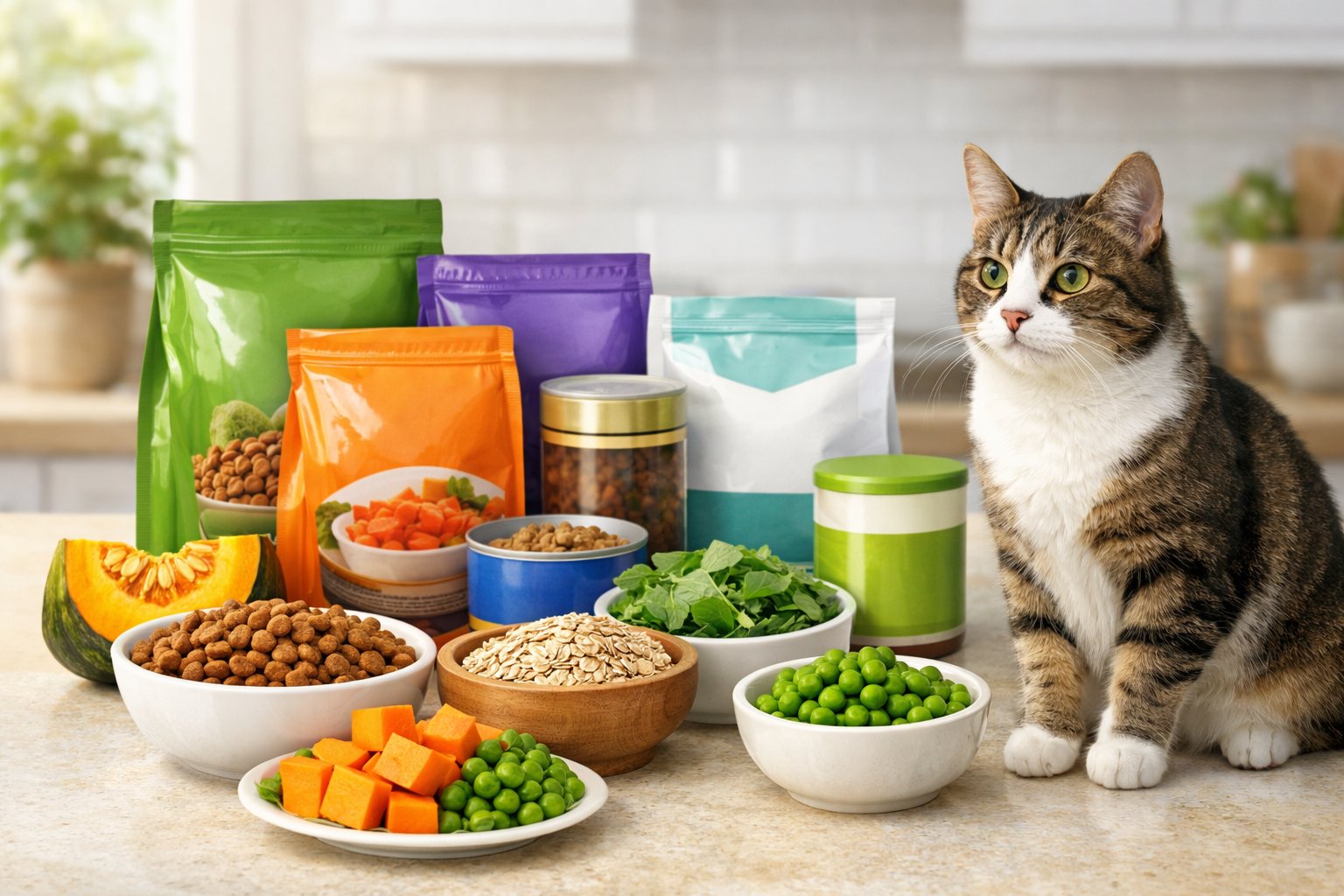
Finding the best high-fiber cat food doesn’t mean settling for bland options your cat will ignore. Top brands now offer vet-approved formulas and everyday choices that actually taste good to picky eaters.
There are also specialized options for cats dealing with digestive issues or weight management.
Vet-Recommended & Prescription Choices
When your vet suggests more fiber, they’re often pointing you toward prescription diets designed for specific health concerns.
Royal Canin Veterinary Diet Adult Gastrointestinal leads the pack for cats with chronic digestive problems. This formula combines highly digestible proteins with balanced fiber levels to help regulate bowel movements.
You’ll need a prescription to buy it, but many cat owners say it’s worth the hassle when nothing else works. Hill’s Prescription Diet w/d is another go-to for managing diabetes or weight issues.
The high fiber content keeps your cat feeling full longer and helps stabilize blood sugar levels. Purina Pro Plan Veterinary Diets EN Gastroenteric offers a fiber-focused approach to managing gastrointestinal disease in cats.
It’s especially helpful during flare-ups of inflammatory bowel disease. These prescription options aren’t cheap, but when your cat struggles with constipation or diarrhea, the targeted nutrition makes a real difference.
Standouts for Everyday (and Picky Eaters!)
Not every cat needs a prescription diet. Sometimes you just want a quality high-fiber option that your cat will actually eat.
Wellness CORE Grain-Free Original packs in protein and includes natural fiber from veggies and flaxseed. The grain-free formula works for cats with sensitivities, and most picky eaters seem to like it.
Research shows that adding fiber sources to cat diets can support digestive health without compromising nutrition. Blue Buffalo Wilderness High Protein delivers fiber through sweet potatoes and peas.
It’s packed with real chicken, so even finicky cats tend to dive right in. Wellness CORE Grain-Free Original Formula also comes in different protein varieties.
If your cat turns her nose up at chicken, try the turkey or salmon versions. Instinct Original Grain-Free Recipe uses chickpeas and tapioca as gentle fiber sources.
The freeze-dried raw coating adds flavor that gets even stubborn cats interested. These everyday options let you boost fiber intake without making mealtime feel like medicine time.
Extra Support for Special Cat Needs
Some cats need more than just basic high-fiber food. They need targeted support for weight loss, hairballs, or senior digestive issues.
For weight management:
- Hill’s Science Diet Perfect Weight uses fiber to help your cat feel satisfied on fewer calories
- Royal Canin Satiety Support keeps hunger at bay with high fiber that promotes fullness
For hairball control:
- Blue Buffalo Hairball Control blends fiber with omega fatty acids to move hair through the digestive tract
- Iams ProActive Health Hairball Care uses beet pulp and plant fiber to reduce hairball formation
For senior cats:
- Hill’s Science Diet Adult 7+ includes gentle fiber that’s easier on aging digestive systems
- Purina ONE +Plus Healthy Metabolism balances fiber with joint-supporting nutrients
Your senior cat’s digestive system slows down with age. Higher fiber helps keep things moving without causing stomach upset.
Watch how your cat responds—some need more fiber than others, and what works for your neighbor’s cat might not work for yours.
Frequently Asked Questions
Fiber in cat food plays a bigger role than most pet parents realize. From helping with hairballs to keeping your cat’s bathroom routine on track, the right amount of fiber can make a real difference in your kitty’s health.
Ever wondered about the best type of fiber for your feline’s finicky digestive system?
Your cat needs two main types of fiber: soluble and insoluble. Each one plays a different role in your furry friend’s gut.
Soluble fiber dissolves in water and forms a gel-like substance. It slows digestion and helps cats with diarrhea by firming up their stool.
Insoluble fiber doesn’t dissolve. It acts more like a broom, sweeping things through your cat’s digestive tract.
Studies on fiber sources in cat food suggest that specialized plant fibers with antioxidants and polyphenols tend to work better than traditional fiber for managing digestive problems.
The best cat foods mix both types. Check the label for beet pulp, psyllium seed husk, pumpkin, or pea fiber.
If your cat could talk, what might they say about too much fiber in their chow?
Too much fiber in cat food can backfire fast. Your cat might deal with bloating, gas, or more frequent trips to the litter box—sometimes with loose stools.
Cats are obligate carnivores, so their bodies run best on mostly meat. If fiber takes up too much space in their diet, they might not get enough protein and fat—the nutrients they actually need.
Watch for warning signs like your cat acting hungrier than usual, losing weight despite eating, or having dull fur. These can all point to too much fiber crowding out the essentials.
Most healthy adult cats do well with about 1.5% to 5% fiber in their food. Anything over 10% is probably too much unless your vet says otherwise.
Got a furball with an upset tummy? Have you considered how fiber aids their digestion?
Fiber works like a traffic controller in your cat’s digestive system. It keeps things moving at just the right speed—not too fast, not too slow.
If your cat has constipation, fiber-supplemented foods can help by adding bulk to their stool and pulling water into their intestines. This makes everything easier to pass.
For diarrhea, the right fiber sources absorb extra water and help form more solid stools. One study found that 100% of cats eating therapeutic food with specialized fiber saw their digestive issues resolve within 28 days.
Fiber also feeds the good bacteria in your cat’s gut. These microbes help break down food, produce vitamins, and support your cat’s immune system.
Curious how fiber might influence Fluffy’s litter box habits?
Your cat’s fiber intake shows up in the litter box. The right amount means firm, well-formed stools that are easy to scoop and easier for your cat to pass.
Too little fiber can cause hard, dry poops that are tough for your cat to eliminate. You might notice them straining or spending extra time in the box.
Too much fiber flips the script—soft, mushy stools or even diarrhea. Your cat might need to go more often, too.
Most cats should have one to two bowel movements per day. If you notice big changes in frequency or consistency, or if your cat seems uncomfortable, it’s time to check their fiber intake.
Let’s face it, nobody likes hairballs — could fiber be the secret to keeping them at bay?
Fiber in cat food can actually help reduce those gross hairballs you keep finding on your carpet. Here’s how it works.
When your cat grooms, they swallow loose fur. Fiber helps move that hair through their digestive system instead of letting it clump up in their stomach.
Research on fiber sources like Miscanthus grass looks promising for hairball management in cats.
Insoluble fiber is your best friend here. It adds bulk to the stool and sweeps hair along through your cat’s intestines before it can clump into a hairball.
If hairballs are a regular issue at your house, look for cat food with cellulose, pea fiber, or ground pecan shells. These help hair pass naturally through your cat’s system.
Looking for a change in your kitty’s diet? Ever wondered how to compare cat foods for fiber content?
Checking fiber content isn’t as straightforward as it sounds. The guaranteed analysis on cat food labels only shows crude fiber, which doesn’t really tell the whole story.
Start by checking the crude fiber percentage in the guaranteed analysis section. Most adult cat foods have between 2% and 5% crude fiber on a dry matter basis.
When comparing grain-containing versus grain-free diets, keep in mind that reported values might not match the actual calculated amounts. If you’re looking at wet and dry foods, you’ll need to do a bit of math since moisture content can really throw things off.
Read the ingredient list, too. The type of fiber matters just as much as the amount.
Quality sources include beet pulp, pumpkin, psyllium, flaxseed, and different vegetable fibers. Some of these might sound trendy, but they’re actually pretty effective.
If your cat has specific health needs, don’t just guess. It’s always a good idea to talk to your vet about how commercial cat foods with different fiber sources might work for your kitty’s situation.


Leave a Reply
You must be logged in to post a comment.